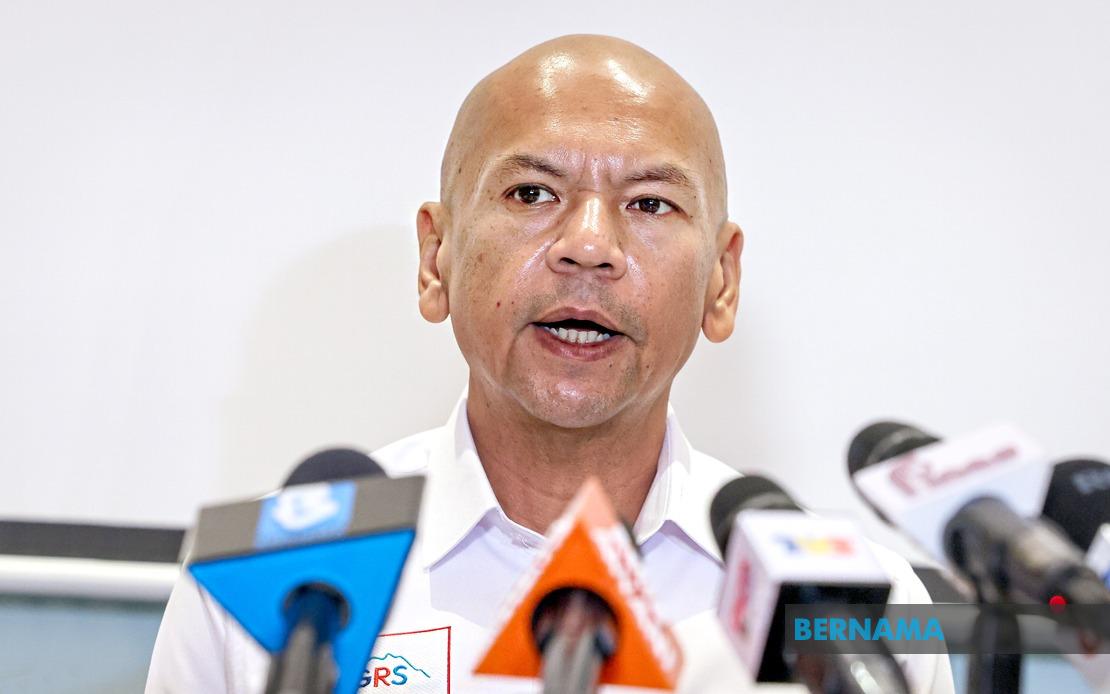
The Malaysian government plans to intensify its efforts to shield consumers from escalating prices of essential commodities by expanding the Rahmah MADANI Sales Programme (PGRM), according to Domestic Trade and Cost of Living Ministry (KPDN) Datuk Armizan Mohd Ali. Speaking in Labuan on July 19, the minister indicated that the frequency of these subsidised sales events could be increased substantially beyond the current nine monthly activations, tailored to the specific needs of communities across different states and districts that face acute affordability pressures.
The Rahmah MADANI Sales Programme represents a direct government intervention in retail markets, offering household essentials at discounts ranging from 10 to 30 per cent below prevailing commercial prices. This mechanism forms a cornerstone of the government's broader strategy to address cost-of-living concerns that have resonated across Malaysian households, particularly among lower and middle-income earners struggling with the cumulative effects of inflation on groceries, cooking oil, rice, and other staple items. By making these goods more accessible through periodic sales events, the initiative attempts to provide temporary but tangible relief without fundamentally restructuring the supply chain or imposing price controls that could distort market dynamics.
Armizan acknowledged that certain regions face disproportionately high prices due to structural economic factors beyond typical market competition. Labuan, situated off the coast of Sabah, exemplifies this challenge, with transportation costs from mainland Sabah significantly inflating the final prices consumers pay for imported essentials. The minister recognised that such geographical disadvantages warrant targeted policy responses, signalling KPDN's willingness to examine tailored mechanisms that could specifically address the transportation cost burden affecting island communities. This localized approach reflects an understanding that a one-size-fits-all national programme cannot adequately serve regions with unique logistical constraints.
Similarly, Limbang in Sarawak presents comparable challenges stemming from its remote location and the costs associated with moving supplies across borders and difficult terrain. The ministry committed to consulting with the Finance Ministry to develop comprehensive, long-term solutions for such areas rather than relying solely on temporary sales promotions. This coordination between trade and finance portfolios suggests recognition that sustainable affordability requires structural interventions potentially involving subsidies, infrastructure investment, or supply chain optimisation, not merely cyclical retail discounts. The willingness to engage in inter-ministerial dialogue indicates a more strategic thinking about regional economic disparities within Malaysia's federal system.
However, Armizan's comments also revealed a tension inherent in the programme's scaling. Small and medium-sized grocery retailers, who form the backbone of retail distribution in Malaysian communities, have raised concerns that frequent PGRM activations could cannibalize their regular sales and compress already thin profit margins. These local retailers cannot compete with government-subsidised pricing and risk losing customers during promotion periods, potentially jeopardizing their operational viability and the employment they provide. The minister's acknowledgment of these concerns demonstrates awareness that consumer relief policies must not inadvertently undermine the livelihoods of small business operators who lack the financial buffers of larger chains.
This competing consideration has led KPDN to adopt a more cautious, strategically planned expansion rather than unlimited proliferation of the programme. The ministry intends to carefully calibrate both the frequency and geographical distribution of PGRM events, seeking equilibrium between expanding consumer access to affordable essentials and protecting retailer viability. This balancing act reflects the complex policy environment facing governments attempting to address affordability without generating unintended economic consequences. The approach suggests that policymakers recognise that sustainable solutions must accommodate multiple stakeholder interests rather than privileging consumers at the expense of small business operators.
The programme's scheduling and location details are now publicly available through the Rahmah MADANI Sales Programme Calendar on the KPDN portal, enabling consumers to plan their purchasing around these events. This transparency mechanism helps consumers benefit from discounts while also allowing retailers to anticipate demand fluctuations and adjust their inventory management accordingly. Public access to scheduling information transforms the programme from an ad-hoc intervention into a more structured system that participants across the supply chain can incorporate into their planning and decision-making processes.
From a Malaysian perspective, the Rahmah MADANI initiative reflects broader regional trends in Southeast Asia where governments increasingly intervene in consumer markets to address living cost pressures. Several ASEAN nations have implemented similar subsidy or promotional programmes targeting essential goods, recognising that cost-of-living concerns have become salient political and social issues. Malaysia's approach, balancing consumer relief against retailer concerns, represents a middle path between direct price controls and purely market-driven solutions, offering lessons for policymakers across the region grappling with inflation's distributional consequences.
The expansion of PGRM also underscores the government's recognition that inflation affects different population segments unevenly, with remote and island communities experiencing particularly acute pressures. This geographic dimension of the affordability crisis demands policy responses tailored to local circumstances rather than uniform national measures. By committing to examine needs-based expansion of the programme and exploring region-specific mechanisms such as targeted transport subsidies, the ministry signals a more nuanced understanding of Malaysia's internal economic geography and its implications for living standards.
Looking forward, the success of expanded PGRM activations will depend on effective coordination between KPDN, state governments, and retail participants, as well as clarity about the programme's long-term sustainability and fiscal cost. While the initiative provides immediate relief, addressing underlying inflation requires complementary policies addressing supply chain efficiency, production costs, and wage dynamics. The government's willingness to increase frequency while consulting stakeholders suggests a learning approach, with future adjustments likely responding to data on programme effectiveness, retailer impacts, and consumer satisfaction, positioning PGRM as an evolving rather than static policy tool.

