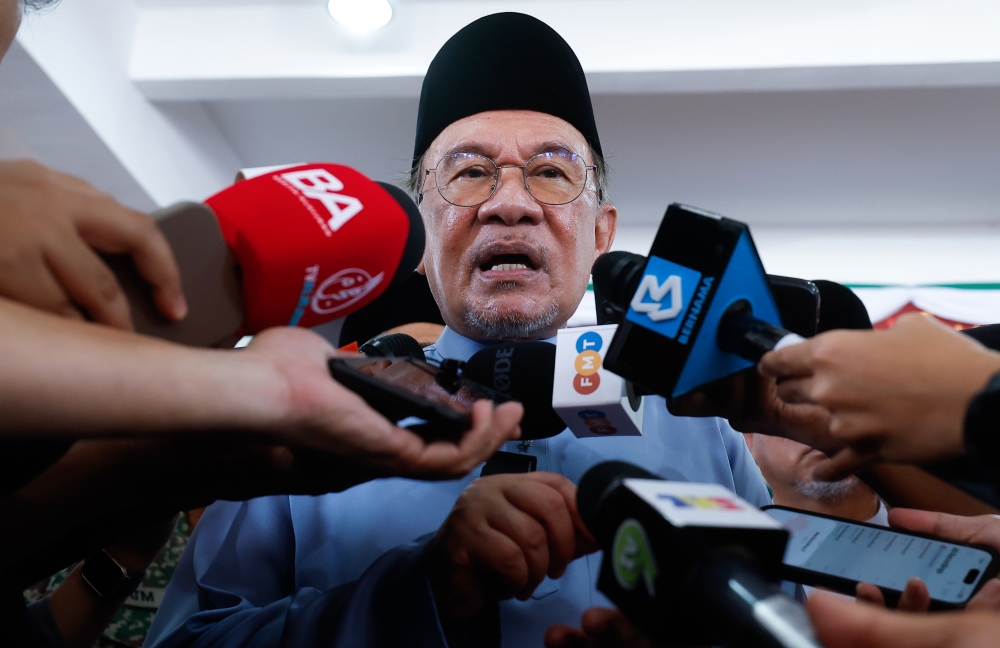
Malaysia intends to maintain its diplomatic and commercial engagement with the United States through continued tariff negotiations, according to Prime Minister Datuk Seri Anwar Ibrahim, who addressed concerns about trade relations during remarks in Port Dickson. The announcement signals the government's determination to sustain dialogue channels with Washington despite mounting global trade tensions, positioning the nation as a pragmatic partner willing to work through contentious economic matters through negotiation rather than confrontation.
Anwar expressed a degree of cautious optimism about Malaysia's position in these discussions, noting that the tariff rate currently applied to Malaysian exports reflects a relatively restrained approach by American authorities. This characterisation carries significance for Malaysian manufacturers and exporters who have faced uncertainty about potential trade barriers, particularly given escalating protectionist measures globally and the increasing complexity of regional supply chains that depend on stable market access.
The prime minister's remarks reflect a broader strategic calculation within the Malaysian government about how to balance national economic interests against the realities of global trade dynamics. Rather than adopting a confrontational stance, the administration appears to be pursuing a path of sustained engagement aimed at achieving outcomes that protect Malaysian interests while maintaining the bilateral relationship. This approach acknowledges that dramatic trade confrontations could disrupt Malaysia's position as a significant exporter to American markets and potentially complicate investment flows from the United States.
For Malaysian businesses dependent on American markets, particularly in sectors such as electronics, semiconductors, palm oil derivatives, and industrial components, the ongoing nature of negotiations offers a degree of predictability. The avoidance of sudden, steep tariff increases provides breathing room for companies to adjust their strategies, seek alternative markets if necessary, and plan long-term investments without fear of sudden policy reversals. The modest rate structure also suggests that Malaysian products maintain competitive pricing advantages compared to what steeper tariffs might impose.
The timing of these negotiations occurs against a backdrop of broader tensions in the global trading system. Southeast Asian nations, including Malaysia, occupy a delicate position as they seek to navigate relationships with multiple major powers whilst protecting their economic interests. Malaysia's emphasis on continued dialogue with Washington reflects recognition that American market access remains crucial for economic growth and that maintaining constructive relations serves long-term national interests.
From a regional perspective, Malaysia's negotiating stance may influence approaches taken by neighbouring countries facing similar trade pressures. As one of the more economically diversified nations in Southeast Asia with strong manufacturing and export sectors, Malaysian outcomes in these discussions could set precedents or offer lessons for other regional economies engaged in their own trade negotiations. The success or failure of Malaysia's efforts to secure favourable terms will likely be studied closely by policy-makers across the region.
The government's apparent satisfaction with current tariff levels does not necessarily mean negotiations are concluded. Rather, Anwar's comments suggest that discussions remain fluid and that Malaysia believes it can achieve even better terms through continued engagement. This interpretation reflects confidence in Malaysian negotiators' ability to advocate effectively for the nation's economic interests whilst demonstrating willingness to accommodate American concerns that may have prompted the tariff measures in the first instance.
Understanding the context of these tariffs requires considering what prompted American action. Trade disputes often stem from disagreements about market access, intellectual property protection, agricultural subsidies, or labour standards. Malaysia's willingness to continue negotiations suggests the government believes these issues can be resolved through dialogue and that the current tariff environment, while not ideal, is sufficiently tolerable to permit sustained discussion rather than escalating confrontation.
For Malaysian consumers and businesses operating in the domestic market, tariff negotiations with the United States have indirect but meaningful implications. Higher tariffs on Malaysian exports to America could reduce earnings for Malaysian companies, potentially constraining investment in research and development, workforce expansion, and capital upgrades. Conversely, successfully maintaining access to American markets at reasonable tariff rates supports continued economic dynamism and employment generation across manufacturing and related sectors.
The prime minister's comments also carry diplomatic weight as they communicate to the American administration that Malaysia approaches the relationship constructively and seeks mutually beneficial outcomes. By publicly expressing relief rather than anger or defiance, Anwar signals that Malaysia recognises American concerns whilst advocating for reasonable accommodation of Malaysian interests. This tonal approach, if reciprocated by American negotiators, can facilitate the kind of cooperative problem-solving that produces workable compromises.
Looking forward, the success of these negotiations will likely depend on Malaysia's ability to identify areas where the nation can address American concerns without fundamentally compromising competitiveness or imposing excessive burdens on local industries. Whether this involves improvements in labour practices, environmental standards, or other regulatory areas remains to be seen, but the government's optimistic framing suggests officials believe solutions are achievable. The continuation of talks, framed in terms of managing rather than eliminating trade friction, reflects the pragmatic reality that perfect free trade is impossible in contemporary global commerce, and that the goal becomes securing the most favourable possible terms within that constrained environment.

