Malaysia is positioning itself as a regional leader in the fight against corruption this week, with the Malaysian Anti-Corruption Commission (MACC) hosting a major gathering of Southeast Asian anti-corruption authorities. The 22nd ASEAN Parties Against Corruption (ASEAN-PAC) Secretariat Meeting will take place in Melaka from July 28 to 30, drawing together senior officials from the region's anti-corruption enforcement agencies and international partners. The summit represents a significant moment for collective action on integrity and governance across ASEAN, occurring during Malaysia's chairmanship of ASEAN-PAC for the 2025 to 2026 term.
ASEAN-PAC is distinguished as a rare institutional mechanism that unites the anti-corruption agencies of all ASEAN member states, functioning as a formal platform for regional cooperation on one of Southeast Asia's most pressing governance challenges. The participating jurisdictions span from Brunei and Singapore to Vietnam and Indonesia, encompassing economies of vastly different sizes and development stages. Notably, Timor-Leste, which joined the network last year, will attend as a full member, underscoring the organisation's expanding reach in the broader Asia-Pacific region. This inclusive membership reflects the shared understanding among Southeast Asian governments that corruption transcends borders and requires coordinated enforcement and preventative strategies.
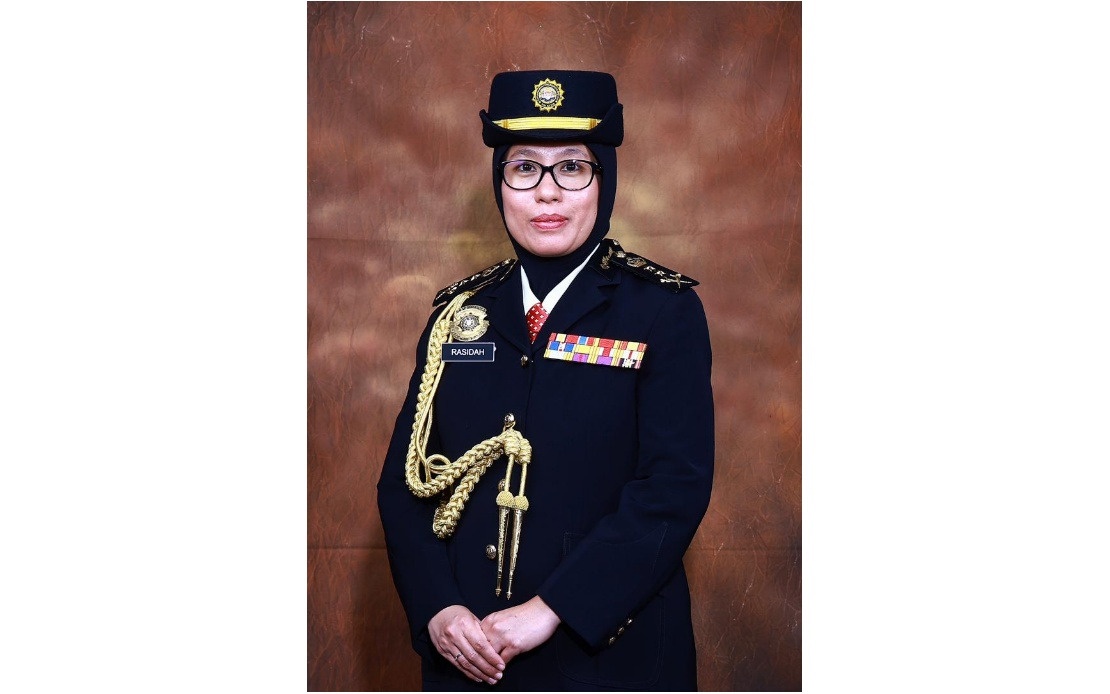
The meeting will be officially opened by MACC Chief Commissioner Datuk Seri Abd Halim Aman, with Datuk Rasidah Abdul Karim, the director of MACC's Policy, Planning and Research Division, guiding proceedings. This is the second major ASEAN-PAC gathering convened by Malaysia during its current chairmanship, following the ASEAN-PAC Principals Meeting held in October of the previous year. The concentration of such high-level meetings within a single chairmanship term signals Malaysia's proactive approach to advancing the anti-corruption agenda regionally, moving beyond passive administration to substantive leadership on institutional development.
Beyond the core membership, the meeting will attract considerable international attention and participation. Representatives from the International Association of Anti-Corruption Authorities (IAACA), the United Nations Office on Drugs and Crime (UNODC), the Organisation for Economic Co-operation and Development (OECD), and the Asian Development Bank (ADB) will be present, as will officials from the Perdana International Anti-Corruption Champion Foundation (PIACCF). This layered participation reflects the global dimension of anti-corruption work and acknowledges that Southeast Asian agencies benefit from technical expertise, comparative learning, and alignment with international standards developed through multilateral forums.
The substantive agenda centres on identifying and responding to corruption risks that are evolving in character across the region. Member agencies plan to examine emerging corruption challenges that threaten economic development and social stability, moving the discussion beyond traditional enforcement toward preventative and systemic approaches. The meeting will provide a structured forum for participants to exchange best practices that have proven effective in their respective contexts, recognising that what works in one jurisdiction may be adapted or transplanted elsewhere. Innovative enforcement methodologies and prevention strategies will also feature prominently, acknowledging that traditional anti-corruption tools often prove insufficient against increasingly sophisticated schemes.
Capacity building and collective institutional strengthening will underpin much of the dialogue. The agenda recognises that anti-corruption agencies across ASEAN operate with varying levels of resources, technical expertise, and legal authority. By creating spaces for knowledge-sharing and collaborative problem-solving, ASEAN-PAC helps smaller or developing agencies access expertise and solutions that might otherwise remain inaccessible. Integrity initiatives, broadly conceived, will also receive attention, reflecting an understanding that addressing corruption requires not only enforcement against violations but also the building of positive institutional cultures and organisational practices that discourage malfeasance.
A dedicated seminar addressing "Integrity in Major Infrastructure Projects" will offer particular value for Malaysian and Southeast Asian readers. Large-scale infrastructure development has become a defining feature of regional economic growth, with significant resources flowing into projects ranging from transportation networks to power generation facilities. These projects present well-documented corruption risks, from bid manipulation to material substitution to cost overruns resulting from misappropriation. The seminar will specifically examine how integrity standards can be embedded in project design and implementation, how corruption risks can be systematically identified and mitigated, and how governance structures can be strengthened to protect project assets and ensure value for money. For Malaysia, where ambitious infrastructure initiatives form part of the economic development strategy, the insights generated will carry immediate practical relevance.
The meeting's agenda also reflects sophisticated thinking about the systemic and structural dimensions of corruption. Rather than treating corruption solely as an enforcement matter—focusing on individual perpetrators and punishments—participants will discuss how transparency, institutional integrity, and good governance frameworks can be strengthened across the region. This approach aligns with evidence suggesting that strong institutional checks, clear rules, competitive processes, and transparency are more effective long-term corruption controls than enforcement alone. By anchoring discussions to international frameworks and benchmarks, the meeting encourages convergence on standards that make cross-border enforcement cooperation more feasible and aligned.
Beyond formal proceedings, the meeting schedule includes cultural and networking activities designed to strengthen professional relationships among regional counterparts. These informal opportunities for interaction serve important functions in relationship-building that can facilitate cooperation on sensitive enforcement matters. Regional anti-corruption officials often navigate politically complex circumstances in their respective countries, and peer relationships built across borders can provide both practical support and moral encouragement. The hospitality programme offers foreign delegates opportunities to experience Malaysian cultural heritage, contributing to the broader relationship-building that underpins effective international cooperation.
Malaysia's hosting of the meeting and its chairmanship of ASEAN-PAC during 2025-2026 represents a significant commitment to the anti-corruption agenda regionally. For Malaysia, this involves substantive costs in terms of secretariat administration, coordination, and the hosting of meetings. It also positions the country as a thought leader on governance issues within ASEAN, enhancing its soft power and international standing. Conversely, the assignment of chairmanship to Malaysia implicitly reflects confidence among fellow ASEAN members in the MACC's professionalism, capacity, and commitment to regional cooperation. This dynamic reinforces Malaysia's institutional credibility and creates incentives for continued investment in anti-corruption infrastructure and expertise.

