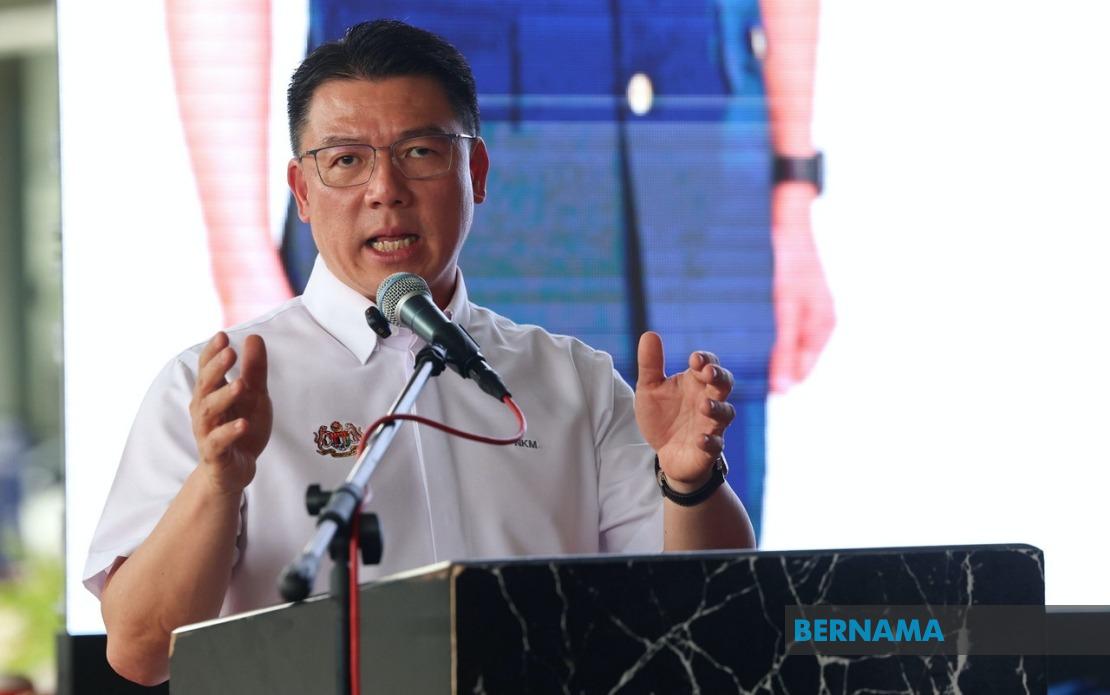
Malaysia is positioning itself to adopt Japan's sophisticated approach to waste management as part of a broader strategy to embed environmental responsibility into the nation's everyday culture and accelerate its shift towards a circular economy model. Housing and Local Government Minister Nga Kor Ming outlined this ambition during a recent visit to the Japanese Ambassador to Malaysia, highlighting Japan's well-established systems and cultural norms around waste separation and resource recovery as particularly instructive for the Malaysian context.
The Japanese model offers several distinctive features that have captured Malaysia's attention. At the heart of Japan's success lies the practice of separating waste at its source—a deceptively simple yet transformative approach where households and businesses sort recyclables before disposal rather than relying on centralised processing facilities to manage mixed waste streams. This decentralised method has proven remarkably effective in reducing landfill burden, recovering valuable materials, and cultivating public consciousness about consumption patterns. For Malaysia, which grapples with mounting waste volumes and landfill capacity constraints, the potential efficiency gains are substantial. Ang noted that what distinguishes Japan's system is not merely its technical sophistication but the manner in which waste consciousness has become embedded in civic culture over decades, transformed from regulatory imposition into reflexive habit.
The strategic partnership between the two nations takes formal shape through a Memorandum of Understanding that secured Cabinet approval last month. This agreement aims to facilitate comprehensive knowledge transfer across multiple dimensions: technical expertise in waste processing infrastructure, technological innovations in sorting and recycling systems, and the institutional approaches that have enabled Japan to achieve consistently high recycling rates. For Malaysia, access to such expertise holds particular value given the nation's stage of development in circular economy infrastructure and the need to upgrade facilities currently constrained by outdated design and operational limitations.
Minister Nga emphasised that Malaysia possesses foundational elements upon which to build this partnership. The National Circular Economy Blueprint provides strategic direction and policy coherence, while the establishment of the National Circular Economy Council creates institutional machinery for coordinated implementation across government agencies and private stakeholders. Additionally, Malaysia has enacted targeted regulatory measures including mandatory recycling facilities in shopping malls as part of their licensing conditions and ongoing restrictions on single-use plastic bags. These interventions reflect a growing recognition that circular economy transition requires multi-layered approaches combining infrastructure investment, regulatory frameworks, and behavioural incentives.
Yet Malaysia's current progress reveals gaps that Japanese experience can help address. While regulatory instruments have driven compliance, the cultural embedding of waste consciousness remains nascent. Nga's observation that cleanliness and proper waste handling must transition from enforcement-driven compliance to internalised values points to a fundamental challenge: how rapidly and effectively can behavioural norms shift across diverse populations with varying environmental awareness levels. Japan's decades-long investment in environmental education from primary school onwards has created generations for whom proper waste separation feels as natural as brushing teeth. Replicating this in Malaysia demands not merely policy replication but sustained commitment to educational integration and social normalisation.
The proposed cooperation extends beyond waste management into broader sustainability frameworks. Japanese Ambassador Noriyuki Shikata extended an invitation for Malaysian delegations to participate in GREEN×EXPO 2027 in Yokohama, positioning this international exhibition as a platform for demonstrating advancements and exploring collaboration opportunities in smart and sustainable urban development. Such forums create space for Malaysian practitioners to observe cutting-edge environmental technologies and network with international counterparts working on similar challenges, while simultaneously offering Malaysian innovations and approaches for international consideration.
From Malaysia's perspective, this partnership carries particular relevance given the nation's rapid urbanisation and growing waste generation pressures. Metropolitan areas including Kuala Lumpur, Selangor, and Penang face increasing landfill pressures and escalating waste management costs, making efficiency improvements urgent rather than merely desirable. By incorporating Japanese methodologies adapted to Malaysian contexts—accounting for climate differences, urban density variations, and local material composition—the nation can potentially achieve measurable improvements in waste diversion rates and resource recovery within measurable timeframes.
The circular economy imperative also aligns with Malaysia's broader sustainability commitments and green economy aspirations. The transition reduces dependence on virgin material extraction, generates economic value through resource recovery, creates employment in recycling and remanufacturing sectors, and positions Malaysia competitively as environmental consciousness increasingly influences consumer and investor decision-making. For Southeast Asia more broadly, Malaysia's embrace of circular economy principles holds demonstration value, potentially informing regional approaches to shared challenges around waste management and environmental sustainability.
Implementation success will ultimately depend on the depth of institutional commitment and resource allocation directed toward the initiative. Technical knowledge transfer can be achieved relatively expeditiously through exchange programmes and technical missions, yet embedding new practices requires sustained investment in public education, infrastructure development, and regulatory refinement. The challenge intensifies when considering that Malaysia's waste composition, urban configurations, and consumer behaviours differ substantially from Japan's, necessitating thoughtful adaptation rather than wholesale replication of Japanese models.
Minister Nga's framing of this cooperation—as combining Japan's technological expertise and proven methodologies with Malaysia's ongoing reform momentum—suggests recognition that the nation is not starting from zero but building upon existing foundational initiatives. This pragmatic approach acknowledges Malaysia's agency and existing progress while creating space to selectively adopt best practices rather than wholesale institutional transplantation. The Cabinet's approval of the MoU indicates governmental backing for the initiative, suggesting that resources and institutional prioritisation may be forthcoming.
Looking forward, the success of this partnership will likely influence how other Southeast Asian nations approach circular economy transitions and waste management modernisation. Malaysia's experience—both achievements and challenges—will generate insights applicable across the region, particularly for nations with comparable development levels and urbanisation trajectories. The partnership thus extends beyond bilateral benefit to hold potential regional significance, positioning Malaysia as a bridge between Japan's advanced environmental practices and Southeast Asia's evolving sustainability landscape.

