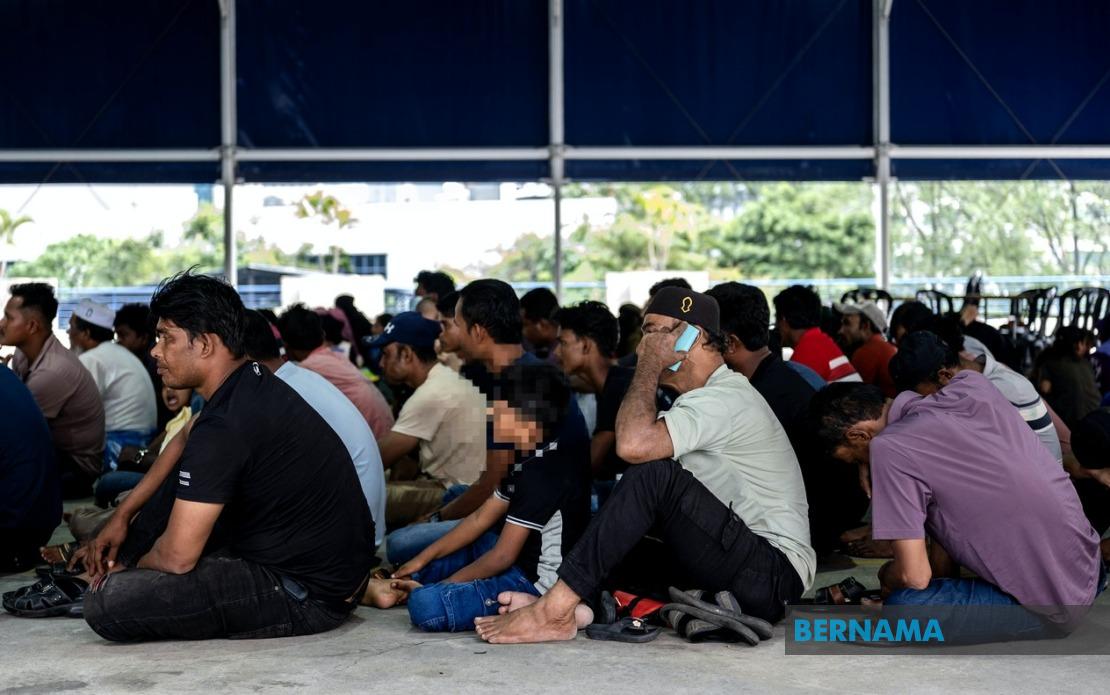
Malaysia is on track to publish its first comprehensive dataset on Myanmar refugees by the end of 2024, according to Home Minister Datuk Seri Saifuddin Nasution Ismail, marking a significant step forward in the government's efforts to systematically manage one of Southeast Asia's most pressing humanitarian challenges. The preliminary figures, gathered through the Refugee Registration Document (DPP) programme, are expected to emerge in the fourth quarter as the Immigration Department completes its data collection phase with relevant stakeholders. Speaking at a press conference in Putrajaya following the Star City FC Tour Convoy flag-off ceremony, Saifuddin Nasution indicated that whatever the final tally, the figures would be shared publicly to inform ongoing policy discussions around refugee management in Malaysia.
The data collection initiative represents a fundamental shift in how Kuala Lumpur approaches the refugee crisis, moving from ad-hoc management towards evidence-based governance. Implemented by the Home Ministry through the Immigration Department, the DPP programme operates under the framework of National Security Council Directive No. 23 (Revision 2023), which sets out Malaysia's national security protocols for managing non-citizen populations. This structured approach reflects growing recognition among policymakers that effective refugee management requires accurate biometric data, verified identity information, and comprehensive records on individuals claiming protected status. By establishing these mechanisms now, Malaysia aims to create a transparent, verifiable system that allows for proper assessment of asylum claims while maintaining national security standards.
The significance of obtaining verified refugee data extends beyond simple enumeration. For a country hosting over 180,000 registered refugees according to UNHCR figures, understanding the exact composition of the refugee population remains essential for resource allocation, social services planning, and integration programmes. The biometric component of the registration process is particularly crucial in a region where fraudulent documentation and identity verification challenges persistently complicate humanitarian operations. By collecting fingerprints, facial recognition data, and other biometric markers alongside traditional identification documents, Malaysia positions itself to distinguish between genuine refugees fleeing persecution and irregular migrants seeking economic opportunity—a distinction that remains contentious in domestic politics and critical for public support of refugee policies.
Saifuddin Nasution emphasised that individuals verified as legitimate refugees will receive priority consideration for repatriation, with responsibility for such operations delegated to the Foreign Ministry (Wisma Putra). This two-tier approach—verification through the Home Ministry followed by diplomatic repatriation efforts—underscores the complexity of refugee management in the Malaysian context. Repatriation is not merely a bureaucratic exercise but requires international coordination, often involving negotiations with countries where returnees face ongoing conflict or persecution. The minister's statement suggests that the government intends to differentiate between those with genuine protection needs and others whose circumstances may not meet international refugee criteria, thereby streamlining resources toward those most in need.
The data collection process itself presents logistical and social challenges that should not be underestimated. Reaching displaced populations, many of whom live in informal settlements or fear government authorities, requires sustained outreach efforts. The Home Ministry's strategy involves publicising the DPP programme, encouraging eligible individuals to voluntarily come forward for registration. This approach depends heavily on trust-building and effective communication in multiple languages, particularly Myanmar's various ethnic languages, to ensure that information reaches target communities. Delays in this crucial awareness phase could extend the timeline for comprehensive data collection, potentially pushing final figures beyond the fourth quarter target.
Crucially, Saifuddin Nasution clarified that the DPP programme is not exclusively focused on Myanmar nationals, but encompasses all individuals in Malaysia classified as refugees according to UNHCR definitions. This broader scope reflects the reality that Southeast Asia hosts displaced populations from multiple origins—including Afghanistan, Pakistan, Syria, and Rohingya from Myanmar. By creating a unified registration framework applicable to all refugee groups, Malaysia demonstrates an attempt to standardise its approach and avoid the perception of targeting specific nationalities. However, Myanmar refugees remain the largest single group, and their numbers and characteristics will inevitably dominate the eventual dataset and policy discussions.
The fourth-quarter timeline is significant for several reasons. It allows the Immigration Department several months to consolidate data collection operations, conduct quality assurance checks, and prepare analysis for public release. It also positions Malaysia to incorporate refugee data into year-end policy reviews and potentially influence 2025 government budgeting for refugee services. For international organisations like UNHCR and regional bodies concerned with humanitarian standards, the publication of verified refugee statistics from Malaysia would provide crucial benchmarking data for Southeast Asian refugee management practices. Transparency in these figures could enhance Malaysia's standing within the international humanitarian community, while accurate data enables more targeted development assistance and protection programmes.
The economic and social implications of the refugee population remain contested within Malaysian society. While civil society organisations emphasise refugees' vulnerability and Malaysia's humanitarian obligations, segments of the public and political opposition voice concerns about resource competition, housing pressure, and security risks. The release of verified refugee data offers an opportunity to ground these debates in factual information rather than speculation. Knowing precise numbers, demographic profiles, and geographic distribution allows policymakers and citizens to assess actual impacts rather than rely on inflated or minimised estimates. This evidence-based approach could potentially facilitate more constructive national dialogue around Malaysia's refugee responsibilities and the scale of resources required.
From a regional perspective, Malaysia's formalised refugee registration system carries implications for ASEAN and Southeast Asia's broader approach to displacement crises. The region has historically resisted comprehensive refugee frameworks, preferring bilateral arrangements and transit-based solutions. Malaysia's step toward systematic data collection and verification procedures could set a regional precedent, potentially influencing how neighbouring countries like Thailand and Indonesia approach similar populations. Conversely, if the DPP programme proves burdensome or fails to deliver promised benefits, it might discourage other regional actors from adopting comparable systems. The success or challenges encountered during Malaysia's data collection phase will thus carry significance beyond national borders.
Looking ahead, the fourth-quarter data release will likely generate intense scrutiny from multiple quarters. Civil society organisations focused on refugee protection will examine whether the figures align with their own estimates and whether the registration process adequately captures vulnerable populations. Government agencies involved in public health, education, and social welfare will assess resource implications based on the official numbers. Opposition political figures may contest the figures as understated or overstated depending on their policy positions. International observers will compare Malaysia's refugee population to global and regional trends. Given these competing interests, the Home Ministry's commitment to transparency in releasing whatever the preliminary figures reveal—without apparent pre-set targets or agenda—represents an important baseline for credible governance. Whether the data collection ultimately strengthens refugee protection or becomes a tool for more restrictive policies will depend on how the government implements findings and responds to vulnerable populations identified through the registration process.

