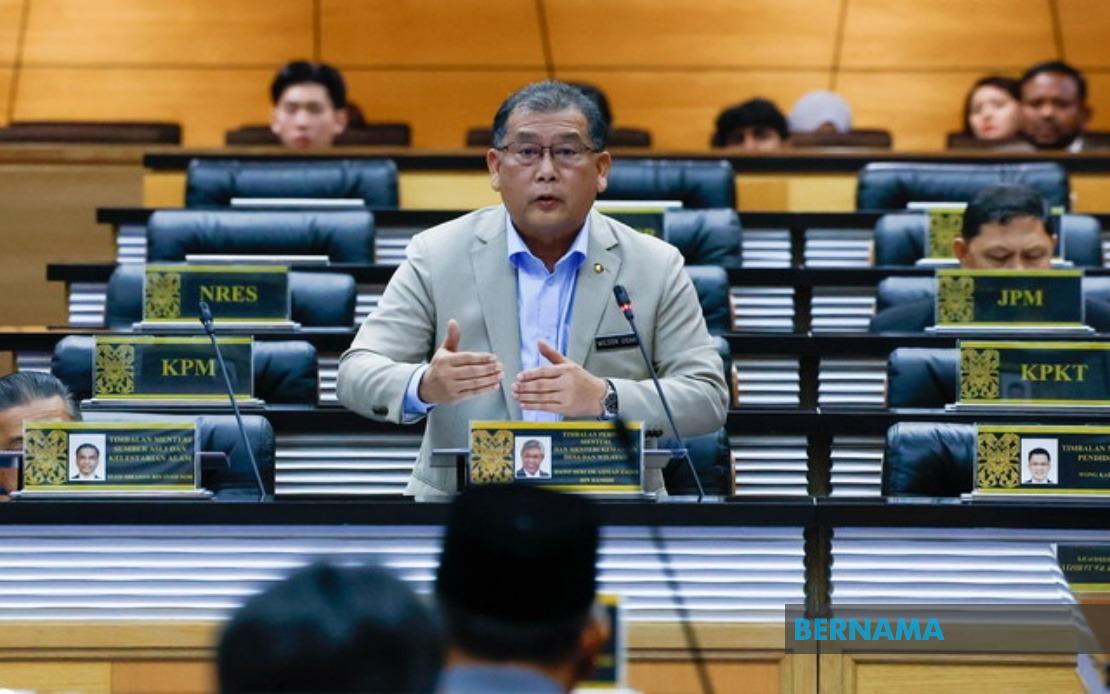
Malaysia's disaster management infrastructure is undergoing a significant transformation with the staged deployment of 15 permanent disaster relief centres (PPKB) across nine states beginning this year. The initiative represents a strategic pivot in how the nation approaches emergency preparedness and victim assistance during natural calamities, particularly the devastating monsoon floods that regularly affect multiple regions. Deputy Digital Minister Datuk Wilson Ugak Kumbong outlined the implementation timeline during parliamentary proceedings, revealing that two facilities in Johor and Pahang have already been completed and operational, with nine additional centres currently under construction and four more in advanced planning phases.
The introduction of permanent relief centres addresses a longstanding logistical challenge in Malaysia's emergency response framework. Previously, authorities relied heavily on school buildings to serve as temporary relief shelters when floods or other disasters displaced residents. This practice, while pragmatic during emergencies, created substantial disruptions to the education system and forced administrative complications for both schools and educational planners. The dual-function design of the new PPKBs resolves this tension by creating facilities that serve as community spaces during peacetime while remaining immediately available for disaster operations. This approach reflects international best practices in disaster management infrastructure, ensuring that public investments generate continuous benefits rather than remaining dormant for months or years between emergencies.
Each permanent relief centre has been engineered with comprehensive facilities tailored to accommodate displaced populations efficiently and with dignity. The specifications include a large open hall capable of housing up to 500 affected individuals, dedicated dining facilities with adjacent kitchen blocks for food preparation and distribution, medical treatment areas staffed with healthcare personnel, wheelchair-accessible sanitation facilities for persons with disabilities, prayer rooms for observant Muslims, and designated zones designed to minimise psychological stress among vulnerable populations including children and elderly residents. This intentional design reflects recognition that emergency sheltering extends beyond merely providing roofs and beds; it encompasses maintaining human dignity and addressing the emotional and physical wellbeing of traumatised families.
The site selection process for these centres demonstrates a data-driven approach to disaster preparedness. Rather than adopting a uniform distribution model, the Ministry of Rural and Regional Development and the National Disaster Management Agency (NADMA) have prioritised locations with established patterns of severe flooding and regular disaster occurrence. This targeted strategy ensures resources reach areas with the greatest demonstrated need. However, any proposal for construction must navigate a multi-tiered approval process beginning with state-level disaster management committees, which assess local conditions and priorities before submissions reach NADMA for final evaluation and clearance. This layered governance structure balances centralised standards with state-level contextual knowledge.
The financial commitment to this infrastructure programme reflects government recognition of disaster management's strategic importance. NADMA allocated RM4.44 million in April specifically to enhance facilities at 25 existing temporary relief shelters operated under Ministry of Education premises. Beyond capital investments, the agency has established maintenance and minor repair funding of up to RM50,000 for activated shelters following the Northeast Monsoon season, ensuring these critical facilities remain in operational condition throughout the high-risk periods. Such sustained funding demonstrates long-term commitment rather than ad hoc crisis response.
Penal and other states currently without designated permanent centres are already in the development pipeline for future phases. The extended rollout reflects realistic assessments of construction timelines, budgetary constraints, and the need to ensure each centre meets established quality standards before opening. This measured expansion avoids the premature launches or incomplete facilities that have sometimes plagued emergency infrastructure projects. The geographic sequencing also allows NADMA to learn from initial operations and refine protocols based on practical experience rather than theoretical planning alone.
The initiative emerges from a 2023 policy decision recognising fundamental flaws in relying on educational institutions as emergency shelter systems. Schools occupy strategic community positions and possess large halls suitable for temporary accommodation, but converting them into relief centres invariably disrupts academic calendars, complicates administrative operations, and creates complex logistics for simultaneously managing educational activities and emergency response. The permanent centres eliminate these contradictions, allowing schools to remain focused on their primary educational mission while disaster management infrastructure operates independently.
For Malaysian regions prone to annual or biennial flooding—including the flood-prone states of Johor, Pahang, Kelantan, and Terengganu—the availability of purposefully designed shelters should substantially improve emergency response efficiency and resident wellbeing during crises. Current flooding events often see families sheltering in crowded school gymnasiums for extended periods, sometimes under conditions lacking adequate sanitation, privacy, or medical support. Purpose-built facilities with integrated services can dramatically improve these experiences while simultaneously reducing administrative burden on educational systems.
Datak Wilson Ugak emphasised that effective disaster management cannot rest solely on government agencies, characterising it instead as a shared responsibility requiring integration across federal and state governments, private sector entities, and community organisations. This "whole-of-government and whole-of-society" framework acknowledges that sustainable resilience emerges from coordinated effort rather than siloed institutional responses. Private companies can contribute through supply chain partnerships, corporate volunteering during emergencies, and corporate social responsibility initiatives supporting centre operations and community preparedness programmes. Community groups and neighbourhood associations play crucial roles in early warning systems, evacuation coordination, and psychosocial support for displaced residents.
The permanent centres programme also reflects broader Southeast Asian trends toward institutionalising disaster response infrastructure as climate change intensifies extreme weather patterns across the region. Malaysia's approach, prioritising affected communities while building sustainable multi-use facilities, offers a replicable model for regional neighbours facing similar challenges. The integration of accessibility standards for persons with disabilities sets progressive standards often overlooked in emergency planning, ensuring equity in disaster response.
Implementation of this phased infrastructure programme will require sustained coordination between NADMA, state governments, the Ministry of Education, local authorities, and community stakeholders. Success depends not merely on completing construction but establishing effective operational protocols, training response personnel, and ensuring regular maintenance schedules prevent facility deterioration during non-emergency periods. Community awareness campaigns must inform residents about centre locations and access procedures, particularly in flood-prone districts where rapid evacuation decisions occur with minimal warning.

