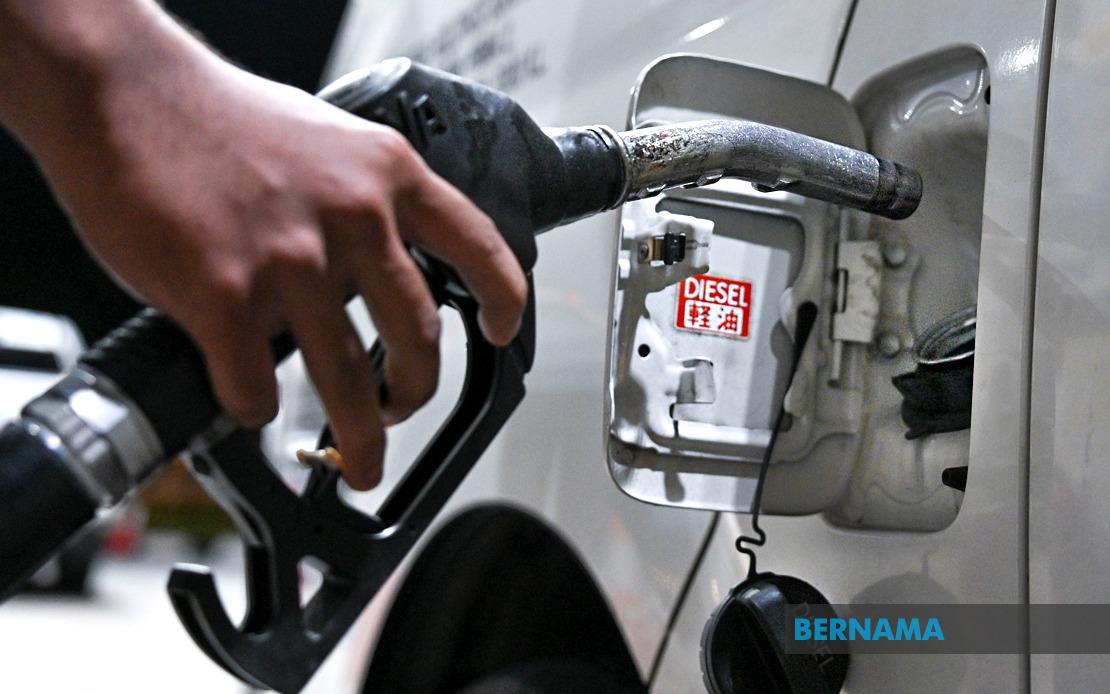
Malaysia's government is set to launch a transformative diesel subsidy reform programme next month that promises substantial fiscal savings while maintaining affordable fuel access for eligible citizens. The BUDI MADANI Diesel initiative, rolling out from July 1st at a fixed price of RM2.10 per litre, is projected to recover up to RM2 billion in annual government spending by addressing widespread fuel subsidy misuse. Second Finance Minister Datuk Seri Amir Hamzah Azizan unveiled the scheme at a press conference in Putrajaya, framing it as a critical step toward sustainable fiscal management without compromising the purchasing power of ordinary Malaysians.
The fiscal burden of fuel subsidies has become increasingly untenable, with monthly costs ballooning dramatically in recent months. While routine petrol and diesel support once averaged approximately RM800 million monthly, expenditure surged to nearly RM4.7 billion in March and RM4.9 billion in April as global crude oil prices climbed. This trajectory would have locked the government into unsustainable spending commitments, crowding out resources for healthcare, education, and infrastructure investments. The new programme directly addresses this crisis by establishing a unified, transparent mechanism for distributing subsidies exclusively to households genuinely qualifying for support, while market forces determine prices for commercial and industrial users.
Evidence of systematic leakage within the current subsidy framework has become impossible to ignore. Diesel consumption patterns have exhibited alarming abnormalities, surging from a historical baseline of approximately 624 million litres monthly to nearly 1.2 billion litres in recent periods. This doubling of consumption in a matter of months cannot be explained by legitimate domestic demand alone, instead pointing to deliberate exploitation of subsidy channels. Parties with no legitimate entitlement to subsidised fuel have been obtaining it from petrol stations through false claims or identity manipulation, simultaneously draining the treasury and creating artificial scarcity that threatens supply stability for genuine consumers and essential sectors like agriculture and transport.
The problem extends beyond the peninsula into Sabah and Sarawak, where diesel consumption patterns reveal even more egregious distortions. Current annual usage in these states approaches two billion litres, yet credible estimates of actual regional demand suggest requirements closer to one billion litres annually. This billion-litre discrepancy represents a combination of smuggling to neighbouring countries and domestic black-market trading. The leakage effectively constitutes a hidden transfer from Malaysian taxpayers to neighbouring economies and criminal networks, making the east Malaysian situation particularly alarming from both economic and sovereignty perspectives.
The government's response centres on technological and administrative innovation rather than arbitrary price adjustments. The BUDI MADANI Diesel mechanism employs MyKad verification at petrol stations, mirroring the successful BUDI RON95 petrol programme already operating nationwide. This approach leverages Malaysia's established digital identity infrastructure to create a real-time gating system that eliminates most avenues for subsidy fraud. Approximately 700,000 private diesel vehicle owners will gain access to subsidised fuel priced at RM2.10 per litre through this system, representing a carefully calibrated expansion of support to transportation-dependent households while excluding commercial enterprises and large-scale operators who should absorb market prices.
Existing beneficiaries of the BUDI Diesel Individual scheme currently receive RM400 in monthly cash assistance, a cumbersome and inefficient mechanism prone to misuse. The new model replaces cash transfers with direct fuel subsidies applied at the point of purchase, reducing administrative overhead and eliminating the opportunity for recipients to redirect support toward non-fuel expenses or resale. Eligible individuals will transition automatically to the revised system without submitting additional paperwork, ensuring continuity while fundamentally restructuring how support flows through the supply chain. This transition from cash to in-kind subsidies represents a sophisticated policy design that maintains living standards whilst dramatically reducing leakage opportunities.
The reform carries particular significance for Malaysia's regional competitiveness and energy security. Diesel price suppression has historically incentivised smuggling to neighbouring jurisdictions where fuel commands premium prices. By establishing a transparent, auditable subsidy system tied to individual identity rather than blanket price controls, the government removes the economic incentive that criminal networks exploit. This approach protects legitimate domestic consumption while starving smuggling operations of their primary profit source. The neighbouring countries themselves benefit from this arrangement, as it reduces the destabilising influx of subsidised Malaysian fuel that distorts their own energy markets.
Implementation timelines reflect government determination to execute the transition smoothly. Early access commences June 27th for eligible private diesel vehicle owners in Peninsular Malaysia, providing a week-long testing window before nationwide implementation on July 1st. This staggered rollout allows technical staff to identify system glitches, train petrol station attendants thoroughly, and address public confusion before the programme reaches full operational capacity. The compressed timeline suggests confidence in underlying technology and logistics, yet also acknowledges that every week of delay perpetuates billion-ringgit monthly leakages.
The broader policy context reflects international best practice in subsidy reform. Numerous developing economies have attempted fuel price liberalisation only to face political backlash and incomplete implementation. Malaysia's approach avoids this trap by coupling subsidy rationalisation with targeted support for vulnerable populations, maintaining political sustainability whilst achieving fiscal objectives. The 700,000-vehicle cap suggests the government is prioritising support for essential commercial transport—taxis, buses, delivery vehicles—rather than personal vehicle owners, though official statements remain ambiguous on targeting criteria.
For Malaysian households and businesses, the initiative signals a fundamental shift in how government distributes scarce resources. Drivers of eligible private vehicles gain predictable fuel costs locked at RM2.10 per litre, providing budgeting certainty absent under previous volatile subsidy arrangements. Commercial operators and industrial users transition to market-based pricing, internalising fuel costs more directly and encouraging efficiency improvements throughout the economy. This differentiated pricing framework should gradually rebalance consumption patterns toward sustainable levels, reducing pressure on domestic petroleum inventories and the balance-of-payments position.
The RM2 billion in projected annual savings represent not merely accountancy adjustments but resources redirectable toward pressing development priorities. Schools in rural areas, healthcare infrastructure in underserved communities, and transport connectivity linking peripheral regions to economic centres could absorb these funds far more productively than fuel subsidy administration. The reform thus embodies a macro-economic rebalancing that extends beyond the energy sector into fundamental questions of national resource allocation and intergenerational equity.
Success ultimately depends on implementation rigour and sustained political commitment. Previous subsidy reform efforts across the region have foundered when authorities proved unwilling to enforce eligibility criteria strictly or when technical systems proved inadequate to monitoring responsibilities. Malaysia's government appears cognisant of these risks, investing in robust verification mechanisms and establishing clear accountability frameworks. Nevertheless, six months of operational experience will determine whether BUDI MADANI Diesel delivers the promised savings and programme integrity or becomes another well-intentioned initiative undermined by implementation challenges and political pressure.