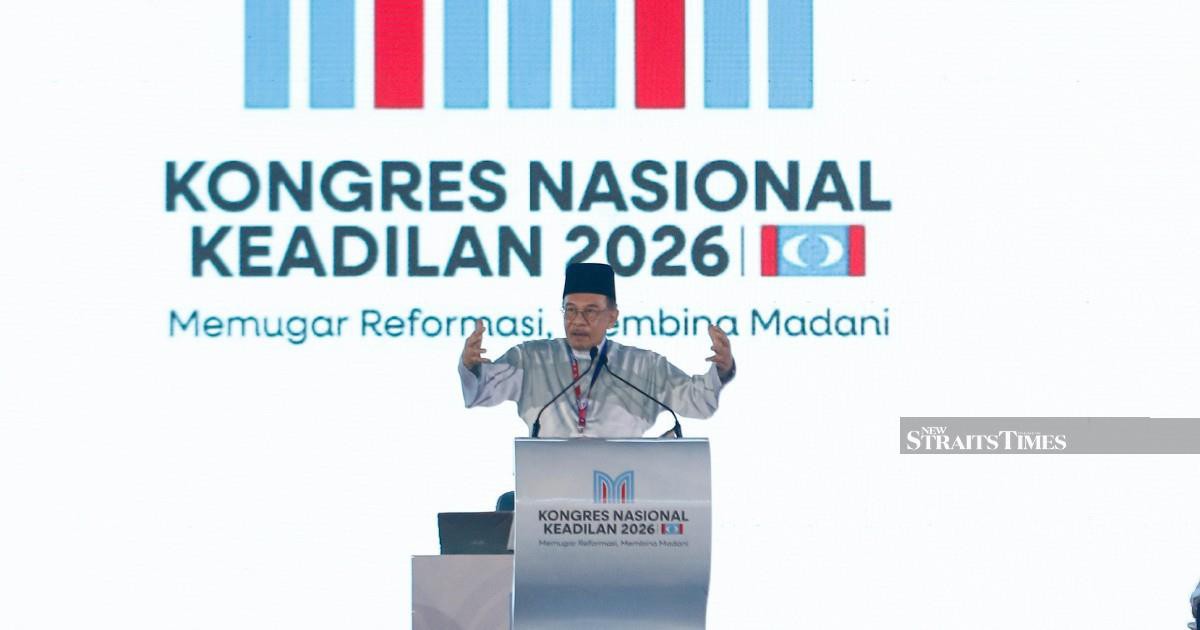
Prime Minister Datuk Seri Anwar Ibrahim announced at Ayer Keroh that his administration intends to repeal the Universities and University Colleges Act 1971 (Act 30), a legal framework that has governed Malaysia's higher education landscape for over fifty years. The declaration signals a fundamental restructuring of how the country regulates and manages its university system, potentially reshaping institutional autonomy, academic governance, and student protections across the sector.
The Universities and University Colleges Act 1971 has served as the cornerstone legislation controlling public universities and university colleges throughout Malaysia since its enactment during the early years of the nation's independence. This statute establishes the legal authority under which institutions such as Universiti Malaya, Universiti Kebangsaan Malaysia, Universiti Teknologi Malaysia, and other public universities operate, defining their administrative structures, powers, and responsibilities to the state.
The proposed abolition carries profound implications for Malaysia's approximately twenty public universities and numerous university colleges that collectively educate hundreds of thousands of students annually. These institutions have long operated within the confines of regulations that grant significant powers to the Minister of Education, including authority over institutional governance, appointment of leadership, and determination of academic policies. The removal of this legislative framework would necessitate alternative regulatory mechanisms to ensure accountability, quality standards, and public interest protection.
Universities globally have increasingly advocated for institutional autonomy as a prerequisite for academic excellence and research innovation. Malaysia's higher education sector has faced criticism from academics and education analysts regarding restrictions on institutional independence, with concerns that excessive ministerial oversight may inhibit creativity and competitiveness on the international stage. The abolition of the 1971 Act could potentially address these concerns by permitting greater self-governance, though the government would need to clarify how it intends to maintain quality assurance and financial accountability without this legislative structure.
The timing of this announcement reflects broader policy directions under Anwar Ibrahim's administration, which has signalled commitment to modernising Malaysia's governance frameworks across multiple sectors. Education reform has featured prominently in policy discussions, with particular emphasis on enhancing the nation's global standing in tertiary education rankings and improving research output to support economic diversification and knowledge-based industries.
However, the transition from a statutory framework established over half a century ago to an alternative governance model presents substantial technical and administrative challenges. The government would require careful planning to draft replacement legislation or regulatory mechanisms that preserve essential protections for students, ensure equitable resource distribution, maintain academic integrity standards, and protect institutional credibility without simply transferring all previous ministerial powers to alternative bodies.
Stakeholder consultation will prove essential as the repeal process advances. Student bodies, academic staff unions, university administrators, and quality assurance bodies must participate in designing successor arrangements. International accreditation bodies also monitor governance standards, and Malaysian universities risk losing recognition if reform creates regulatory uncertainty or undermines academic safeguards. Regional competitors such as Thailand and Indonesia have similarly grappled with balancing institutional autonomy against public accountability in higher education governance.
The financial implications warrant consideration as well. Public universities depend substantially on government funding, and the current Act establishes mechanisms through which budgetary allocations occur. Any replacement framework must address how funding decisions will be made, ensuring institutions receive adequate resources to fulfill their missions while preventing political interference with academic appointments or research directions that might carry electoral consequences.
For Malaysian students currently enrolled in public universities and those preparing to enter the system, the announcement raises questions about continuity during any transition period. Parents and students need assurance that degree recognition will remain valid, that quality standards will not deteriorate, and that affordable access—a traditional strength of Malaysia's public university system—will be preserved. The government should clarify that educational standards will not be compromised merely because the governing legislation changes.
The international dimension cannot be overlooked. Malaysian universities seek to attract both foreign students and international faculty, competing for talent against regional institutions and globally recognised universities. A reformed governance structure could enhance competitiveness if it permits institutions greater flexibility in hiring, curriculum development, and strategic partnerships. Conversely, prolonged uncertainty during a lengthy reform process might disadvantage Malaysian institutions if prospective students and scholars choose alternatives perceived as having more stable governance.
Implementing this reform will require careful sequencing and comprehensive legislative drafting. The government must determine whether the 1971 Act will be simply repealed without replacement, replaced by new legislation establishing different governance models, or supplemented by alternative regulatory structures administered through the Ministry of Education or other bodies. Each approach carries distinct consequences for institutional autonomy, accountability, and quality assurance.
Education analysts suggest this reform signals the government's willingness to undertake controversial structural changes to strengthen Malaysia's higher education competitiveness. Success will ultimately depend on designing replacement arrangements that genuinely enhance academic freedom and institutional capacity whilst maintaining appropriate public oversight and financial accountability. The coming months will reveal how thoroughly the government has engaged with stakeholders and considered the practical implications of dismantling a framework that has operated for longer than most Malaysian universities have existed.

