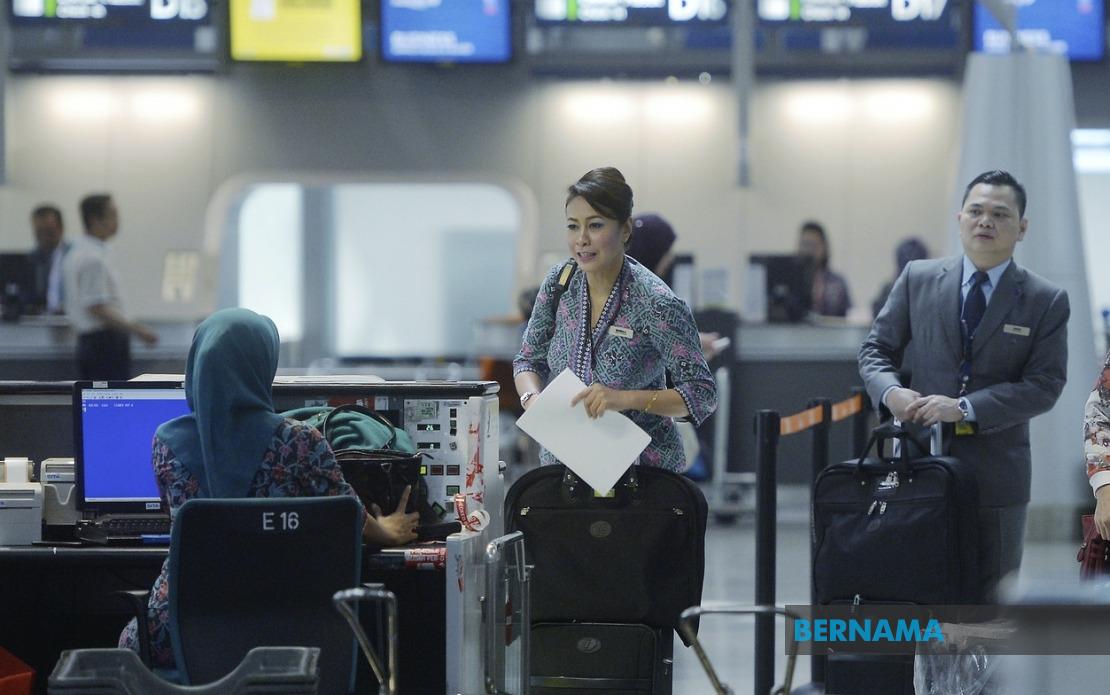
Malaysia's Border Control and Protection Agency will roll out enhanced security screening measures for pilots and flight crew across all airports in the country, following a high-profile drug smuggling incident involving an aviation professional. The announcement came from AKPS director-general Datuk Seri Mohd Shuhaily Mohd Zain during a press briefing in Sepang, signalling the government's commitment to tightening aviation security protocols in response to the breach.
The decision emerged from a coordinated meeting held at the Transport Ministry headquarters, chaired by secretary-general Datuk Seri Jana Santhiran Muniayan. The gathering brought together senior representatives from AKPS, the Royal Malaysia Police, and Malaysia Aviation Group to collectively assess the gaps in existing airport security frameworks and formulate stronger safeguards. The involvement of all three agencies underscores the seriousness with which Malaysian authorities are treating the incident and the broader implications for aviation security across the region.
The catalyst for this security review stemmed from an incident that came to light on July 31, when Indonesian authorities apprehended a 39-year-old Malaysian pilot at Soekarno-Hatta International Airport in Jakarta. The pilot had arrived on July 29 after operating an international passenger flight from Kuala Lumpur. According to Indonesia's Director-General of Customs and Excise Djaka Budi Utama, the suspect was arrested on suspicion of attempting to smuggle 25 kilogrammes of ecstasy, valued at approximately Rp60 billion, into Indonesia. The contraband was discovered concealed in the suspect's checked luggage.
What makes this case particularly concerning for Malaysian aviation authorities is that the pilot successfully cleared all security screening procedures at Kuala Lumpur International Airport before his departure on July 28. Mohd Shuhaily acknowledged that during routine scanning procedures, neither the luggage nor its contents triggered any alert signals that would have warranted further investigation. The suspect passed the standard security protocols that are currently in place, raising troubling questions about the adequacy of existing detection systems and screening methodologies.
The passage of a significant drug shipment through Malaysia's primary aviation hub without detection has prompted a comprehensive review of scanning equipment and screening protocols. Mohd Shuhaily indicated that authorities are awaiting detailed feedback from the Royal Malaysia Police to understand how the contraband evaded detection systems. This collaborative investigation will inform the design and implementation of upgraded procedures. The apparent sophistication of the concealment method suggests that screening enhancements may need to extend beyond basic X-ray scanning to include more advanced detection technologies.
Representatives from Malaysia Aviation Group, the country's primary airline holding company, participated actively in the security review meeting and have signalled their full commitment to implementing stricter measures. The involvement of the national carrier indicates that the aviation industry recognises the reputational and operational risks posed by such security breaches. Industry cooperation is essential, as airlines must work hand-in-hand with government security agencies to establish and maintain consistent screening standards across all flights and personnel.
The enhanced screening procedures will encompass all pilots and crew members, as well as airport staff with access to restricted areas and aircraft. This broader approach reflects an understanding that security vulnerabilities can arise from multiple points within the aviation system. Comprehensive screening represents a shift towards more rigorous vetting processes that may include expanded background checks, more frequent random inspections, and advanced biometric or behavioural assessment tools. The Transport Ministry's leadership in coordinating this response demonstrates government recognition that aviation security is a national priority requiring inter-agency coordination.
For Malaysia, this incident carries particular significance given the country's position as a major aviation hub in Southeast Asia. The discovery that prohibited substances could transit through Kuala Lumpur International Airport, one of the region's busiest international gateways, raises concerns about potential vulnerabilities that could be exploited by trafficking networks. The case serves as a stark reminder that even professional aviation personnel with seemingly unblemished records can become vectors for drug smuggling operations. This vulnerability is especially acute given the financial incentives involved in international narcotics trafficking and the access that aviation professionals enjoy to international routes and cargo systems.
The timing of this security review also reflects broader regional concerns about drug trafficking through Southeast Asian airports and maritime routes. Malaysia, positioned along major smuggling corridors connecting source countries in South and Southwest Asia with destination markets in East Asia, faces particular exposure to trafficking attempts. Enhanced screening at Malaysian airports can help disrupt supply chains and signal to criminal networks that risks have increased, potentially deterring future attempts. The government's swift response also sends a message to neighbouring countries about Malaysia's commitment to controlling narcotics flows.
Beyond the immediate security implications, this incident underscores the complex challenge of balancing aviation efficiency with security rigour. Enhanced screening procedures, while necessary, could introduce delays in flight operations and increase operational costs for airlines. The implementation timeline and specific protocols will require careful coordination between government agencies and commercial aviation operators to minimise disruption while maximising security effectiveness. Training programmes for security personnel will also need updating to ensure staff can operate new detection systems and identify suspicious patterns among aviation professionals.
The investigation into how the Malaysian pilot became involved in the smuggling attempt remains ongoing, with Malaysian authorities working to establish whether this was an isolated incident or part of a broader criminal network. Understanding the recruitment and operational methods used by trafficking organisations to involve aviation professionals is crucial for designing preventive measures. Intelligence sharing between Malaysian and Indonesian authorities will be essential to map any larger networks that may be attempting to exploit vulnerabilities in aviation security across the region.
Looking ahead, the enhanced screening procedures represent the first phase in what may become a more comprehensive overhaul of aviation security practices. Future measures could include closer vetting of pilots and crew during recruitment, periodic security clearance reviews, and coordination with international aviation authorities to share intelligence about suspicious individuals or patterns. The government's commitment to implementing these upgrades will be tested by the speed and effectiveness of their deployment across Malaysia's multiple international and domestic airports.
The incident also highlights the need for continued vigilance within the aviation industry itself. Airlines and airport operators must create cultures where security is prioritised, reporting of suspicious activities is encouraged, and staff are equipped to recognise potential trafficking indicators. Industry training programmes should emphasise that aviation security is a collective responsibility, with every employee playing a role in maintaining the integrity of the system that protects both national security and the travelling public.

