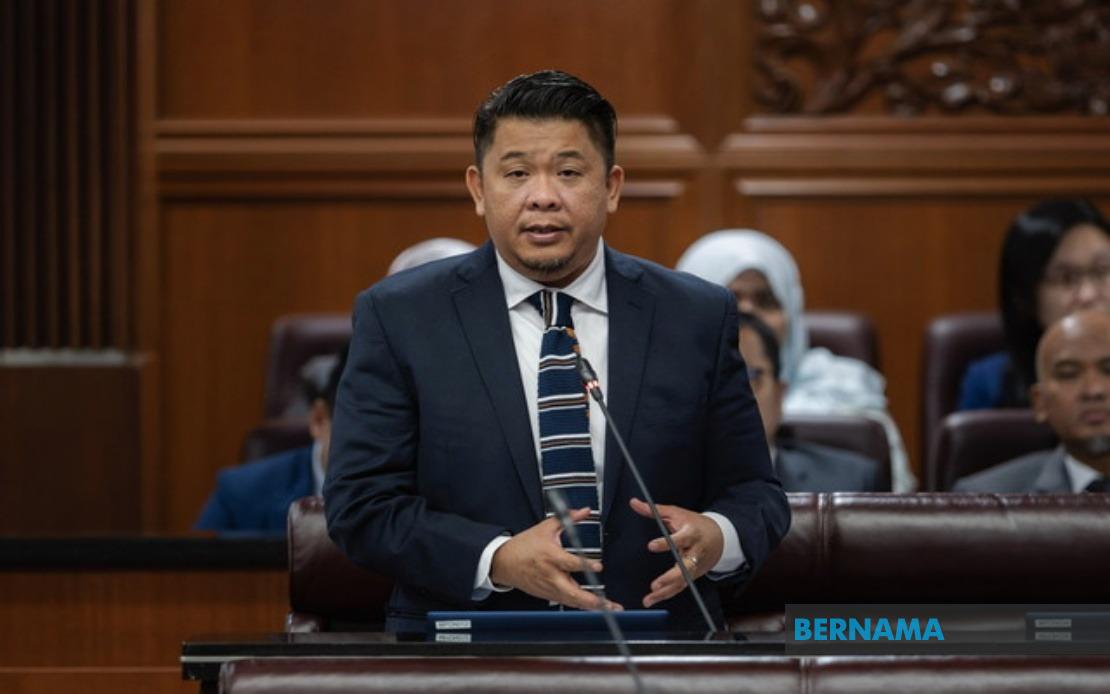
The Malaysian government maintains continuous surveillance of the whereabouts and safety status of 21,427 nationals dispersed across 14 countries experiencing active conflict or instability. Deputy Foreign Minister Datuk Lukanisman Awang Sauni disclosed this figure during parliamentary questioning in Dewan Negara, emphasising that the systematic tracking represents part of a broader preparedness framework designed to respond swiftly to any deterioration in regional security dynamics.
The scale of this monitoring operation underscores the widespread presence of Malaysians engaged in various pursuits abroad, ranging from employment and business ventures to religious pilgrimages and educational pursuits. Given Malaysia's position as a nation with significant diaspora populations and active engagement in international affairs, the concentration of citizens in volatile regions reflects both economic opportunities and the hazards of contemporary geopolitical turbulence. The identification and tracking of these individuals form the critical foundation upon which any emergency response architecture must rest.
Lukanisman articulated that accumulated experience from managing previous crises had substantially enhanced the government's institutional capacity to respond to emergencies. Rather than treating each conflict situation as a novel scenario requiring ad hoc responses, the Foreign Ministry has embedded lessons learned into standardised protocols and frameworks. This institutional memory proves invaluable when circumstances demand rapid mobilisation of resources and personnel, reducing reaction time and improving coordination between disparate government bodies.
The evacuation contingency framework extends far beyond the Foreign Ministry itself, incorporating extensive coordination mechanisms with multiple stakeholders across government, private enterprise, and civil society. The Royal Malaysian Air Force maintains evacuation readiness, while commercial airlines have been integrated into planning frameworks to provide charter flight capacity should regular commercial routes become unavailable or unreliable. Notably, Petroliam Nasional Bhd has developed parallel evacuation protocols for its workforce, reflecting the critical importance of protecting Malaysia's energy sector representatives operating in volatile territories.
Each Malaysian diplomatic mission maintains constantly updated contingency plans tailored to their respective geographic and security contexts. These plans encompass detailed mapping of Malaysian citizen locations, established communication protocols to maintain contact during emergencies, mechanisms for coordinating resources across multiple agencies, and predetermined evacuation strategies calibrated to specific risk scenarios. The plans function as operational manuals that guide diplomatic staff through the sequential steps required to execute orderly and efficient evacuations when conditions warrant activation.
Activation of these contingency arrangements follows a graduated approach calibrated to actual threat levels rather than employing a blanket, one-size-fits-all trigger mechanism. Decisions to invoke evacuation protocols reflect assessments of current risk exposure, ongoing security developments within the specific country or region, and the number of Malaysians requiring assistance. This graduated approach prevents unnecessary disruption while ensuring that the government can respond decisively when circumstances genuinely demand intervention.
The Foreign Ministry encourages Malaysian citizens abroad to proactively register their presence and intended movements with diplomatic missions through multiple channels including email, telephone contact, and the dedicated e-Consular system. Additionally, the MyWorldAlert application provides registered users with real-time security information and facilitates emergency communication pathways. This registration infrastructure enables authorities to maintain accurate inventories of national locations and to communicate directly with citizens during emerging crises, substantially improving response effectiveness.
The West Asian conflict that emerged earlier in 2024 prompted the Foreign Ministry to issue three distinct travel advisories as security conditions evolved and geopolitical tensions intensified. These advisories reflected the government's assessment of risk trajectories and served to inform Malaysian nationals and intending travellers of actual hazards. Following the ceasefire announcement on April 8, regional airspace that had been closed or severely restricted gradually reopened as the immediate security emergency deescalated, demonstrating how geopolitical instability directly disrupts civilian aviation and commerce.
The gradual reopening of Middle Eastern airspace represents a partial normalisation of regional conditions, though underlying vulnerabilities and tensions remain present. For Malaysia, this temporary stabilisation provides a window during which contingency planning can be refined and resources repositioned, even as security analysts recognise that Middle Eastern volatility remains an enduring feature of the strategic landscape. The improvement in flight availability also eases pressure on emergency evacuation protocols that would have been strained had airspace closures persisted.
For Malaysians contemplating travel to conflict-affected regions, whether for employment, religious purposes, or business activities, the existence of these monitoring and evacuation systems provides important reassurance. However, the very need for such extensive preparedness serves as an implicit warning that presence in unstable zones carries genuine risk. Citizens must weigh economic opportunities and personal objectives against security realities, making informed decisions about exposure to conflict zones.
The coordination architecture described by Lukanisman reflects sophisticated understanding that modern crisis response transcends traditional government boundaries. Private sector entities like Petronas, commercial carriers, and travel operators possess critical resources and expertise that government agencies alone cannot replicate. Similarly, non-governmental organisations working in crisis zones often maintain presence and relationships that facilitate on-ground coordination when formal diplomatic channels face constraints. This integrated approach to citizen protection represents evolution in how modern states conceptualise and execute their protective responsibilities toward nationals abroad.
As regional tensions persist across the Middle East and other volatile areas, Malaysia's proactive monitoring and comprehensive evacuation planning provide a measured counterbalance to the inherent uncertainties of international deployment. The government's demonstrated willingness to invest institutional resources in crisis preparedness reflects recognition that Malaysian citizens operating globally constitute a national asset requiring protection. For Malaysian nationals abroad, particularly those in conflict-affected territories, understanding the availability and mechanics of these support systems proves essential for informed decision-making about personal safety and risk exposure.

