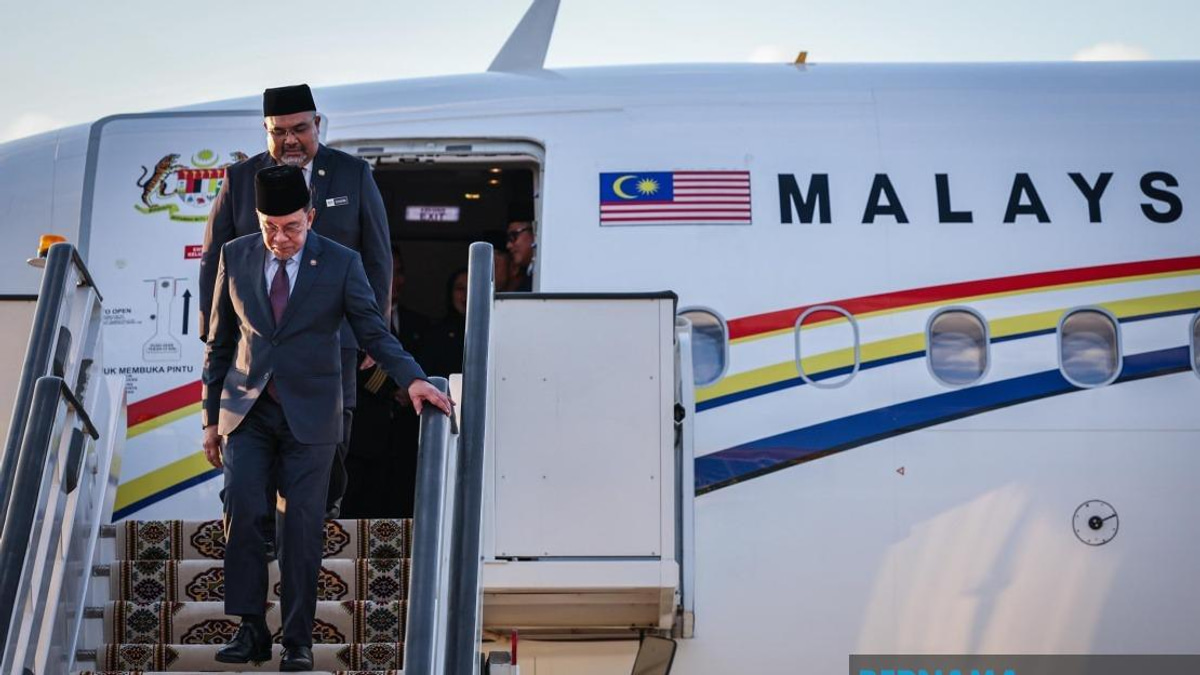
Prime Minister Datuk Seri Anwar Ibrahim will undertake a significant diplomatic mission to Turkmenistan on June 18 and 19, marking a pivotal moment in bilateral relations between Malaysia and the Central Asian nation. The visit to the capital Ashgabat signals Kuala Lumpur's strategic intent to strengthen partnerships beyond Southeast Asia and tap into emerging opportunities in one of the world's energy-rich regions.
The hydrocarbon sector stands at the forefront of proposed cooperation frameworks. Turkmenistan possesses substantial proven natural gas reserves and has positioned itself as a key energy exporter to global markets. For Malaysia, deepening engagement with Turkmen energy producers could diversify supply sources and enhance long-term energy security as the nation transitions between conventional and renewable energy portfolios. The timing of Anwar's visit coincides with global energy market volatility, making energy diplomacy particularly relevant for both nations seeking stable, predictable trade relationships.
Beyond crude oil and liquefied natural gas, the talks are expected to encompass the transportation and logistics sectors—areas where Malaysia possesses considerable expertise and infrastructure development capabilities. Turkmenistan's geographical position as a bridge between Europe and Asia makes it strategically valuable for transnational trade corridors. Malaysian companies, particularly those with experience in port management, shipping and supply chain optimization, could find lucrative opportunities in modernizing Turkmen transportation networks and facilitating regional commerce.
Agricultural collaboration represents another dimension of the planned bilateral framework. Turkmenistan, despite its arid climate, maintains agricultural production in cotton, cereals and vegetables. Malaysia, as a net importer of agricultural commodities, could explore food security arrangements while Malaysian agritech firms might introduce advanced farming techniques and irrigation solutions suited to Central Asian conditions. Such exchanges would strengthen regional food systems resilience, increasingly important given global supply chain uncertainties.
This outreach to Turkmenistan reflects Malaysia's broader diplomatic strategy under Anwar Ibrahim's leadership to cultivate relationships across diverse geopolitical regions. By engaging Central Asian nations, Kuala Lumpur positions itself as a credible bridge between Asian markets and international institutions, while simultaneously reducing economic dependence on traditional Southeast Asian trade partners. This geographical diversification strengthens Malaysia's negotiating position in regional forums and expands market access for Malaysian businesses.
Turkmenistan itself has been actively seeking to deepen international partnerships beyond its traditional Russian and Chinese relationships. A reciprocal Malaysian engagement provides Ashgabat with alternative diplomatic channels and commercial partnerships, particularly given Malaysia's credentials as a respected voice within the Organisation of Islamic Cooperation and the Association of Southeast Asian Nations. This alignment could facilitate Turkmenistan's integration into broader Asian economic architectures.
The visit also carries implications for Malaysia's positioning within emerging geopolitical competitions. Central Asia has attracted renewed international attention from major powers seeking to influence regional outcomes. Malaysian engagement, grounded in economic rather than strategic rivalry, offers Turkmenistan a non-threatening partnership option that complements rather than complicates its existing bilateral relationships.
From a Malaysian perspective, strengthening ties with energy-producing nations aligns with Putrajaya's comprehensive foreign policy objectives. The government has consistently emphasized the importance of economic diplomacy and South-South cooperation as drivers of national development. Engagement with Turkmenistan demonstrates this commitment while potentially generating opportunities for Malaysian service providers, exporters and investors operating across energy, technology and infrastructure sectors.
The scheduling and preparation for such high-level visits typically involve extensive groundwork by both governments' diplomatic corps, technical committees and business delegations. The June timing suggests these preliminary discussions have already established sufficient momentum and identified concrete cooperation areas worthy of prime ministerial attention. Success would likely be measured by the signing of memoranda of understanding or cooperation agreements spanning multiple sectors, establishing frameworks for sustained engagement beyond the immediate visit.
For the business community, particularly Malaysian firms with international ambitions, the visit opens potential gateway opportunities into Central Asian markets that have historically remained relatively distant from Southeast Asian commercial networks. Construction companies, telecommunications providers, financial services firms and trading houses may find avenues to establish regional presence or secure contracts through enhanced bilateral mechanisms.
The broader context suggests that Malaysian foreign policy continues evolving toward genuine multidirectional engagement. Rather than confining attention to Southeast Asia or traditional regional power centers, the Anwar administration demonstrates willingness to develop relationships across continents. This approach, if sustained consistently, could elevate Malaysia's international profile and expand the nation's economic horizons significantly.
Looking forward, the success of this visit will likely be gauged not merely by immediate bilateral achievements but by whether it catalyzes longer-term institutional relationships and commercial flows between Malaysian and Turkmen entities. Establishing mutual understanding and trust during this high-level engagement creates foundations for subsequent technical discussions and business-to-business connections that ultimately determine the practical value of diplomatic initiatives.