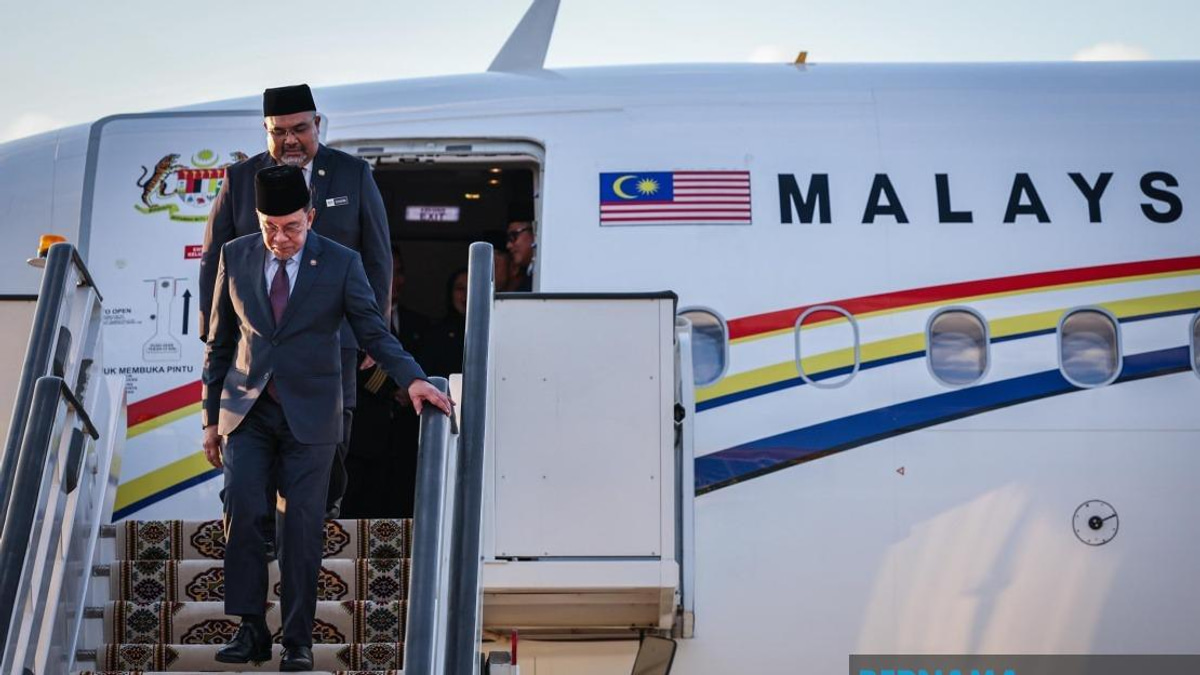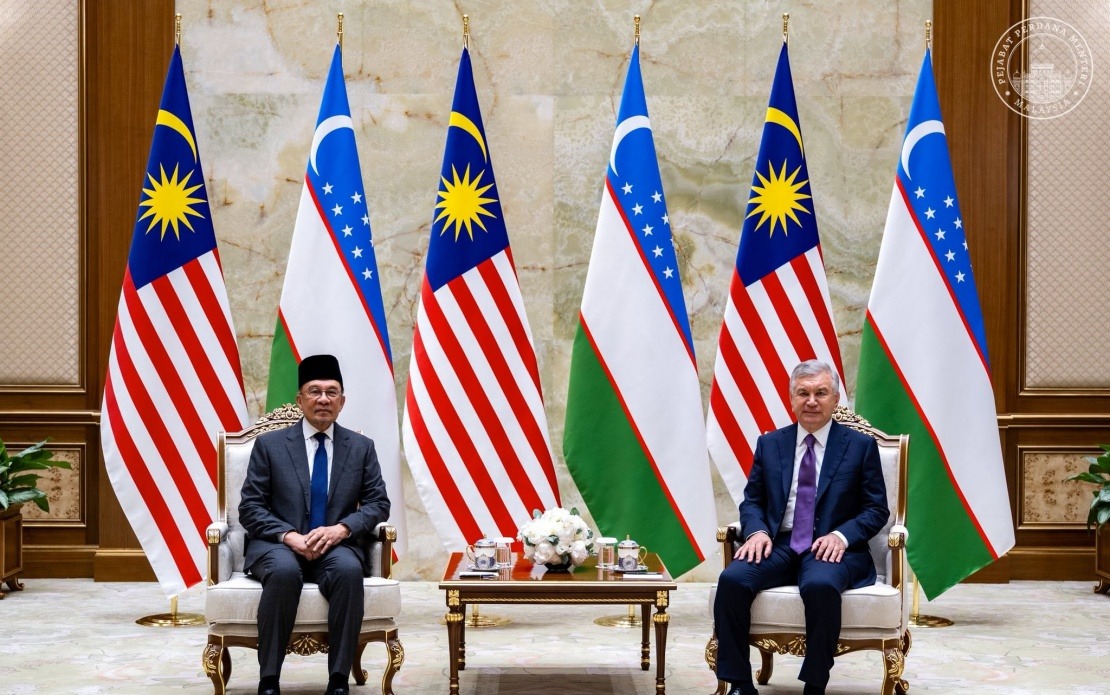
Prime Minister Datuk Seri Anwar Ibrahim has signalled Malaysia's readiness to deepen strategic cooperation with Uzbekistan across multiple sectors during a transit meeting with Uzbekistan President Shavkat Mirziyoyev in Tashkent. The brief but substantive encounter occurred as Anwar's delegation passed through the Central Asian capital en route to Kazan, Russia, where Malaysia participated in the ASEAN-Russia Commemorative Summit on June 17-18. Though time-constrained, the meeting yielded tangible commitments to expand bilateral engagement in areas ranging from hydrocarbon development to educational exchanges.
The energy sector emerged as a priority discussion point, with both nations identifying significant untapped potential in gas and petroleum cooperation. For Malaysia, engagement with Uzbekistan's substantial energy resources represents a strategic diversification opportunity, particularly as the country navigates its long-term energy security objectives. Uzbekistan's position as Central Asia's leading natural gas producer and its growing oil output make it an increasingly relevant partner for Malaysian energy planners and private-sector stakeholders. Beyond immediate commercial benefits, collaborative frameworks in these sectors could anchor broader regional stability and create spillover benefits for infrastructure development and technological transfer between the two nations.
Trade and investment formed another cornerstone of the discussions, reflecting Malaysia's broader pivot toward deepening economic ties with Central Asian economies that have historically remained peripheral to Southeast Asia's external engagement strategies. The bilateral trade relationship, while currently modest compared to Malaysia's interactions with established partners, carries considerable growth potential given Uzbekistan's ongoing economic liberalisation and its strategic location along revived Silk Road trade corridors. Malaysian enterprises, particularly those in financial services, manufacturing, and agro-based industries, stand to benefit from reduced trade barriers and enhanced market access in a nation of over 35 million people with rising consumer purchasing power.
The halal industry featured prominently in the bilateral conversation, reflecting shared values and commercial opportunity. Uzbekistan's significant Muslim population and its own halal certification infrastructure create natural synergies with Malaysia's position as a global halal certification and standards leader. Malaysian halal companies and certification bodies could extend their reach into Central Asian markets while simultaneously supporting Uzbekistan's own halal branding efforts in regional and international commerce. This dimension also touches on cultural and civilisational dimensions that resonate with both nations' identities, moving cooperation beyond purely transactional commercial calculus.
Educational collaboration represented a forward-looking dimension of the partnership discussions, underscoring an investment in long-term institutional linkages and people-to-people connections. Malaysian universities and vocational institutions could expand scholarship and exchange programmes with Uzbek counterparts, building professional networks and facilitating knowledge transfer in priority disciplines. Such educational partnerships create generational benefits, fostering mutual understanding and establishing platforms for future collaboration across government, business, and civil society sectors.
Tourism emerged as an additional sector ripe for development, with both nations recognising the commercial and diplomatic value of increased visitor flows. Uzbekistan's rich cultural heritage, historic Silk Road cities, and emerging tourism infrastructure present compelling attractions for Malaysian travellers, while enhanced Malaysian tourism marketing in Central Asia could drive reverse flows. Airlines, hospitality operators, and tourism service providers in both countries stand to gain from streamlined visa procedures and coordinated promotional campaigns targeting regional and international markets.
Anwar's references to Islamic civilisation and scholarly traditions underscore a deeper dimension to Malaysia-Uzbekistan engagement that transcends conventional economic metrics. Both nations share historical and cultural anchoring in Islamic intellectual traditions, and cooperation in preserving and promoting these civilisational heritage elements carries symbolic weight for their respective populations. This cultural foundation, when explicitly acknowledged at leadership level, can generate domestic political support for deepened practical cooperation and create shared narratives that justify sustained investment in bilateral institutions and programmes.
The Prime Minister's expressed appreciation for Uzbekistan's engagement with ASEAN signals Malaysia's interest in positioning the Central Asian nation as a meaningful interlocutor within the broader regional architecture. Uzbekistan's own diplomatic expansion toward Southeast Asia reflects President Mirziyoyev's broader reorientation of foreign policy toward diversified partnerships, and Malaysia's receptiveness to this outreach creates mutual benefits. Enhanced Malaysia-Uzbekistan ties contribute to ASEAN's goal of engaging major Eurasian powers and help integrate Central Asian economies into regional frameworks from which they have historically remained distant.
The timing of this engagement—occurring as Malaysia prepares for its own strategic repositioning in an increasingly multipolar geopolitical landscape—suggests deliberate sequencing of diplomatic initiatives. By engaging Central Asian partners during high-profile multilateral summits, Malaysia reinforces its commitment to balanced external relations and positions itself as a bridge between Southeast Asia and Eurasian economies. Such positioning carries relevance for Malaysian economic diversification strategies and for enhancing the country's profile as a nexus for regional and cross-regional partnerships.
Anwar's personalised gesture of wishing Uzbekistan's national football team success in its 2026 FIFA World Cup campaign against Colombia added a lighter, humanising dimension to what might otherwise remain a formal diplomatic encounter. Such gestures, while seemingly peripheral, reinforce the personal rapport between leaders and signal commitment to engagement beyond governmental structures. Sport diplomacy has long served as a complement to formal state relations, and this reference demonstrates an appreciation for the cultural dimensions of bilateral relations.
Looking forward, the pledges exchanged during this Tashkent meeting require operationalisation through concrete mechanisms and institutional frameworks. Both governments face the practical challenge of translating broad expressions of intent into binding agreements, sectoral working groups, and implemented projects. Malaysian embassies and business councils will need to intensify outreach to private-sector stakeholders in key industries, identifying specific partnership opportunities and investment prospects within the agreed strategic sectors. Similarly, Uzbek governmental and commercial representatives require targeted engagement with Malaysian counterparts to identify compatible interests and viable joint ventures.
The Malaysia-Uzbekistan partnership also carries implications for Malaysia's broader Central Asian strategy and for ASEAN's collective engagement with the wider Eurasian space. As ASEAN members increasingly recognise the importance of diversified external partnerships, bilateral initiatives with Central Asian economies serve as building blocks for more substantial regional architecture. Malaysia's proactive approach to Uzbekistan engagement could catalyse similar initiatives by other Southeast Asian countries, gradually integrating Central Asia into regional economic and diplomatic frameworks that have traditionally focused on East Asia and the Western Pacific.
Ultimately, the Tashkent meeting reflected a pragmatic assessment by both nations that deepened cooperation serves mutually reinforcing interests in economic growth, energy security, and cultural promotion. While the sectors identified—energy, trade, education, halal, tourism—remain relatively conventional components of bilateral engagement frameworks, their packaging within explicit reference to Islamic civilisation and human dignity elevates the partnership beyond transactional commerce. Successfully executing the cooperative agenda will require sustained political commitment, institutional development, and business-sector participation, but the foundation has been laid for meaningful long-term engagement between two nations with complementary strengths and compatible strategic objectives.