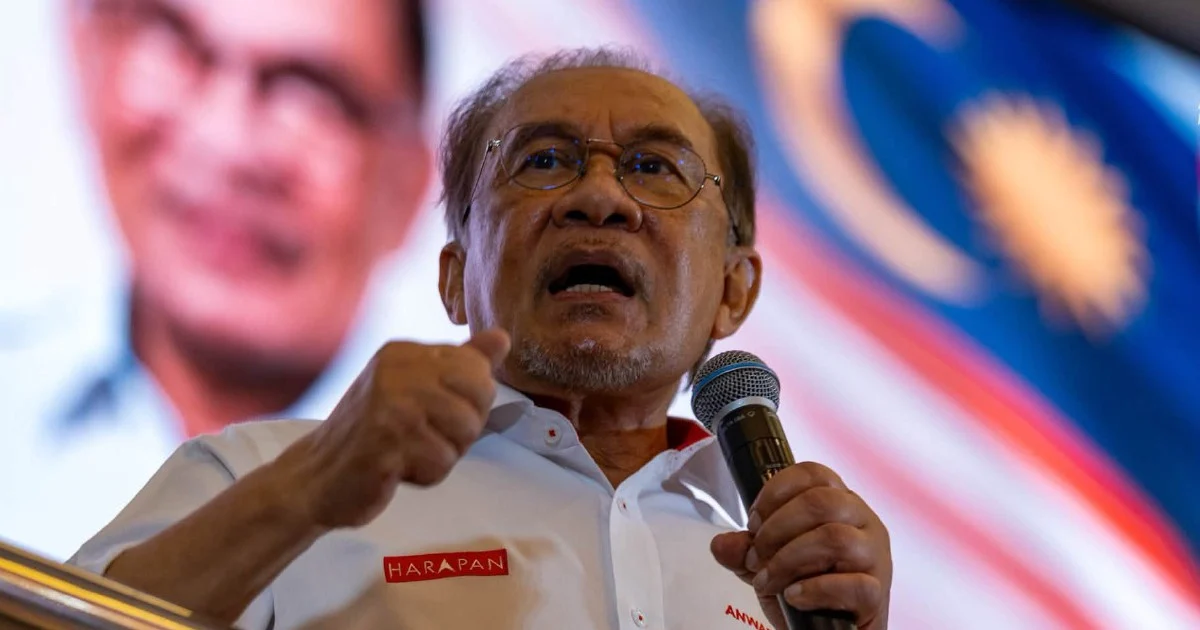
Prime Minister Datuk Seri Anwar Ibrahim has confirmed that the Malaysian government will not be approaching Singapore to facilitate voting arrangements for Malaysian citizens working in the city-state during the upcoming Johor state election scheduled for July 11. The decision addresses speculation about potential cross-border electoral coordination that had emerged in discussions ahead of the poll.
The Johor state election represents a significant political event in Malaysia's electoral calendar, particularly given the state's economic importance and its proximity to Singapore. The July 11 date marks a critical moment for the state's political direction, and voter participation from within Johor's borders will be pivotal in determining the outcome. However, questions had surfaced regarding accommodation for the substantial number of Malaysians who cross the Causeway daily for employment and other activities.
Cross-border employment between Malaysia and Singapore is a long-established feature of the region's economic landscape. Tens of thousands of Malaysian workers commute regularly to Singapore for jobs spanning multiple sectors, from healthcare and finance to manufacturing and domestic work. During election periods, the geographical separation of voters from their constituencies creates practical voting challenges that election management authorities typically address through domestic mechanisms.
Anwar's confirmation that no formal request will be made to Singapore reflects Malaysia's traditional approach to electoral administration, which has historically remained entirely within the sovereignty of Malaysia's own institutions. The Election Commission, as the body responsible for conducting federal and state elections, would typically manage voter access through mechanisms available within Malaysian territory or through existing diplomatic channels, rather than seeking direct facilitation from foreign governments.
The timing of this clarification is significant given regional sensitivities around electoral processes and sovereignty. Singapore maintains strict protocols governing activities on its soil, and any arrangement involving electoral participation would require careful negotiation and clear legal frameworks. By preemptively ruling out such arrangements, Malaysia signals its commitment to conducting the election entirely through its own established procedures and resources.
For the estimated 300,000 to 400,000 Malaysians working in Singapore, the announcement means they will need to arrange personal leave or make alternative transportation plans if they wish to cast their votes in Johor. This is consistent with how Malaysian elections have historically been managed, placing the responsibility on individual voters to navigate the logistics of participating in their constituencies' electoral processes. Many registered voters working across the Causeway have previously managed this through advance planning or postal voting arrangements.
The postal voting system available to Malaysian citizens living or working abroad has served as the conventional solution for voters unable to physically present themselves at polling stations on election day. This option has been utilised in numerous state and federal elections, allowing voters to cast ballots without requiring international electoral cooperation. The mechanism remains available for the July 11 Johor election, providing voters with a legitimate pathway to participate despite geographical distance from their constituencies.
Anwar's statement also carries implications for regional election administration practices more broadly. As ASEAN nations increasingly grapple with the reality of cross-border labour mobility and migration, the question of how electoral systems accommodate mobile populations remains largely unresolved. Malaysia's decision to handle the Johor election through traditional domestic mechanisms reflects a broader regional tendency to maintain sharp boundaries between electoral processes and cross-border arrangements.
The Election Commission has not indicated any extraordinary measures being implemented for voters working in Singapore, suggesting confidence in existing administrative frameworks to manage participation levels. Previous state elections have proceeded without special cross-border arrangements, and the Johor election appears positioned to follow similar precedent. This stability in approach provides clarity for voters and election management officials alike regarding what to expect on polling day.
From a practical standpoint, voters in Singapore seeking to participate in the Johor election will need to either take leave to return to Malaysia on July 11, or arrange their postal votes well in advance through the Commission's established procedures. Many employers in Singapore provide leave for voting purposes, recognising the importance of electoral participation in Malaysian workers' home states. Additionally, some voters may choose to make the journey across the Causeway specifically for the election, particularly if polling stations fall within convenient proximity to their constituencies' entry points.
The announcement also reflects the discrete nature of modern electoral administration in the region, where cooperation among ASEAN states on most matters does not typically extend to direct involvement in each other's domestic voting processes. This boundary-marking serves to protect the integrity and independence of each nation's electoral systems while acknowledging the pragmatic reality that some voters will be geographically inconvenienced.
Looking forward, the Johor election will test how effectively Malaysia's traditional electoral infrastructure manages participation under current cross-border employment conditions. Results and participation patterns may inform future discussions about whether adjustments to voting accessibility or postal procedures are warranted, though any such changes would remain firmly within Malaysia's own institutional domain rather than requiring international arrangements.

