KUALA LUMPUR — Malaysia's premier boarding institutions are about to welcome a new generation of disciplinary staff drawn from the country's veteran military ranks. Beginning next month, 16 former Malaysian Armed Forces (ATM) personnel will take up full-time warden positions across eight MARA Junior Science Colleges (MRSMs), marking the second phase of an ambitious programme designed to reinforce campus order and eliminate bullying from these prestigious secondary institutions.
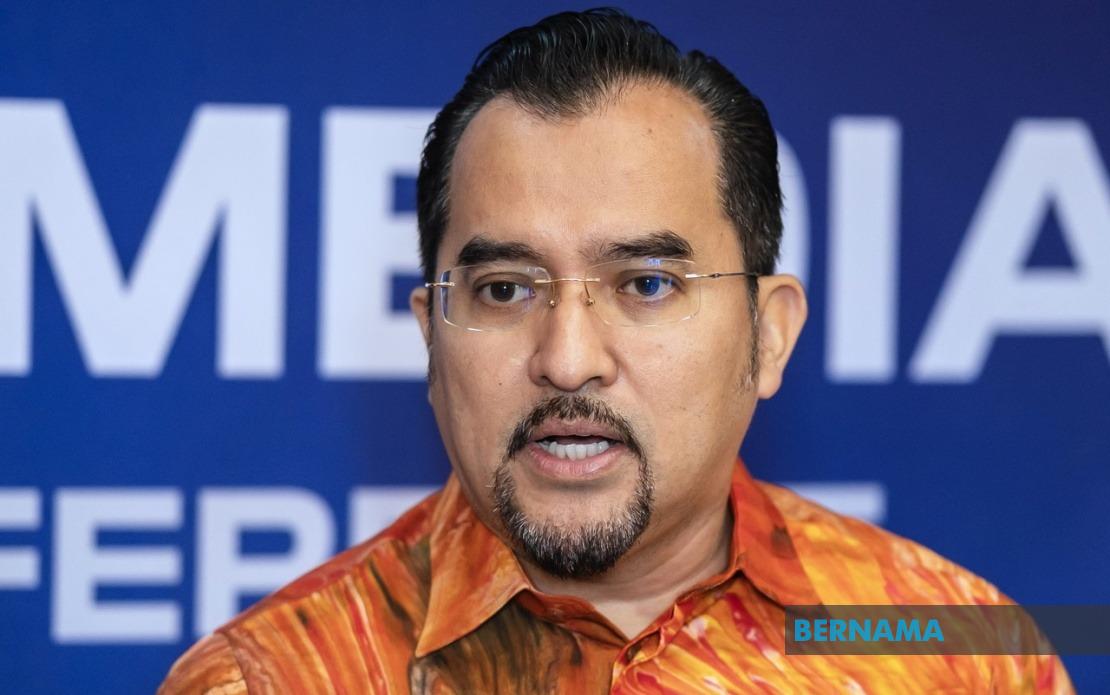
The initiative represents a deliberate strategy to address persistent welfare concerns at Malaysia's most selective boarding schools. MARA Chairman Datuk Dr Asyraf Wajdi Dusuki framed the appointments within a broader institutional commitment to cultivating safer, more disciplined learning environments where students can develop their intellectual potential free from harassment or intimidation. By drawing on the professional standards and command experience of former military officers, MARA hopes to establish a new benchmark for residential school management across the nation.
This deployment follows an experimental programme that ran successfully at MRSM Besut and MRSM Balik Pulau since October 2025, which functioned as a proof-of-concept for integrating veteran personnel into residential college structures. The positive outcomes from that pilot justified expanding the approach to a significantly larger cohort of institutions, signalling confidence in the model's effectiveness and sustainability. The phased rollout reflects careful institutional planning rather than hasty implementation, allowing MARA to refine recruitment and training methodologies before scaling nationwide.
The full complement of wardens at each institution will eventually reach 32 personnel, with two male and two female staff members assigned to every college. The first tranche of 16 male wardens begins their duties on July 1, 2026, while recruitment of female candidates is progressing through a parallel but slightly staggered timeline. The organisation has received 162 applications for women's positions, with online assessments completed on June 25 and physical interviews scheduled for July 2. This sequenced approach acknowledges both the practical constraints of simultaneous recruitment and the importance of thorough vetting across all positions.
The selection machinery assembled for this programme demonstrates MARA's determination to maintain rigorous standards. A consortium of partners including Glokal Link Sdn Bhd (GLSB), the Veterans Affairs Department (JHEV), TalentCorp, and the Malaysian Armed Forces Psychology and Counselling Section conducted comprehensive screening. Physical interviews in mid-June attracted 147 candidates, predominantly male applicants who had navigated preliminary stages. The involvement of multiple government agencies and private-sector expertise reflects the seriousness attached to personnel decisions affecting young people in residential settings.
Eligibility criteria are uncompromising. Recruitment is restricted to ATM veterans who completed their service honourably and were not separated for misconduct, disciplinary breaches, or legal violations that would compromise their standing as veterans. This gatekeeping ensures that wardens possess not merely military training but also demonstrated integrity throughout their service records. The distinction matters enormously — it signals that MARA will not compromise on character or trustworthiness simply to fill positions quickly.
The assessments conducted extend far beyond conventional job interviews. Candidates face psychometric evaluations including MyNext OCEAN and RIASEC personality testing, military psychological assessments, mental health screening, body mass index evaluations, fitness testing, and panel interviews involving representatives from multiple screening agencies. These layered evaluations aim to identify individuals who possess not only the discipline and decisiveness that military training develops but also the emotional stability, boundary awareness, and psychological resilience required when working with adolescents in residential environments.
Child protection emerges as a paramount consideration in the screening framework. Before appointment letters are issued, GLSB conducts criminal record checks through the Royal Malaysia Police, verifies status against child sexual offence registries, and arranges final psychological evaluations with Armed Forces psychologists and counsellors. These assessments specifically probe impulse control, appropriate professional boundaries between wardens and students, and overall psychological suitability for hostel placements. The emphasis on child safeguarding reflects lessons learned globally about institutional vulnerabilities and MARA's commitment to preventing abuse in residential settings.
Datuk Dr Asyraf Wajdi characterised the appointment process as deliberately uncompromising. No offer letters will be issued until all screening stages conclude successfully. The approach prioritises candidate integrity, clean records, and demonstrated suitability for guardianship roles over expediency in filling vacancies. This patience with process suggests that MARA recognises that poor warden selections create far greater institutional damage than temporary staffing gaps.
The programme's ambitions extend well beyond these initial eight institutions. MARA intends to roll out the warden expansion across all 58 MRSMs in staged phases, with the third phase scheduled for January 1, 2027. This trajectory envisions veteran-staffed residential colleges becoming a defining characteristic of Malaysia's boarding school infrastructure. For Southeast Asian education systems watching how Malaysia handles this transition, the implementation methodology may offer instructive lessons about integrating veteran personnel into civilian institutional roles while maintaining rigorous safeguarding standards.
The political and social calculus underlying this initiative reflects broader Malaysian concerns about student welfare and institutional accountability. Bullying incidents at boarding schools have periodically attracted media scrutiny and parental anxiety, creating pressure on educational administrators to demonstrate tangible improvements. The decision to appoint former military officers addresses public concern while simultaneously creating meaningful civilian employment for veteran populations — a dual-benefit outcome that aligns with government workforce integration policies.
For the families of MRSM students, particularly parents in urban areas who entrust their children to residential institutions during their most formative years, this programme offers reassurance that their children's safety and disciplinary development command institutional attention at senior levels. The transparency around screening procedures and the emphasis on psychological fitness for child-protection roles represent meaningful departures from historical standards that often treated boarding school staffing as routine administrative matters rather than safeguarding responsibilities.
The implementation methodology itself carries significance for Malaysian public administration more broadly. The collaborative approach involving government veterans' departments, private-sector recruitment specialists, and military psychological services demonstrates how institutional problems can be addressed through coordinated multi-agency solutions. As Malaysian institutions increasingly grapple with questions about duty of care in residential settings, the thoroughness exhibited in this warden recruitment process may establish precedent for how similar personnel decisions should be approached across the sector.

