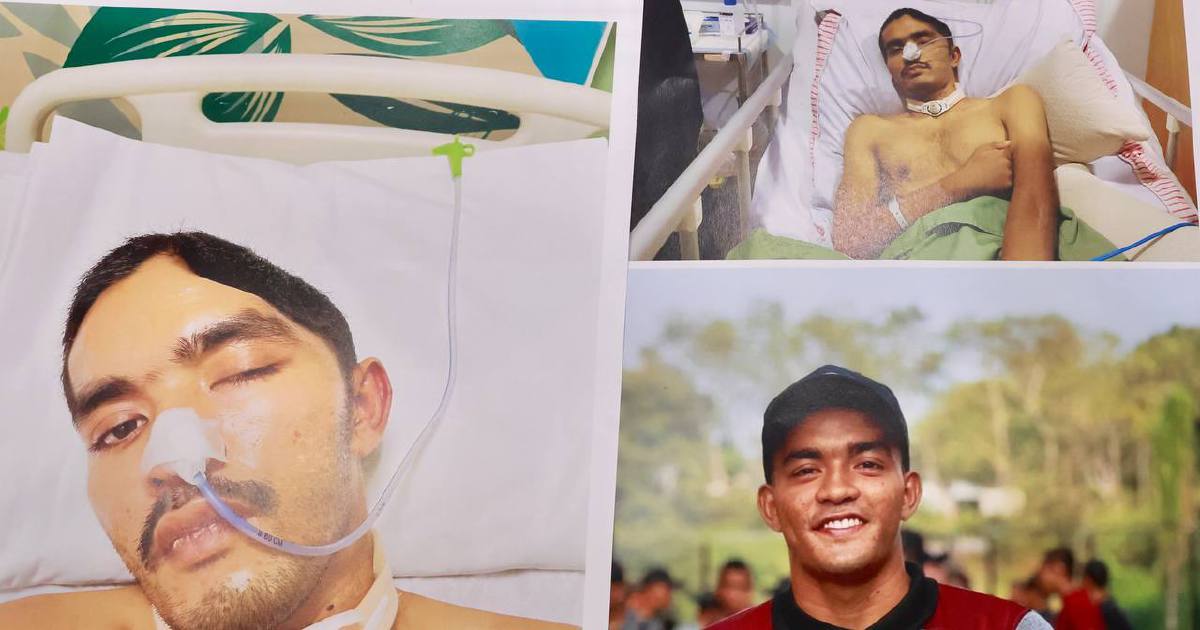
Malaysia's armed forces have concluded their internal review of a serious incident that resulted in a commando being badly wounded while stationed at a military installation in Johor during March. The completion of this inquiry now clears the way for disciplinary action, including the dismissal of personnel implicated in the occurrence.
The injury incident at the Johor camp highlighted broader concerns about operational safety standards and accountability within Malaysia's defence establishment. Military training environments, particularly those housing elite commando units, operate under strict protocols designed to minimise risk to personnel. When such incidents occur, they trigger comprehensive internal examinations to determine the sequence of events, identify responsible parties, and implement corrective measures to prevent recurrence.
Malaysia's armed forces structure includes specialist commando units tasked with demanding operational roles. These formations undergo rigorous conditioning and tactical preparation, which inherently carries occupational hazards. The March incident underscored the critical importance of maintaining supervisory oversight and enforcing safety regulations during all training activities. Military investigations into such matters typically examine equipment conditions, supervision quality, individual conduct, and systemic factors that may have contributed to the injury.
The decision to proceed with dismissals signals the military's commitment to accountability within its ranks. Personnel actions ranging from formal cautions to termination represent serious consequences within military service, where adherence to regulations and duty of care toward subordinates remain fundamental expectations. The timing of disciplinary implementation following investigation completion reflects institutional protocol designed to ensure procedural fairness while maintaining command authority.
For Malaysia's defence sector, such incidents generate significant internal focus on training methodologies and safety culture. Military organisations globally have increasingly emphasised preventive approaches to occupational injury, balancing the necessity of challenging preparation with responsible risk management. The Malaysian armed forces' response demonstrates recognition that maintaining operational effectiveness requires protecting personnel welfare alongside capability development.
The commando unit structure within Malaysia's military serves critical national security functions. These soldiers undertake specialised preparation that distinguishes them from conventional formations, requiring heightened attention to both training quality and safety protocols. When injuries occur despite established safeguards, institutional responses become crucial for maintaining morale and public confidence in military stewardship.
Disciplinary measures emerging from this investigation will extend beyond individual accountability to potentially encompassing systemic reviews. Military establishments typically use such incidents as catalysts for evaluating broader training practices, equipment standards, and supervision frameworks. The completion of the Johor investigation therefore likely includes recommendations extending beyond personnel consequences to encompass procedural enhancements.
For military personnel and their families, the handling of such matters carries substantial weight regarding institutional trust and duty of care. Transparent investigation processes and consistent application of accountability standards help maintain the confidence essential for unit cohesion and operational readiness. Malaysia's armed forces recognition of these dynamics influences how they structure their internal justice mechanisms.
The Johor camp incident and its resolution occur within Malaysia's broader context of modernising military operations and strengthening internal governance standards. Regional security environments require that armed forces maintain both operational capability and institutional credibility. Public awareness of proper investigation and accountability procedures, even when confidentiality restrictions apply to specific details, reinforces institutional legitimacy.
Moving forward, the implementation of disciplinary measures will be closely monitored within military circles and among defence observers. Such actions serve dual purposes: addressing the specific circumstances of this injury while signalling broader organisational commitment to safety standards. The army's completion of its investigation represents a transition point from fact-finding toward remedial action and institutional learning.
For Malaysia's defence establishment, incidents of this nature periodically test organisational maturity in balancing accountability with justice, operational demands with personnel welfare, and confidentiality with public confidence. The Johor commando injury investigation demonstrates how military institutions navigate these tensions through systematic review and disciplinary implementation, establishing precedent for future handling of similar circumstances.

