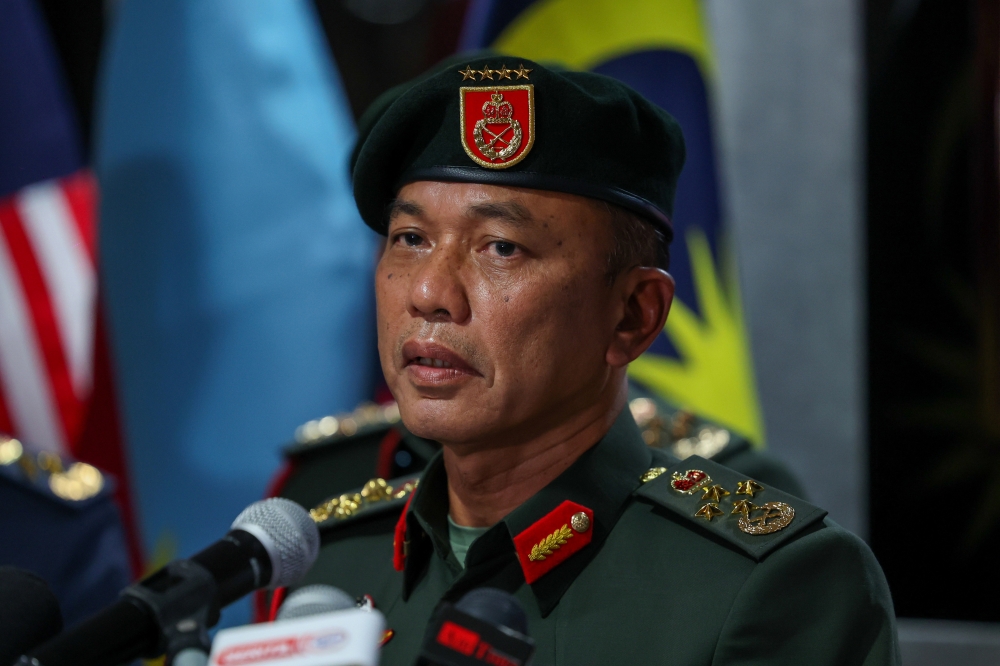
The Malaysian Army has pushed back against rape allegations that spread rapidly across social media platforms involving one of its servicemen, declaring that findings from its internal inquiry present a markedly different picture from the claims gaining traction online. The statement, released on July 15, represents an attempt by the military institution to control the narrative surrounding an increasingly sensitive case that has captured public attention and sparked broader discussions about accountability and transparency within the armed forces.
The emergence of alleged assault claims through viral social media posts has created considerable pressure on the Malaysian Army to demonstrate both investigative rigour and institutional integrity. Such cases typically draw intense scrutiny because of the power imbalance inherent in military hierarchies and the historical challenges survivors face when seeking justice within closed organisational structures. The military's swift public response signals recognition that the allegations, regardless of their ultimate veracity, have already damaged the institution's reputation and require urgent clarification for both the affected parties and the public.
Internal military investigations operate within different parameters than civilian police inquiries, raising legitimate questions about independence and thoroughness. The Malaysian Army's assertion that its probe contradicts the allegations requires examination of the investigation's methodology, scope, and whether external oversight was involved. Transparency about how the military conducts such inquiries—including whether accusations are properly documented, witnesses thoroughly interviewed, and evidence objectively assessed—remains crucial to public confidence in institutional accountability mechanisms.
Social media's role in amplifying the allegations underscores a modern challenge for both institutions and individuals seeking justice. While digital platforms provide avenues for voices that might otherwise remain unheard, they also enable rapid dissemination of unverified claims that can prejudice perception and complicate fair investigation. The Malaysian context, where online discourse increasingly shapes public opinion on governance and institutional conduct, makes managing this tension particularly important for military leadership navigating public credibility alongside legitimate investigative processes.
The dispute between the military's findings and the public allegations raises fundamental questions about victim support mechanisms within the armed forces. Sexual assault survivors, particularly those within hierarchical institutional contexts, often face significant barriers to reporting, including fear of retaliation, concerns about career impact, and uncertainty about whether internal processes will deliver justice. The Malaysian Army's public contradiction of the allegations, while perhaps intended to protect its reputation, may inadvertently discourage future reporting if personnel perceive that institutional loyalty supersedes survivor protection.
The timing and nature of the military's response also merit consideration. Rather than providing comprehensive details about its investigation's findings, the Army's statement focused on contradicting the allegations without necessarily clarifying the specific factual discrepancies or explaining its investigative methodology. This approach may reinforce public suspicion that the military prioritises institutional protection over genuine accountability, particularly among constituencies already skeptical of internal investigations in closed organisations.
For Malaysian society more broadly, this case reflects ongoing tensions around sexual violence accountability across institutions. Recent years have witnessed increased public discourse about harassment and assault in workplaces, educational settings, and authority structures, with social media amplifying survivor voices. The Malaysian Army case sits within this broader conversation about whether traditional institutional investigation mechanisms adequately protect vulnerable individuals or whether they function primarily to shield organisations from external scrutiny.
Regional context matters as well. Across Southeast Asia, militaries face similar pressures to modernise their approach to internal discipline and personnel conduct, balancing institutional cohesion with individual accountability. Malaysia's experience navigates competing demands: maintaining military readiness and morale while demonstrating to the public that servicemen are subject to the same standards of conduct expected in civil society. How the Malaysian Army ultimately handles this case will likely influence perceptions of military accountability throughout the region.
The involvement of social media in shaping the narrative also highlights generational differences in how allegations of institutional misconduct are processed. Younger Malaysians, particularly those active online, may have greater confidence in peer networks and digital platforms than in formal institutional channels when seeking justice or validation. The Malaysian Army's reliance on its internal investigation, without apparent commitment to external independent review or greater transparency about its findings, risks deepening this generational divide regarding trust in institutional accountability.
Moving forward, the Malaysian military might consider how it can simultaneously defend its personnel against potentially unfounded accusations while demonstrating genuine commitment to survivor protection and institutional accountability. This could include inviting independent oversight of sensitive investigations, clarifying the specific discrepancies between its findings and public allegations without compromising witness confidentiality, and articulating clear protocols for sexual misconduct that prioritise both fairness to the accused and support for potential victims.
The case ultimately reflects broader questions about institutional legitimacy in contemporary Malaysia. Public confidence in the armed forces depends partly on demonstrated ability to hold members accountable for serious misconduct while treating accusations seriously and survivors respectfully. How the Malaysian Army navigates the current allegations—balancing institutional protection with genuine accountability—will significantly influence public perception of military integrity and the willingness of potential victims to seek justice through official channels rather than social media.

