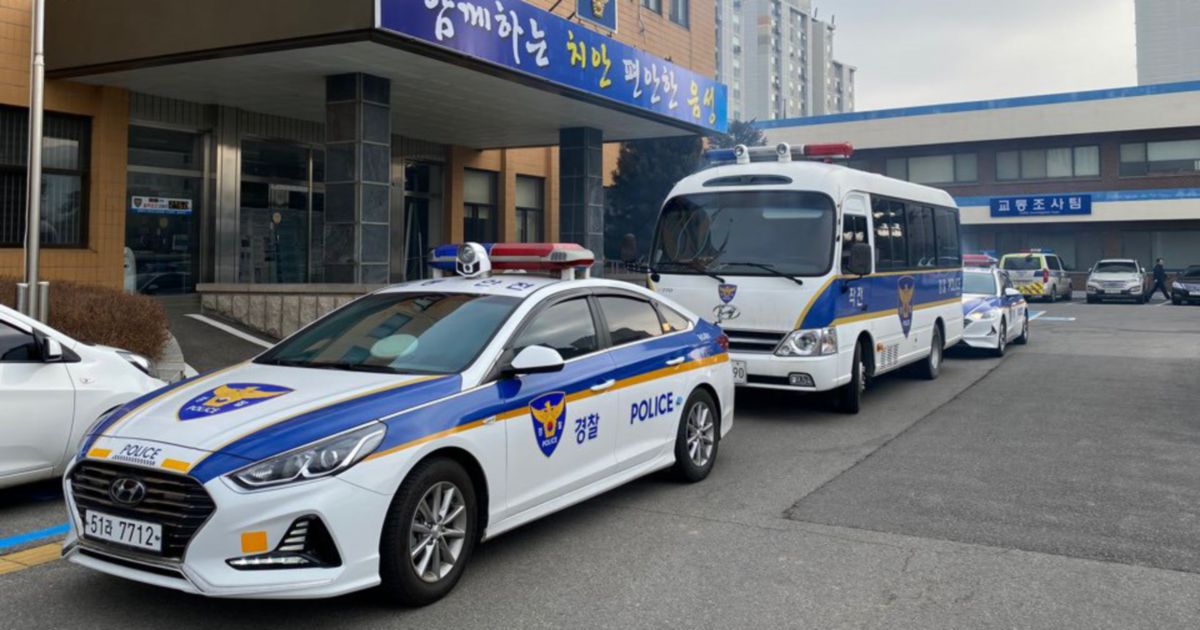
Tragedy struck a Malaysian family when a compatriot lost his life during a street brawl involving foreign nationals in South Korea's North Chungcheong Province in the early hours of Sunday morning. The incident, which unfolded in a region situated roughly two hours south of the capital Seoul, has raised fresh concerns about the safety of Malaysian workers and residents abroad and highlighted the vulnerabilities of overseas nationals in volatile situations.
The altercation, which erupted between two groups of foreigners, culminated in the death of the Malaysian victim. The circumstances surrounding the confrontation remain unclear, though preliminary reports suggest it escalated rapidly from a dispute into physical violence. Initial investigations indicate the incident occurred in a public area, drawing attention to how quickly a disagreement among groups of foreign nationals can spiral into a fatal outcome. South Korean authorities have launched an inquiry to establish the precise sequence of events and identify all parties involved in the confrontation.
In a significant development, Malaysian authorities confirmed that another Malaysian national has been taken into police custody in connection with the incident. The arrest adds a complex dimension to the case, as it suggests Malaysian nationals may have been present on both sides of the altercation. The detained individual faces questioning as investigators attempt to reconstruct the events leading up to the fatal outcome. The specific charges and details of the arrest have not yet been disclosed, though authorities in both countries are coordinating their efforts to ensure a thorough examination of the circumstances.
The death underscores the inherent risks faced by Malaysians working or residing in foreign countries, particularly in situations where tensions between groups of foreigners can escalate without warning. South Korea, despite its reputation as a modern and relatively safe nation, has witnessed occasional incidents involving international migrants and workers. The country hosts a substantial population of foreign residents, including Malaysians employed in various sectors ranging from manufacturing to the service industry and education.
The tragedy comes at a time when Malaysia continues to grapple with ensuring the welfare and safety of its citizens abroad. The Ministry of Foreign Affairs and its diplomatic missions play crucial roles in such situations, offering consular support to affected families and coordinating with host country authorities to facilitate investigations. In this case, the Malaysian embassy in South Korea would be expected to provide assistance to the deceased's family and monitor the progress of both the investigation and the detention of the arrested compatriot.
North Chungcheong Province, the location of the incident, is an inland region that serves as an industrial hub for South Korea. The province attracts numerous foreign workers seeking employment opportunities in manufacturing plants and related industries. The predominantly working-class nature of certain areas within the province can sometimes create environments where tensions between different national or ethnic groups surface, particularly during off-duty hours in entertainment districts or residential neighbourhoods.
The incident raises important questions about the safety protocols and support systems available to Malaysian nationals in South Korea. Many workers migrate to the country through official channels but may not always be fully aware of potential dangers or have adequate access to emergency support networks. Language barriers, unfamiliarity with local laws, and social isolation can leave foreign workers vulnerable in conflict situations. Community organisations and employer-sponsored welfare programs play vital roles in mitigating these risks, yet gaps in coverage and awareness remain significant challenges.
For Malaysia's broader diaspora community in South Korea, the incident serves as a sobering reminder of the importance of maintaining vigilance and avoiding situations that could escalate into violence. The presence of multiple nationality groups in industrial areas can sometimes create friction, particularly when fuelled by alcohol or other factors. Malaysian workers are often advised to exercise caution when socialising in unfamiliar areas and to maintain communication with their embassies regarding their whereabouts and contact information.
The coordination between Malaysian and South Korean authorities will be crucial in determining the circumstances of the death and ensuring justice is served appropriately. South Korea operates a well-developed legal system that generally adheres to international standards of justice and fair treatment. However, the complexity of cases involving multiple foreign nationals often requires careful diplomatic navigation to ensure that both the interests of justice and the rights of the accused are properly balanced.
This tragic incident will likely prompt Malaysian diplomatic missions to intensify their outreach efforts to citizen communities abroad, offering updated safety briefings and guidance on how to access emergency support. The Ministry of Foreign Affairs may also consider reviewing and strengthening existing protocols for assisting nationals involved in criminal matters overseas. Additionally, employer organisations in Malaysia that recruit workers for positions in South Korea may face increased pressure to provide more comprehensive safety training and support mechanisms for departing employees.
The family of the deceased faces an immensely difficult period ahead, with the additional burden of dealing with loss in a foreign country far from their home support systems. Malaysian consular officials will play an essential role in assisting with repatriation procedures, obtaining necessary documentation, and ensuring the family receives appropriate support throughout the legal proceedings. The arrested Malaysian national, meanwhile, faces an uncertain future as the investigation progresses and legal processes unfold in a foreign jurisdiction.
As details emerge from the ongoing investigation, the case will likely receive continued attention from Malaysian media and civil society groups focused on migrant worker welfare and human rights. The broader implications for Malaysian citizens working in South Korea and other parts of the world will undoubtedly feature in discussions among policymakers and community leaders concerned with overseas worker protection and safety standards.

