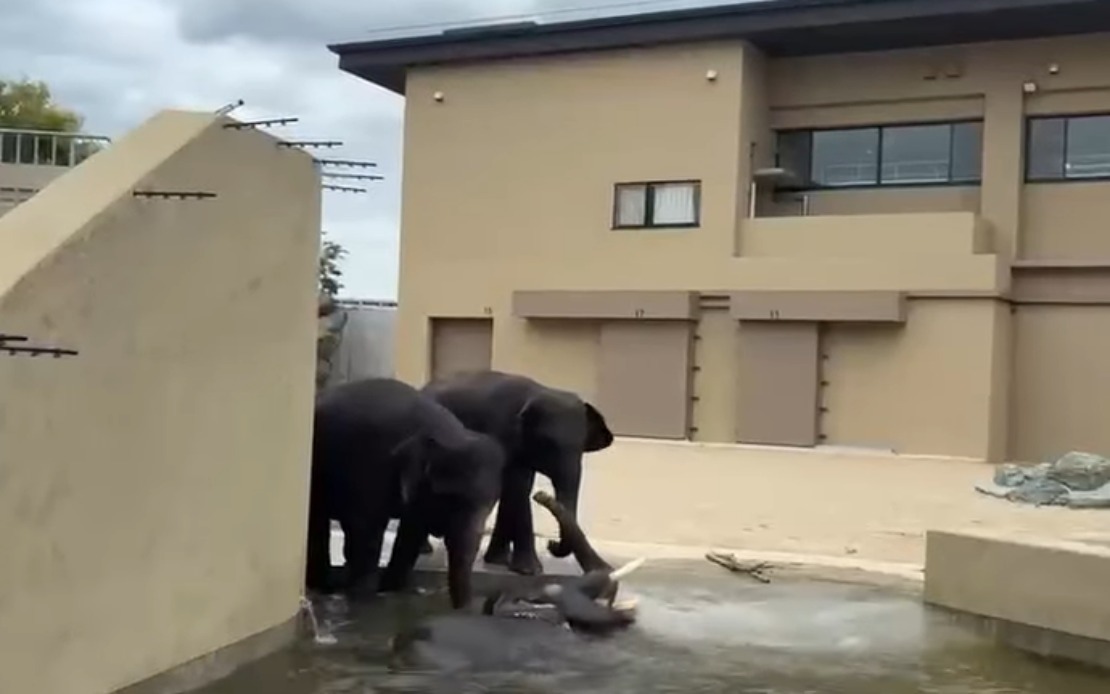
Three female elephants from Malaysia are making encouraging progress at Tennoji Zoo in Japan, with recent veterinary reports indicating steady improvements in their physical condition and overall wellbeing. The animals—Dara, Amoi and Kelat, collectively known as DAK—have each registered significant weight gains that reflect their successful adaptation to their new environment and the quality of care they are receiving. Taiping Municipal Council president Mohamed Akmal Dahalan released the latest health metrics, which show Kelat gaining 260 kilogrammes since arriving at the facility, while her companions Dara and Amoi have added 35 kilogrammes and 30 kilogrammes respectively to their body weight.
The comprehensive nutrition programme underpinning these positive outcomes represents a carefully calibrated approach to elephant husbandry. The Tennoji Zoo team, working in tandem with qualified veterinary professionals, has developed a diet regimen specifically tailored to the dietary and nutritional needs of these large mammals. The daily feeding plan incorporates diverse hay varieties as the primary fibre source, supplemented by bamboo shoots, fresh vegetation including grass and cabbage, and specially formulated elephant pellets that deliver essential micronutrients and minerals. This multi-component dietary approach ensures the animals receive appropriate caloric intake while maintaining the digestive health critical to their species.
The Malaysian trio's placement in Japan operates under a formal international cooperation framework established between Tennoji Zoo and Zoo Taiping & Night Safari, with Taiping Municipal Council acting as the Malaysian representative. The two institutions signed the initial agreement in May 2022, followed by a supplementary accord in October 2022, creating a partnership designed to span 25 years. This extended timeline reflects both parties' commitment to sustained collaborative management and the long-term welfare of the animals, moving beyond short-term arrangements that characterise some international zoo exchanges.
Sustained oversight mechanisms remain integral to the arrangement's success. Taiping Municipal Council continues active monitoring in partnership with the Department of Wildlife and National Parks Peninsular Malaysia, ensuring that animal care standards, health protocols and management practices consistently meet the highest benchmarks. This dual-authority arrangement combines local Malaysian stakeholder accountability with international best-practice zoo management, creating multiple checkpoints for animal welfare verification. The involvement of Perhilitan provides additional assurance that decisions affecting these elephants align with national wildlife conservation principles and standards.
Transparency in elephant welfare discussions has become increasingly important as public consciousness around zoo animal conditions has grown globally. Mohamed Akmal emphasised the council's willingness to cooperate fully with any relevant authorities conducting reviews, investigations or seeking detailed information about the programme. This openness reflects recognition that public trust in conservation initiatives depends on demonstrable commitment to accountability and verifiable standards. By inviting scrutiny and remaining accessible to information requests, Taiping Municipal Council attempts to position elephant management within a framework of institutional responsibility.
The council has also acknowledged the legitimate right of Malaysian citizens to express concerns about the elephants' situation, while cautioning that such discussions should rest on factual foundations and professional veterinary assessments rather than speculation or unverified claims. This measured stance reflects the delicate balance authorities must maintain between respecting public concern and preventing misinformation from gaining traction. Inaccurate narratives about animal welfare, even when well-intentioned, can undermine confidence in legitimate conservation programmes and complicate international partnerships essential to biodiversity protection.
The implications of this arrangement extend beyond the immediate welfare of three individual elephants. Malaysia's participation in international zoo cooperation agreements demonstrates engagement with global wildlife conservation networks and signals commitment to evidence-based animal management practices. Tennoji Zoo's willingness to partner with Malaysian institutions reflects confidence in local expertise and suggests that bilateral arrangements in wildlife management can facilitate knowledge exchange beneficial to conservation efforts across the region. This model potentially opens avenues for expanded cooperation on broader Southeast Asian conservation challenges.
The elephant programme also carries symbolic weight within Malaysia's broader environmental discourse. As habitat loss threatens wild elephant populations throughout Southeast Asia, maintaining viable populations through managed breeding and welfare programmes in accredited facilities provides insurance against extinction scenarios. The Malaysian elephants at Tennoji Zoo represent not only individual animals but also genetic diversity that might prove valuable for future conservation initiatives. Their health and successful acclimation to Japan demonstrates that inter-regional animal transfers, when executed thoughtfully with proper veterinary oversight, can achieve positive outcomes.
Looking forward, the 25-year partnership framework suggests that Taipei Municipal Council and Tennoji Zoo envision these elephants as long-term residents whose lives will span multiple decades in the Japanese facility. This commitment contrasts with temporary exhibition models and reflects underlying assumptions that stability and continuity serve animal welfare better than frequent relocation. The extended partnership horizon also indicates confidence that both institutions possess the resources and institutional commitment to maintain appropriate standards throughout the animals' lifespan, a critical consideration for species with life expectancies measured in decades.

