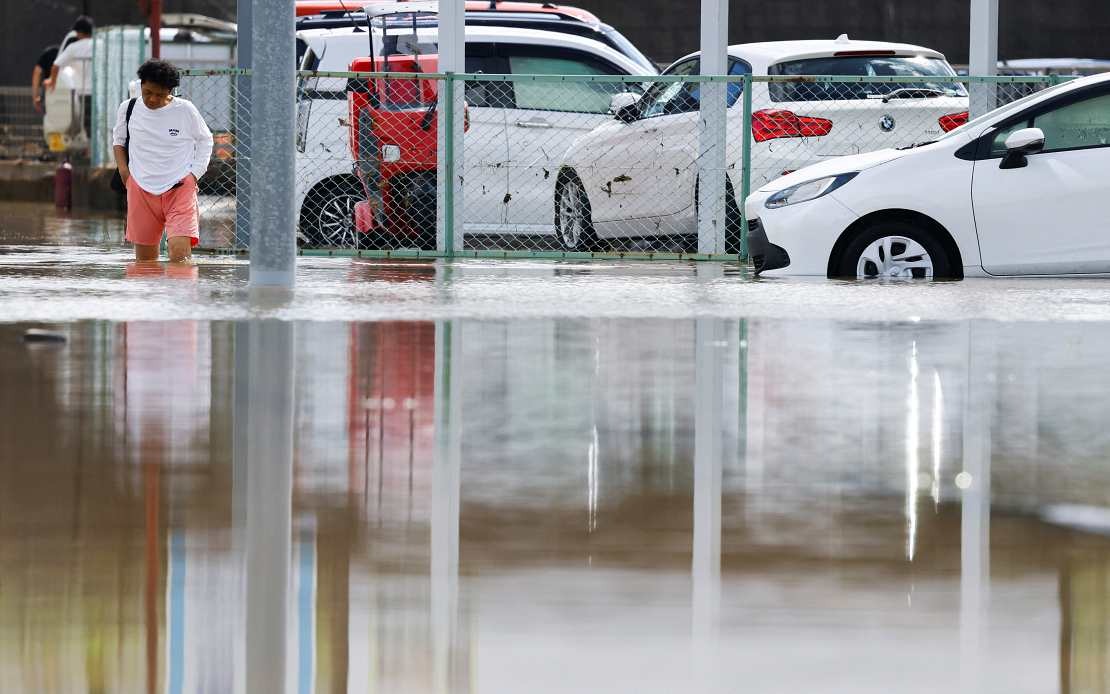
The Malaysian Embassy in Tokyo has issued a formal advisory urging citizens currently in Japan to minimise unnecessary travel and heighten their awareness of weather conditions following unprecedented rainfall that has unleashed severe flooding and major disruptions to transport infrastructure across Chiba Prefecture and nearby areas of the Kanto region. The cautionary guidance underscores growing concern over the humanitarian impact of the extreme weather event that has affected one of Japan's most densely populated regions.
The scale of the transportation crisis has proven substantial, with both road and rail networks experiencing significant damage and service interruptions. Narita International Airport, one of Asia's major aviation hubs serving the Tokyo metropolitan area, became a focal point of the disruption when approximately 7,000 travellers found themselves stranded after flooding compromised crucial access routes to the facility. Many of these stranded passengers were forced to remain overnight at the airport while authorities worked to restore connectivity.
The toll of the disaster has been significant, with at least eight fatalities reported across the affected areas according to Kyodo News. The Japan Meteorological Agency, recognising the severity of the situation, declared its highest Level 5 rainfall warning—the most critical category in its alert system—for more than one-third of the municipalities throughout Chiba Prefecture, the prefecture directly adjacent to Tokyo. This designation indicates that rainfall of unprecedented intensity was occurring and posed an extreme and imminent threat to life and property.
The scale of the evacuation response reflects the perceived danger to residents in the affected zones. At its peak, evacuation orders were issued affecting more than 400,000 people across the region, requiring them to leave their homes and relocate to designated shelters or higher ground. Such large-scale evacuations place tremendous strain on emergency services, accommodation facilities, and local authorities, and indicate the breadth of the geographic area impacted by the deluge.
For Malaysians residing or temporarily present in Japan, the Embassy's guidance emphasises several precautions to minimise risk during this period of climatic instability. Citizens have been instructed to maintain distance from areas prone to flooding or naturally situated at lower elevations, where water accumulation poses the greatest hazard. The advisory specifically encourages constant monitoring of announcements from Japanese authorities regarding evacuation procedures, weather developments, and transport service resumption, recognising that situational awareness is crucial during rapidly evolving natural disasters.
To assist Malaysians in accessing reliable meteorological information, the Embassy directed citizens to consult the Japan Meteorological Agency's English-language website at www.jma.go.jp/jma/indexe.html for current weather updates, warnings and technical advisories. This recommendation provides a direct pathway to authoritative information published in English, reducing barriers to understanding critical safety information for non-Japanese speakers.
The Embassy has established multiple communication channels for Malaysians requiring emergency assistance during the crisis. The primary contact number during standard business hours is +81-3-3476-3840, enabling citizens to reach consular staff during the working day. For situations requiring urgent assistance outside regular office hours, an emergency hotline has been designated at +81-70-1471-9756, ensuring that Malaysian nationals can access immediate support regardless of the time of day.
Beyond telephone communication, the Embassy has provided alternative contact methods to accommodate different preferences and circumstances. Citizens may submit enquiries or requests for assistance via email through two dedicated addresses: [email protected] for general consular matters and [email protected] for additional correspondence. This multi-channel approach ensures that Malaysian nationals separated from their families, facing transport complications, or requiring consular services can establish contact through their preferred medium.
The flooding in Chiba Prefecture carries broader implications for Malaysia's diaspora in Japan, estimated at several hundred thousand individuals across the country. Many Malaysians work in the Kanto region through various employment arrangements, ranging from corporate assignments to skilled trades and hospitality positions. The disruption demonstrates the vulnerability of expatriate communities to natural disasters in their host countries and highlights the importance of maintaining awareness of local emergency protocols and maintaining regular communication with diplomatic representatives.
For Malaysian travellers planning visits to Japan in the coming weeks, the situation underscores the necessity of monitoring weather forecasts and considering travel insurance that covers weather-related disruptions. The Kanto region remains one of Japan's most visited areas due to Tokyo's status as a major tourist destination, and such extreme weather events, while infrequent, can unexpectedly disrupt itineraries and require flexibility from visitors.
The Embassy's coordinated response reflects the importance of diplomatic missions in providing timely guidance to nationals during crises. By consolidating information from Japanese authorities and presenting it in accessible language to Malaysian citizens, the Embassy helps ensure that community members understand their obligations and available protections. This advisory-issuing function represents a core responsibility of diplomatic missions, particularly when circumstances endanger the safety of nationals abroad.

