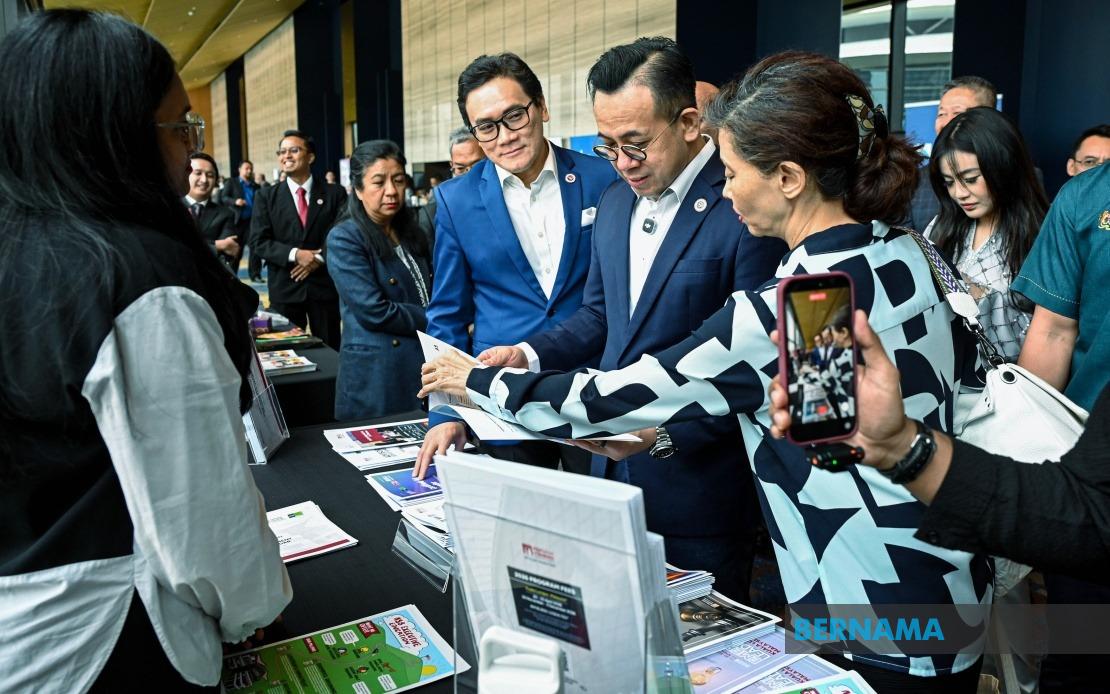
The Malaysian government is pushing a strategic pivot in how the nation's businesses compete globally, with Entrepreneur and Cooperatives Development Minister Steven Sim urging companies to anchor their strategies on innovation, quality and genuine value creation rather than competing on price alone. Speaking at the BrandQuest 2026 programme and National Mark of Malaysian Brand Appreciation Ceremony in Kuala Lumpur, Sim outlined a vision that moves beyond Malaysia's traditional manufacturing-for-export model toward a more sophisticated economy where local enterprises design and create their own original products.
The philosophical shift Sim articulated represents a fundamental reimagining of Malaysia's economic identity on the global stage. For decades, the nation has built its reputation as a reliable manufacturing hub, producing goods for international brands under contract arrangements. This "Made in Malaysia" approach generated employment and foreign exchange but kept local businesses subordinate in global value chains. The new vision, termed "Made by Malaysia," seeks to elevate domestic companies to the position of original creators and innovators, a transition that carries profound implications for wage growth, skill development, and long-term economic resilience in Southeast Asia.
The minister emphasised that establishing quality, safety and health as non-negotiable standards would distinguish Malaysian products in an increasingly crowded and competitive marketplace. This focus reflects recognition that emerging markets cannot simply undercut developed economies on labour costs indefinitely. Instead, Malaysian companies must cultivate brand equity through demonstrated reliability and superior product attributes. For Malaysian consumers and regional partners, this philosophy promises access to higher-quality domestically-produced goods that can compete on merit with imported alternatives, potentially strengthening local purchasing power and reducing dependence on foreign manufacturers.
To support this transition, the government has allocated RM230,000 through SME Corp to assist micro, small and medium enterprises in obtaining National Mark of Malaysian Brand certification during 2025 and 2026. This targeted funding mechanism has already benefited approximately 40 businesses in their certification efforts, providing tangible encouragement for companies taking the difficult step of pursuing independent brand development. Sim indicated that the ministry will evaluate whether increased allocation becomes necessary as more enterprises recognise the competitive advantages of formal brand certification and quality assurance.
Beyond certification support, the government has deployed substantial capital through the Power Up 10K financing programme to strengthen the entrepreneurial ecosystem. As of July, this initiative had channelled RM9 billion in financing to roughly 250,000 entrepreneurs nationwide, representing solid progress toward the RM15 billion target set for the year. This massive mobilisation of credit demonstrates the government's serious commitment to providing Malaysian businesses with the financial resources necessary to invest in innovation, equipment, research and development, and market expansion. For regional observers, the scale of this intervention indicates Malaysia's determination to cultivate a thriving domestic business sector capable of generating high-value exports.
The ministry's recognition programme awarded the Malaysian Brand Heritage Award to five companies in acknowledgment of their sustained commitment to building and maintaining competitive, quality-focused Malaysian brands. Seasonings Specialties Sdn Bhd, Passive Fire Protection Sdn Bhd, Goodnite Sdn Bhd, Halagel (M) Sdn Bhd and Sydney Cake House Sdn Bhd received the honour, representing diverse sectors from food and beverages to industrial safety and hospitality services. These award recipients demonstrate that Malaysian brand excellence can emerge across multiple industries when businesses make strategic choices to prioritise quality and originality over volume and imitation.
The timing of this push toward innovation-driven branding reflects broader economic pressures facing Malaysia and its Southeast Asian neighbours. Regional competitors including Thailand, Vietnam and Indonesia are similarly upgrading their manufacturing capabilities and brand profiles. Without deliberate investment in original product development and quality standards, Malaysian companies risk being outcompeted by nimbler or lower-cost rivals. Sim's articulation of a clear strategic direction provides businesses with policy signals that the government recognises this challenge and is willing to allocate resources to address it.
The transition from contract manufacturing to brand ownership requires more than capital and certification programmes. It demands cultural and organisational change within Malaysian enterprises, many of which have operated successfully for years within the constraints of original equipment manufacturing relationships. Building original brands necessitates investment in research and development, marketing expertise, intellectual property protection, and customer relationship management. The government's multi-faceted approach through financing, certification support, and public recognition attempts to address these varied requirements simultaneously.
For multinational corporations sourcing from Malaysia and for regional trade partners, the shift toward higher-value original products creates both opportunities and challenges. Enhanced quality and innovation can strengthen Malaysia's attractiveness as a sourcing destination for discerning buyers. Simultaneously, Malaysian companies building their own brands may eventually compete directly with existing supply chain partners, creating more complex competitive dynamics. The government's vision essentially aims to move Malaysia up the value chain, a transition that will reshape the nation's economic relationships across the region.
Sim's emphasis on ensuring Malaysian businesses have adequate resources to "continue competing and progressing" reflects recognition that enabling conditions extend beyond individual firm decisions. Infrastructure, regulatory frameworks, access to capital, and government support all shape whether ambitious entrepreneurs can successfully execute innovation strategies. The minister framed resource provision as integral to the broader mission of making Malaysian businesses globally competitive, positioning government support as investment in national economic capability rather than mere subsidy.
The BrandQuest 2026 programme and associated certification initiatives represent concrete mechanisms through which the government's branding vision translates into actionable steps for participating enterprises. Rather than relying solely on exhortation, the ministry has created structured pathways enabling businesses to pursue formal brand recognition and obtain financial support. This combination of incentive structures and capacity-building support increases the likelihood that strategic messaging will generate meaningful behavioural change among eligible companies.
Looking forward, the success of this initiative depends substantially on whether Malaysian companies can overcome the organisational and market challenges inherent in brand building and whether consumer and commercial buyers will reward quality and innovation with purchasing decisions. The government has positioned itself as facilitator and enabler, providing capital, certification pathways, and public recognition. Ultimately, however, Malaysian entrepreneurs must execute effectively on these opportunities, investing in product development, marketing, and customer service with sufficient commitment to establish durable brand value in competitive international markets where established players possess substantial advantages.

