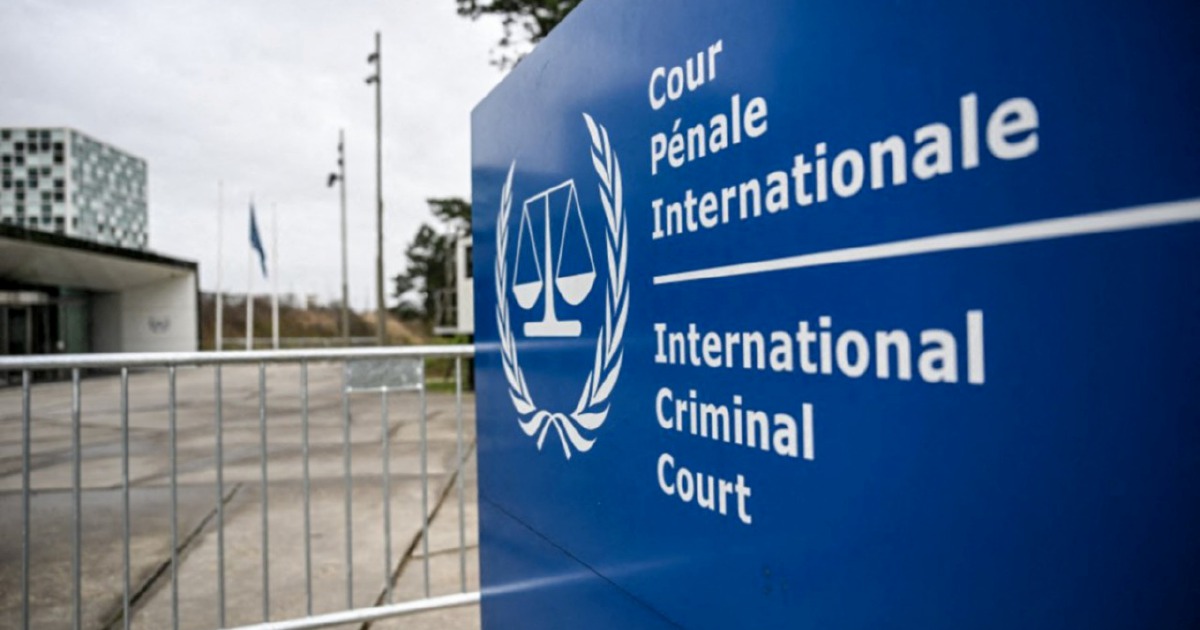
A Malaysian lawyer who brought serious allegations of sexual misconduct against International Criminal Court chief prosecutor Karim Khan has emerged publicly for the first time, using her voice to counter narratives she says have been weaponised and distorted since her identity remained shielded. Speaking to CNN, the woman rejected suggestions that her complaint was orchestrated by external actors seeking to undermine Khan's authority, particularly claims of Israeli involvement that have circulated since the allegations surfaced.
The decision to step forward represents a pivotal moment in a controversy that has roiled the ICC's leadership and raised uncomfortable questions about power dynamics and institutional accountability at the Hague-based tribunal. Until now, her identity had been protected, yet she contends that anonymity became a liability when others filled the void with speculation and alternative explanations that served their own agendas. The timing of her public statement appears strategic, reclaiming control of her narrative at a juncture when her account risks being overshadowed by geopolitical intrigue.
Allegations of this magnitude carry particular weight in the context of international justice mechanisms, where the credibility of prosecutors underpins the legitimacy of investigations into war crimes, crimes against humanity, and genocide. Khan's office has faced mounting scrutiny, particularly given the ICC's involvement in examining potential crimes in Gaza and Ukraine. Any erosion of confidence in the prosecutor's integrity reverberates across the institution's standing and its capacity to conduct impartial investigations without appearing subject to political influence or personal misconduct.
The denials regarding Israeli involvement touch on a sensitive geopolitical fault line. Critics of Khan have suggested his willingness to open investigations into Israeli conduct in Gaza undermines the legitimacy of such inquiries, while supporters of enhanced ICC action contend that allegations against him represent an attempt to discredit and remove a prosecutor willing to examine powerful states. The Malaysian lawyer's rejection of these linkages aims to recenter the focus squarely on the substance of her allegations rather than allowing them to be reinterpreted as part of a larger strategic play.
For Malaysia and the broader Southeast Asian region, the case holds resonance beyond the immediate institutional drama. The ICC's legitimacy depends partly on perceptions of fairness and independence from powerful nations. If concerns arise that prosecutors might face coordinated attempts to undermine investigations into powerful states' conduct, confidence in the institution's ability to serve as a forum for accountability diminishes. This dynamic matters to countries in the region that may one day rely on the ICC's machinery for justice, or conversely, might find themselves subject to investigation.
The emergence of the complainant also raises structural questions about how organisations handle allegations involving senior figures. Her account suggests that anonymity, typically extended to protect complainants from retaliation or unwanted public scrutiny, became problematic when it allowed countervailing interpretations to flourish unchecked. This dilemma echoes broader institutional challenges: how to protect complainants while ensuring that allegations receive fair assessment without becoming vehicles for larger political narratives.
Khan's position as prosecutor carries extraordinary influence. The ICC, whilst nominally independent, operates within a politically complex environment where permanent Security Council members hold leverage, and where states subject to investigation may deploy various tactics to undermine investigations. Allegations that a prosecutor himself engaged in misconduct strike at the heart of institutional integrity. If sustained, they could prompt reform of oversight mechanisms and vetting procedures for senior positions. If ultimately unsubstantiated, they illustrate how institutions remain vulnerable to destabilisation through unverified claims.
The Malaysian lawyer's decision to identify herself publicly signals confidence in her account and frustration at having her credibility challenged through anonymous speculation. By stepping into the light, she assumes certain risks—loss of privacy, potential counter-allegations, scrutiny of her professional standing—yet gains the ability to speak in her own voice and context. Her testimony becomes less susceptible to being reshaped by others with different motives and interests.
The ICC's response to these allegations, and the thoroughness of any investigation into them, will likely influence perceptions of how the institution handles misconduct allegations at the highest levels. The precedent matters: if the ICC can be seen to investigate its own leadership impartially, it strengthens claims of institutional integrity. Conversely, if processes appear compromised or expedited based on political pressure, concerns about institutional independence deepen.
Moving forward, the case presents the ICC with a test of its internal governance structures and commitment to accountability. Beyond the specific facts of the allegations themselves, the broader question concerns whether an international institution dedicated to fighting impunity can convincingly apply that principle to its own leadership. For Malaysia and other nations invested in effective international justice mechanisms, the resolution of this matter carries implications extending well beyond The Hague.

