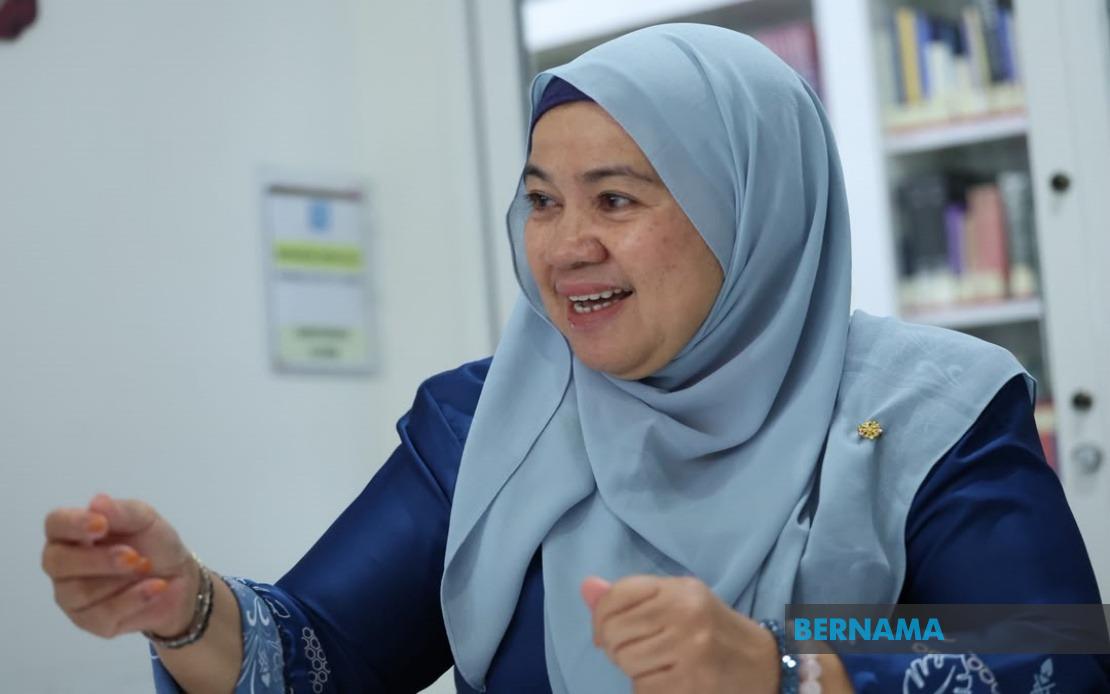
The Librarians Association of Malaysia (PPM) has embarked on an ambitious agenda to elevate the standing of library professionals within the country's workforce, signalling a broader recognition that the librarian profession requires institutional backing and structured pathways for advancement. Newly elected PPM president Hasnita Ibrahim outlined the multi-faceted strategy during remarks to state news agency Bernama, underscoring the need for cooperation between professional bodies, government departments, and educational institutions to achieve meaningful progress in this long-neglected area of professional development.
The push for stronger recognition comes at a pivotal moment when libraries themselves are being redefined by technological disruption and shifting public expectations about information access. Rather than merely seeking prestige or improved remuneration, PPM's approach focuses on demonstrating how formal professional credentialing can strengthen public trust in librarians as reliable navigators of an increasingly complex information landscape. Ibrahim emphasized that such recognition would not be merely symbolic; it would enforce higher standards of competency, create transparent mechanisms for career progression, and ultimately improve the service librarians provide to communities across Malaysia.
A critical component of the initiative involves studying how neighbouring ASEAN nations have structured professional recognition for librarians, then adapting those models to fit Malaysia's institutional context and governance structures. This comparative approach acknowledges that Malaysia need not reinvent solutions that have already proven effective elsewhere in the region, while allowing room for customization based on local conditions. The involvement of the Public Service Department signals PPM's recognition that meaningful change requires engagement with the machinery that regulates professional standards within government—a necessary but often slow process that may take years to yield results.
Central to PPM's vision is a reconceptualization of what modern librarians actually do. Rather than the stereotypical image of quiet custodians of physical collections, Ibrahim positioned librarians as data verification experts, information security specialists, and crucially, as educators who can help ordinary Malaysians navigate the hazards of misinformation, artificial intelligence-generated content, and unverified online sources. This repositioning is not merely marketing rhetoric; it reflects genuine skill expansion that the profession has already undergone, often without formal recognition. In an era of deepfakes, algorithmic manipulation, and information warfare, such expertise becomes genuinely valuable to democratic institutions and informed citizenship.
The association's continuing professional development strategy addresses the specific technical competencies that will matter most in coming years. Training programmes will prioritize data analysis, digital metadata management, information security, and artificial intelligence literacy—domains where librarians increasingly operate but where their expertise often goes unacknowledged compared to IT specialists or data scientists. By systematizing training and offering formal certification in these areas, PPM aims to establish librarians as credentialed professionals rather than generalists, elevating their market position and institutional influence.
Community digital literacy represents another pillar of the agenda, with particular attention to underserved populations including young people, senior citizens, and women. This initiative acknowledges that professional recognition must be grounded in demonstrable public benefit; librarians who successfully equip Malaysians with skills to evaluate online sources and protect themselves from cyber threats deliver tangible social value that justifies institutional investment. Such programmes are especially timely given Malaysia's ongoing struggles with misinformation and digital divide issues that disproportionately affect rural and lower-income communities.
The "Library Without Walls" concept signals a recognition that physical library buildings, while important, cannot be the sole platform for librarian expertise in the digital age. Expanding access to remote digital services allows librarians to reach Malaysians who lack convenient access to traditional library facilities, effectively multiplying their reach and demonstrating relevance to policymakers evaluating budget allocations. This modernization is essential for maintaining libraries' position as essential public institutions rather than declining cultural artifacts.
PPM's coordination with the Department of Skills Development to expand Malaysian Skills Certificate courses for library assistants suggests a pyramid approach to professional development—strengthening entry-level credentials while simultaneously elevating advanced positions. This comprehensive strategy addresses the full spectrum of library workforce development, from foundation qualifications through to specialized professional expertise. Government support for such programmes would signal official endorsement of librarians as skilled professionals deserving of formal recognition within public service frameworks.
Hasnita's appointment as PPM president for the 2026-2028 term brings extensive experience to the leadership role, as she brings more than thirty years of professional background including current responsibilities as senior digital library manager at Bernama. Her predecessor, Dr Ghazali Mohamed Fadzil, completed two successful terms from 2022 to 2026, suggesting some institutional continuity even as new priorities are advanced. The timing of this leadership transition coincides with growing global attention to information literacy and the roles institutions like libraries play in countering misinformation—potentially creating favourable conditions for the recognition agenda.
The association actively solicits strategic partnerships and industry sponsorships for programmes combining literacy development with technological innovation, recognizing that professional advancement requires resource mobilization beyond what voluntary associations can typically generate. Such partnerships also create multiple touchpoints for demonstrating librarian value to corporate and non-profit sectors, potentially creating alternative career pathways beyond traditional government employment.
The Malaysian Library Conference 2026, scheduled for September 22-24, will serve as a major venue for deliberating this agenda further, suggesting that PPM is planning for sustained engagement with these issues rather than viewing them as matters for quick resolution. This multi-year commitment reflects the realistic understanding that transforming professional standing within established institutions requires patient relationship-building, evidence accumulation, and political coalition-building. For Malaysia's library sector, the implications extend beyond individual career advancement to broader questions about how the nation invests in information infrastructure and supports public knowledge systems in an age of digital transformation.

