Malaysia's high-profile corruption cases and an upcoming state election are reshaping the nation's political narrative, with fresh developments emerging across multiple fronts this week. The most significant legal milestone came when the High Court scheduled the full trial of a US$346 million suit against former prime minister Najib Razak's wife Rosmah Mansor to begin in June 2027, with a critical Mareva hearing set for September 28 this year. The case stems from allegations connected to the sprawling 1Malaysia Development Berhad scandal that has defined Malaysian politics for nearly a decade, and its progression signals that accountability mechanisms remain active despite the complexities involved in pursuing figures connected to the scheme.
Denials and counter-claims continue to dominate government messaging as authorities distance themselves from controversial figures. The administration explicitly refuted allegations that fugitive financier Jho Low had recently entered Malaysian territory to discuss terms for repaying outstanding 1MDB obligations, underscoring the sensitivity surrounding any potential negotiations with individuals wanted in connection with the fund's misappropriation. Separately, Prime Minister Anwar Ibrahim addressed speculation about government vehicle purchases, categorically dismissing claims that he had acquired a new BMW for personal use, a statement that reflects how even routine procurement decisions can attract scrutiny in an environment where expenditure transparency remains a live political concern.
Court revelations have intensified questions about the intersection between political allegiances and government contracts. Evidence presented during proceedings this week indicated that a company linked to former prime minister Muhyiddin Yassin had secured a RM141 million government contract, a disclosure that raises questions about how tender processes operate when connected parties are involved. This development feeds into broader anxieties about whether competitive procurement frameworks are functioning equitably and whether political networks continue to wield disproportionate influence over public resources, matters that resonate particularly strongly among voters concerned about governance standards.
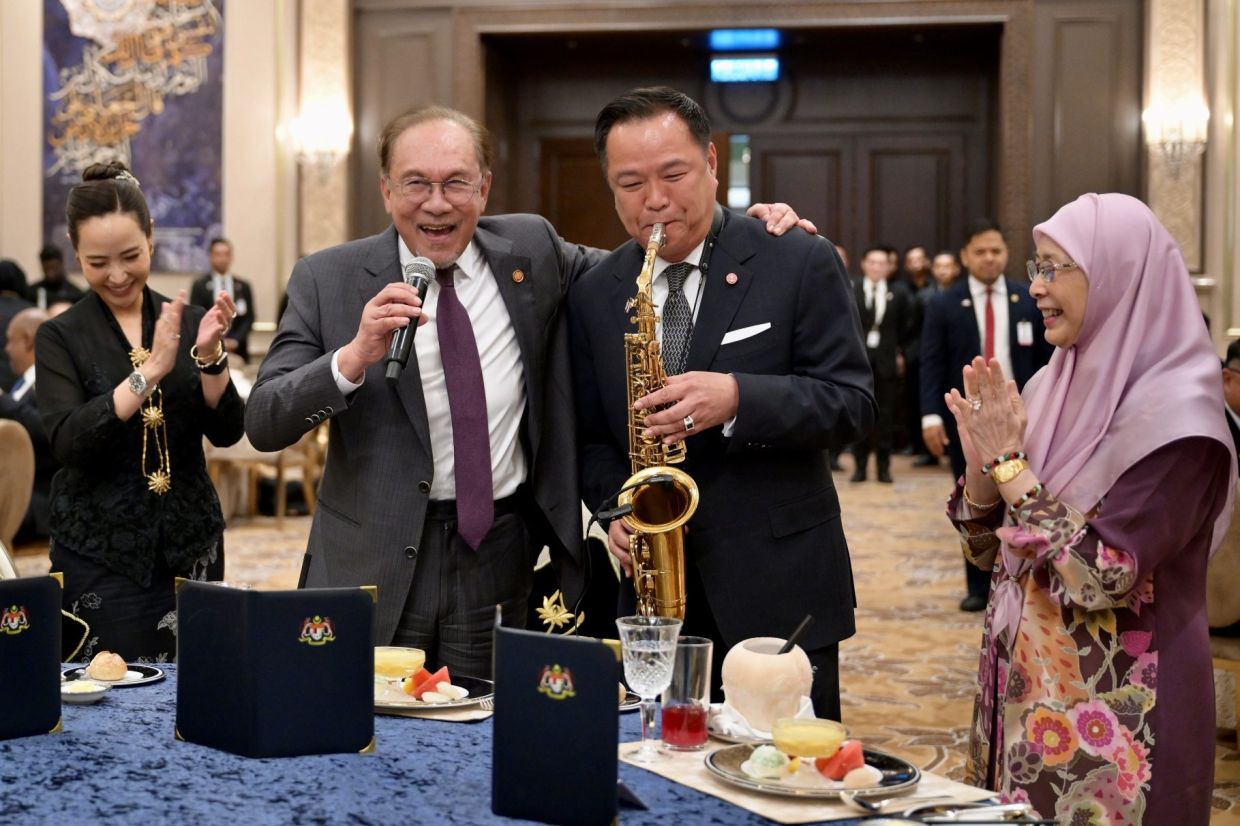
The Johor state election campaign has become increasingly acrimonious, with competing coalitions deploying contrasting rhetorical strategies. Opposition coalition Pakatan Rakyat candidates face allegations of employing fear-based messaging according to Barisan Nasional's Khairy Jamaluddin, who insists his coalition maintains independence from any particular political grouping, a claim designed to reassure moderate voters. Meanwhile, Bersatu leaders argue that preventing Barisan from securing a supermajority in the state assembly remains essential for maintaining proper checks and balances on executive authority, articulating a case for coalition management even within a broader political realignment. Thai Foreign Minister Anutin Charnvirakul added an international dimension by extending best wishes to Prime Minister Anwar regarding the Johor contest, a gesture underscoring regional interest in Malaysian electoral outcomes.
Election logistics are receiving creative attention as political organisations seek to mobilize supporters efficiently. Civil society groups are offering complimentary bus transportation for voters, while the Malaysian national railway operator has doubled train capacity to accommodate anticipated demand, measures that acknowledge both the heightened participation expected and the need to facilitate voter turnout across the state. Such initiatives reflect how electoral administration has evolved to encompass coordination among multiple stakeholders beyond formal government structures.
Economic governance matters have produced their own complications. The Ministry of Finance disclosed that the government's total financial obligation regarding 1MDB now stands at RM51.4 billion, a figure that underscores the ongoing fiscal commitment required to manage the fallout from the scandal's exposure. Additionally, a company previously linked to the Spanco vehicle contract has faced delays in fulfilling delivery schedules, prompting parliament's Public Accounts Committee to recommend that authorities renegotiate terms, a call that reflects parliamentary oversight mechanisms operating to scrutinize procurement performance.
Peripheral political developments reveal the diversity of issues occupying lawmakers' attention. Perlis state leaders resigned from their positions within Bersatu's supreme council to concentrate on state-level responsibilities, a move suggesting that organizational roles can conflict with local governance priorities. Prime Minister Anwar also reaffirmed government commitment to equitable development distribution across states regardless of their political leadership, responding to concerns that federal support might be weighted toward coalition-aligned jurisdictions. The administration is proceeding with Early School Aid disbursements to over 96,000 Form Six students, continuing social support programmes that constitute measurable benefits for households.
Religious and cultural matters intersected with governance during the week. Selangor shopping centres announced a temporary suspension of Friday prayer facilities, a decision that sparked discussion about managing religious observance in commercial spaces during periods of operational transition. Separately, representatives of Malaysia's Indian community credited the government with facilitating the restoration of cultural and religious properties under what they characterize as the Madani governance framework, a claim designed to demonstrate inclusive policymaking toward minority constituencies.
Law enforcement initiatives have expanded their focus toward financial crime and social order concerns. Anti-corruption authorities moved forward with prosecutorial recommendations against 69 individuals implicated in fraudulent PERKESO grant applications, signalling enforcement action against welfare scheme abuse. Police simultaneously targeted World Cup betting operations that flourished during the sporting calendar, conducting raids that resulted in eleven arrests and disrupted organized gambling networks. Separately, authorities arrested an individual for threatening an online content creator during a livestream, reflecting how social media platforms have become venues for criminal conduct requiring law enforcement intervention.
International engagement produced tangible outcomes on fisheries management, with Prime Minister Anwar announcing that outstanding maritime disputes between Malaysia and Thailand have been satisfactorily resolved, enabling both nations to focus on cooperative frameworks rather than contentious resource allocation. Meanwhile, fuel supply assessments indicate no anticipated shortages until December, providing reassurance about energy security despite global commodity volatility.
Smaller but revealing developments round out the week's political narrative. Business owners who publicly showcase expensive acquisitions through social media platforms are now attracting scrutiny from law enforcement agencies investigating potential money laundering operations, signalling that authorities recognize lifestyle inflation publicized through digital channels as a potential indicator of illicit financial activity. A senior citizen requiring emergency rescue from a locked residence in Kuala Lumpur highlighted community safety concerns, while a suspect in a Banting stabbing case who allegedly escaped by jumping from a school building underscored ongoing public safety challenges requiring police attention.

