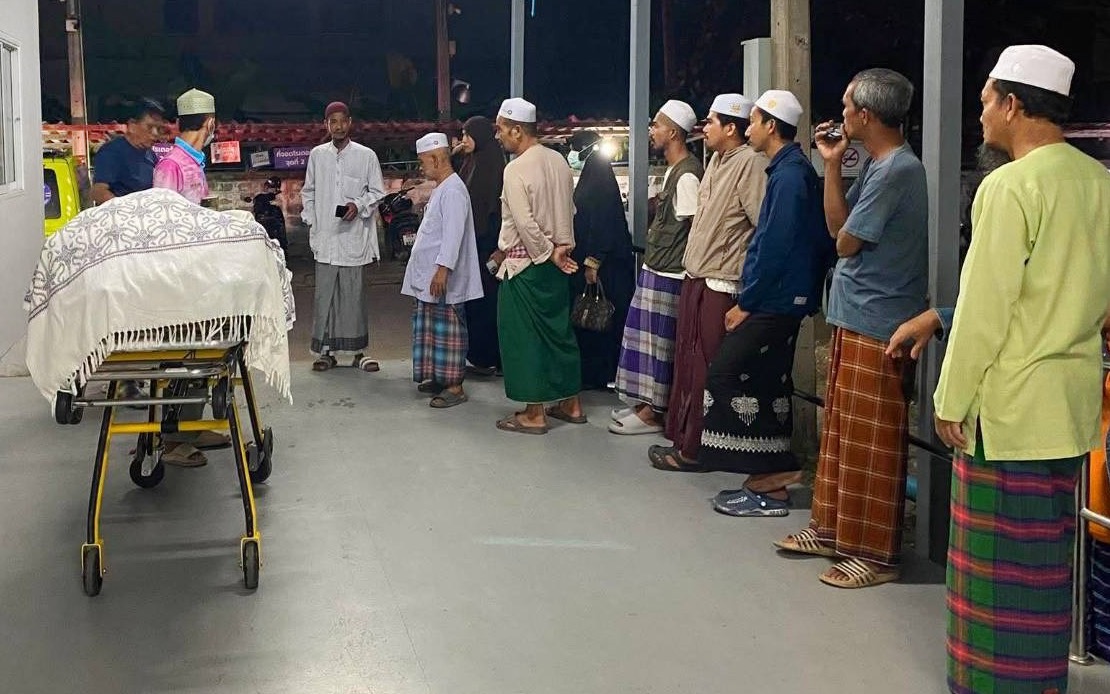
A tragic motorcycle accident in Thailand's Yala province has claimed the life of a young Malaysian student and left his companion fighting for survival in hospital. The incident occurred on Saturday afternoon in the Bannang Sareng area of Mueang Yala district, drawing the attention of both Thai authorities and Malaysian diplomatic officials who are now coordinating assistance for the victims' families.
According to Mueang Yala Police Chief Col Chatchai Sakdee, the motorcycle lost control before colliding with an electricity pole along the roadside. The 20-year-old pillion rider, a resident of Perlis, sustained severe head injuries that proved fatal, and he was pronounced dead at the scene. The tragedy underscores the persistent road safety challenges faced by travellers on Thai highways, where infrastructure hazards such as roadside poles remain a significant risk factor in serious accidents.
The motorcycle's operator, a 22-year-old from Kuala Kedah in Kedah state, suffered life-threatening injuries in the same collision. He has been admitted to the Intensive Care Unit at Yala Central Hospital, where medical staff continue to provide emergency treatment. As of the latest reports, the injured rider remained unconscious, with medical personnel monitoring his condition closely. His recovery prospects remain uncertain given the severity of the impact.
Investigations by Thai police indicate that a loss of control of the motorcycle constituted the primary cause of the accident, though the precise circumstances leading to this loss of control have not yet been fully documented. Thai authorities have indicated they are continuing to examine the evidence and gather witness statements to establish a comprehensive account of what transpired in those critical moments before the crash.
Both victims were students at Pondok Padang Pusu, an Islamic boarding institution located in Yarang District, Pattani province. The two Malaysians were en route to the pondok when the accident happened, suggesting they were commuting on what should have been a routine journey. The institution is known for its focus on Quranic memorisation programmes, attracting students from Malaysia and across the region who seek intensive Islamic education.
The Malaysian Consulate in Songkhla, which serves the southern Thai provinces, has officially confirmed the nationality and identities of both individuals. Consular staff have begun preliminary coordination efforts, though they emphasised that they are still awaiting contact from the families of both victims to proceed with formal documentation and repatriation procedures. This notification process often takes time, particularly when accidents occur in remote areas or when family members are not immediately informed.
The death represents another sobering reminder of the hazards faced by Malaysian students and workers who cross into Thailand for education, employment, or commerce. Yala province, while home to several Islamic educational institutions that attract Malaysian learners, has experienced a complex security situation in recent years that demands heightened awareness from visitors. Road accidents, however, remain a more common cause of injury and death among foreign travellers than the security issues that dominate regional headlines.
The incident also highlights ongoing concerns about motorcycle safety standards and rider awareness in the region. Both riders and passengers in Southeast Asia face elevated risks compared to developed nations, owing to a combination of factors including inconsistent helmet use, variable road maintenance standards, and differing traffic enforcement regimes across borders. The presence of unprotected obstacles such as electricity poles adjacent to roadways adds an additional layer of danger that could potentially be mitigated through improved road design and safety infrastructure.
For the Malaysian diplomatic mission, this case represents one of several incidents involving citizens abroad that require coordinated responses. The consulate's role extends beyond ceremonial functions to encompassing critical support during emergencies, including facilitating communication between bereaved families and Thai medical and legal authorities, ensuring proper documentation of the deceased, and coordinating repatriation arrangements in accordance with both Malaysian and Thai regulations.
The broader context of Malaysian students studying in Thai Islamic institutions reflects long-standing educational and religious ties between the two nations. Thousands of Malaysian students attend various pesantren and pondok institutions throughout Thailand, particularly in Pattani, Yala, and Narathiwat provinces. While such cross-border education enriches cultural and religious understanding, it also exposes young people to travel risks that require careful management through safety awareness and proper travel protocols.
For the Malaysian student community in Thailand, this tragedy will likely prompt renewed discussions about safety measures, insurance coverage, and emergency protocols. Educational institutions on both sides of the border may review their student welfare programmes and communication systems to ensure that families can be rapidly notified of emergencies. The incident serves as a cautionary tale about the importance of defensive driving, proper use of safety equipment, and awareness of local road conditions and hazards.

