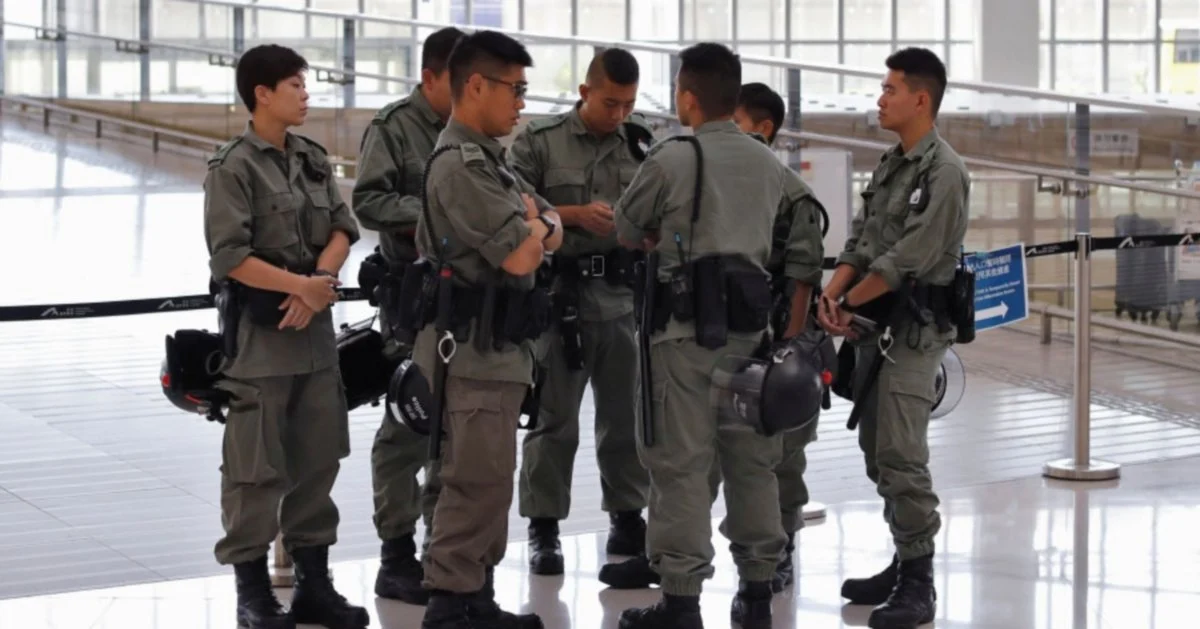
A Malaysian teenager has been taken into custody at Hong Kong International Airport after authorities discovered a substantial quantity of cannabis concealed in his luggage during security screening on July 9. The 19-year-old was apprehended when customs officials detected the illicit consignment, consisting of 3kg of cannabis buds, during routine baggage inspection procedures at the airport's border control checkpoint.
The incident underscores an ongoing concern regarding drug trafficking through major transportation hubs in the Asia-Pacific region, where young individuals are frequently exploited or coerced into transporting narcotics across international borders. Hong Kong International Airport, one of the world's busiest aviation facilities serving over 100 million passengers annually, remains a critical interception point for enforcement agencies combating the movement of controlled substances through the region.
The scale of the seizure—3kg of cannabis buds—indicates this was not a minor possession matter but rather pointed to a potential smuggling operation. Such quantities significantly exceed personal consumption limits in virtually all jurisdictions and typically suggest involvement in wider distribution networks or trafficking arrangements. Malaysian authorities and Hong Kong enforcement agencies now face the task of determining whether the teenager was acting independently or as part of an organized smuggling syndicate with operations spanning multiple countries.
This arrest occurs against a backdrop of escalating drug enforcement activity across Southeast Asia, where authorities have intensified surveillance at airports and border crossings. The region has become an increasingly critical battleground in the global war on drugs, with traffickers constantly adapting their methods to circumvent detection technology and human screening protocols. Young offenders often become targets for recruitment by organized crime groups, who exploit their naivety and financial desperation.
Malaysia itself maintains exceptionally stringent drug laws, with trafficking in controlled substances carrying severe penalties including lengthy imprisonment and, in certain cases involving large quantities, mandatory death sentences. The discovery that a Malaysian national was attempting to transport significant quantities of cannabis through Hong Kong raises questions about how young people are being recruited into these illicit networks and what vulnerabilities make them susceptible to coercion or inducement.
The arrest also reflects the practical challenges Hong Kong authorities face in maintaining border security at one of Asia's premier international gateways. Customs and security personnel must process hundreds of thousands of passengers and tonnes of baggage daily whilst remaining vigilant for increasingly sophisticated concealment methods employed by traffickers. Detection of 3kg in a single piece of luggage represents both a successful interdiction and evidence that smugglers continue attempting high-volume operations through major airports.
For the accused teenager, the consequences could be catastrophic. If prosecuted under Hong Kong's drug trafficking legislation, sentences for possessing cannabis with intent to distribute can extend to many years imprisonment. Should authorities determine he was transporting the drugs for a criminal organization, aggravating factors could lead to substantially harsher penalties. Additionally, any conviction will permanently damage his prospects for employment, travel, and social integration.
The incident also carries implications for Malaysian families and their understanding of drug risks abroad. Young Malaysians studying, working, or travelling in Hong Kong and other international destinations may lack awareness of how easily they can be approached by traffickers or become entangled in illicit activities. Educational initiatives emphasizing the severe legal consequences and personal dangers of drug involvement remain inadequate in many communities.
Regional law enforcement agencies have noted that trafficking organizations increasingly target younger recruits from Southeast Asia, viewing them as expendable members of their supply chains. The strategy exploits limited legal knowledge, economic vulnerability, and sometimes desperate family circumstances. Each apprehension at a major transportation hub represents one attempt disrupted, but enforcement officials acknowledge that interdiction alone cannot address the underlying demand and supply dynamics fuelling these networks.
The case will likely proceed through Hong Kong's legal system, with Malaysian diplomatic officials potentially becoming involved in consular support and monitoring. The outcome will serve as another cautionary example of the very real dangers faced by young people who become involved in drug trafficking, intentionally or otherwise. For Malaysia, such incidents reinforce the need for comprehensive harm reduction strategies, youth education, and international cooperation in combating organized drug smuggling operations that threaten the region.

