Malaysia's Department of Information (JAPEN) is preparing a fresh approach to National Month and Malaysia Day festivities, rolling out interactive community programmes across the country designed to deepen patriotic engagement among Malaysians from all walks of life. The 2026 celebrations, dubbed HKHM2026, will feature a more modest yet content-rich framework compared to previous years, maintaining the spirit of national unity while operating within constrained resources. This measured strategy reflects a broader governmental shift toward sustainable, inclusive celebrations that prioritise meaningful community participation over large-scale spectacle.
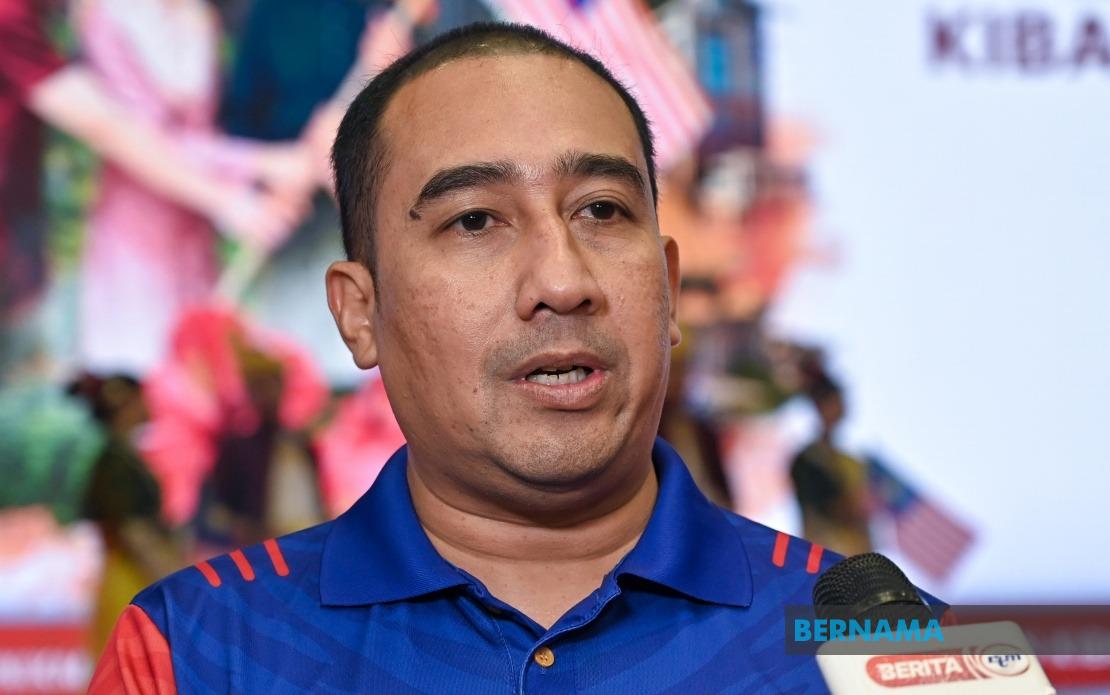
During a recent inspection of rehearsals in Ipoh, Muhammad Najmi Mustapha, director of the Department of Information's Communication Services and Community Development Division, outlined the comprehensive nature of programmes planned for the coming months. Mobile units will traverse the nation, establishing temporary hubs at strategic checkpoints, religious institutions, and sports complexes to bring the celebration directly to communities rather than requiring citizens to gather at centralised venues. This decentralised approach acknowledges geographic and socioeconomic disparities across Malaysia, ensuring that residents in smaller towns and rural areas experience the same patriotic messaging and engagement opportunities as their urban counterparts.
A cornerstone of this year's initiative is the expanded 1 House 1 Jalur Gemilang campaign, which now extends beyond its original seven implementation clusters to encompass two significant new categories: places of worship and sports premises. Previously, the campaign operated within industry, education, security, health, government agencies, higher education, and community sectors, focusing primarily on institutional environments. The inclusion of religious venues and athletic facilities represents a deliberate effort to embed national consciousness into the social spaces where Malaysians gather for spiritual reflection and recreational activity. By integrating the Jalur Gemilang into these intimate community settings, policymakers aim to cultivate patriotism as an organic expression of daily Malaysian life rather than a periodic governmental directive.
Distribution of Jalur Gemilang kits forms a tangible component of the outreach strategy, ensuring that households and institutions receive the national flag along with materials facilitating proper display and handling. Beyond distribution, JAPEN intends to provide financial or material contributions to participating places of worship, effectively acknowledging their role as community anchors while creating mutual investment in the celebrations. This reciprocal approach strengthens institutional relationships and positions religious leaders as partners in the patriotic agenda rather than passive recipients of government initiatives. The integration of flag-flying activities at these venues transforms what might otherwise seem a perfunctory administrative exercise into a communal event that draws broader participation.
The formal launch of HKHM2026 is scheduled to occur at Dewan Sri Perdana in Tanjung Rambutan, with Prime Minister Datuk Seri Anwar Ibrahim set to officiate proceedings. The ceremony carries particular symbolic weight, as it will feature the resumption of Jalur Gemilang hoisting by security forces—a tradition suspended for two years prior to this year's revival. This restoration signifies not merely a logistical change but a deliberate reassertion of state ceremonialism and institutional patriotic expression. The inclusion of a Merdeka Patriot Run as a morning highlight further signals the government's attempt to infuse traditional celebrations with contemporary wellness culture, appealing to younger demographics and health-conscious citizens who might otherwise view National Month observances as antiquated.
Prominent among the launch ceremony's components is the unveiling of the HKHM2026 theme song, which will serve as a cultural vehicle for patriotic messaging throughout the coming months. Such musical releases carry outsized influence in Southeast Asia, where popular songs rapidly achieve viral circulation through social media platforms. By coupling institutional patriotic campaigns with culturally resonant artistic expression, JAPEN leverages entertainment value to extend the reach and emotional impact of the national narrative. The song's eventual availability across streaming platforms and broadcast media will ensure persistent exposure in domestic and diaspora communities.
Media dissemination of the launch ceremony reflects contemporary information distribution strategies, with simultaneous live broadcasts scheduled across multiple digital and traditional platforms. Radio Televisyen Malaysia (RTM), the Malaysian National News Agency (Bernama), Merdeka360 Facebook Live, the Ministry of Communications, and JAPEN will provide real-time coverage commencing at 10 am, ensuring that Malaysians unable to attend physically can participate remotely. This multi-platform approach acknowledges the fragmented media consumption patterns of modern audiences, where no single channel guarantees comprehensive reach. The strategic deployment across state-controlled, semi-autonomous, and social media venues creates redundancy while maximising potential viewership among disparate demographic segments.
Expectations for physical attendance centre on approximately 3,000 participants, predominantly drawn from MADANI Community members representing regions throughout Malaysia. The MADANI framework—the government's socioeconomic development agenda—becomes embedded within patriotic celebration, merging national consciousness with developmental initiatives. This confluence signals that contemporary Malaysian patriotism, in official formulation, encompasses not merely flag-waving sentiment but active engagement with governmental developmental priorities and citizen-centric policy frameworks. The deliberate mobilisation of MADANI community representatives ensures that the launch attracts individuals predisposed toward government engagement, creating a controlled narrative environment while simultaneously suggesting grassroots participation.
For Malaysian observers, the 2026 National Month strategy represents a modest recalibration rather than fundamental reimagining of patriotic celebration. The expansion into religious and sporting venues reflects recognition that institutional patriotism, when disconnected from organic community spaces, risks perceived irrelevance among younger and more sceptical demographics. By embedding national consciousness into venues where Malaysians naturally congregate—mosques, temples, churches, football fields, and badminton courts—the Department of Information attempts to normalise patriotic expression as an ambient rather than episodic phenomenon. This approach aligns with global trends toward distributed, community-embedded national consciousness work, wherein state institutions increasingly collaborate with civil society organisations rather than monopolising patriotic messaging.
The moderate budgetary and logistical scale of HKHM2026, while potentially reflecting fiscal constraints, also communicates measured ambition appropriate to Malaysia's contemporary political-economic circumstances. Preceding years have witnessed occasionally extravagant national celebrations whose proportionality to citizen enthusiasm remained questionable. The deliberate adoption of restraint, coupled with expanded geographic and institutional reach, suggests governmental acknowledgment that patriotic authenticity emerges from widespread, modest engagement rather than concentrated, expensive spectacle. This philosophical shift, if sustained across subsequent years, could establish precedent for more fiscally sustainable national observances while potentially deepening community ownership of patriotic narratives.
For regional observers, Malaysia's approach to National Month 2026 offers modest insights into how Southeast Asian governments attempt to maintain cohesive national identity amid pluralistic societies, decentralised media landscapes, and generational shifts in civic engagement. The expansion of institutional clustering beyond traditional sectors acknowledges that contemporary nationalism requires embedding within the full spectrum of social institutions rather than concentrating solely within formal governmental or educational frameworks. As Malaysia implements these programmes across the coming months, their success or limitations will provide instructive lessons regarding the efficacy of distributed, community-embedded patriotic engagement strategies in multicultural, digitally connected societies.

