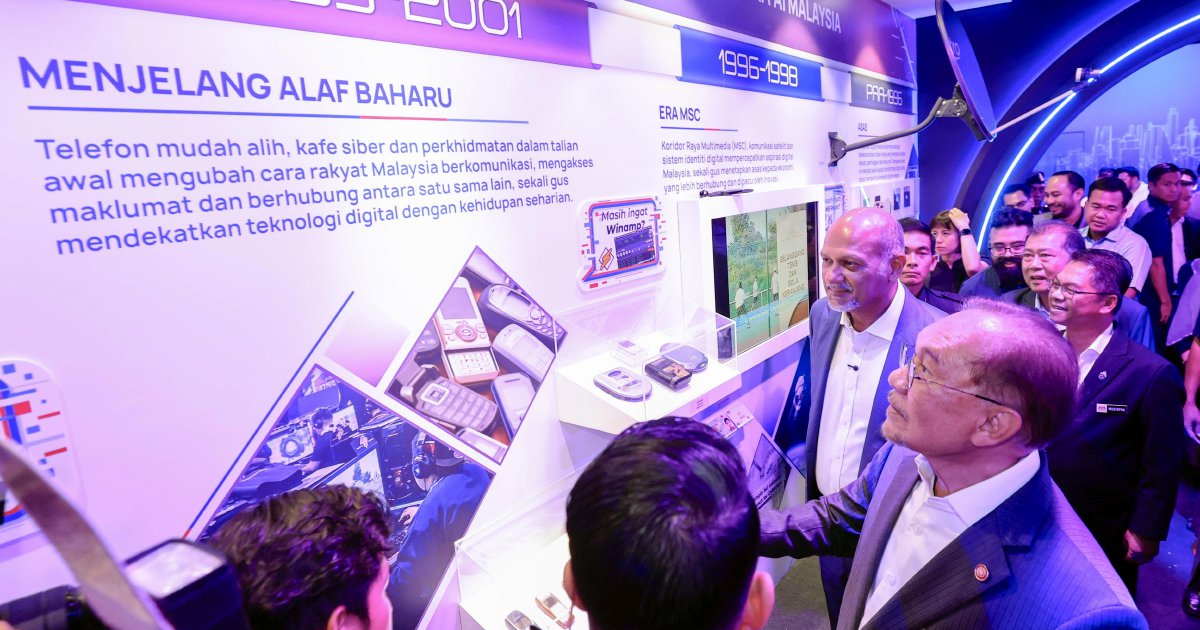
Prime Minister Datuk Seri Anwar Ibrahim has sounded an important cautionary note about Malaysia's ambitions to position itself as a regional artificial intelligence hub, stressing that technological advancement must not come at the expense of social equity. Speaking in Cyberjaya, the heart of Malaysia's digital infrastructure, Anwar underlined a critical challenge facing the country as it charts its path toward becoming an AI-driven economy: the risk of fragmenting society into technology haves and have-nots.
The warning reflects growing international concerns about how rapid AI adoption could exacerbate existing inequalities rather than alleviate them. As nations across Southeast Asia race to harness artificial intelligence's transformative potential, the distribution of benefits and opportunities has become a defining policy question. Malaysia's position as a developing economy with significant urban-rural divides makes this consideration particularly urgent, as disparities in digital infrastructure and skills development could widen dramatically if not carefully managed.
Anwar's remarks suggest that the government recognises a fundamental tension in its AI strategy. While positioning Malaysia as a competitive player in the global AI landscape is economically attractive, the pathway to that goal requires deliberate inclusive policies. Without such guardrails, ordinary Malaysians in less-developed regions or those without tertiary education may find themselves locked out of AI-driven opportunities, unable to adapt to technological shifts in their workplaces and industries.
The digital divide in Malaysia already manifests across several dimensions. Rural areas continue to lag behind urban centres in broadband infrastructure, devices remain unaffordable for lower-income households, and digital literacy varies considerably across demographic groups. These existing gaps provide a foundation upon which AI inequalities could easily build. If AI tools and systems become concentrated in the hands of well-resourced corporations and wealthy individuals while public sector initiatives remain underfunded, the cumulative effect could be a stratification of economic opportunity along technological lines.
Education and skills development emerge as critical leverage points in addressing this challenge. Malaysia's workforce will need reskilling and upskilling programmes to remain relevant as AI transforms labour markets. The government's ability to fund and distribute such training equitably across all regions and socioeconomic groups will largely determine whether AI adoption becomes a levelling force or a widening wedge. Without accessible coding bootcamps, digital literacy programmes, and AI-ready vocational training, entire communities risk obsolescence in a rapidly automating economy.
The Prime Minister's intervention also highlights governance questions about who sets the rules for Malaysia's AI future. If policymaking is dominated by tech-savvy elites and venture capital interests, there is a substantial risk that regulations will reflect their priorities rather than broader public interests. Conversely, meaningful consultation with workers' representatives, community groups, and civil society organisations could ensure that AI deployment considers welfare impacts, job protection measures, and support for displaced workers.
Regionally, Malaysia's cautious framing contrasts with how some neighbouring countries have approached AI adoption. While Singapore has aggressively pursued AI development and integration, and Indonesia grapples with even more severe digital divides, Malaysia appears to be attempting a middle path—ambition tempered by social consciousness. This positioning could actually yield a competitive advantage if executed well, potentially creating a model for responsible AI development that appeals to international partners concerned about ethical implementation.
Infrastructure investment forms another pillar of inclusive AI strategy. Expanding high-speed internet access to rural and semi-urban areas, subsidising device ownership for low-income groups, and establishing community digital centres could provide the foundation upon which broader AI literacy and opportunity might rest. These investments require substantial budgetary commitments, yet without them, talk of an inclusive AI transformation rings hollow to communities facing continued connectivity gaps.
Private sector coordination will also be essential. Major Malaysian companies operating across sectors from finance to manufacturing to agriculture increasingly depend on AI capabilities. How these organisations approach workforce transition, whether they invest in local talent development, and whether they partner with educational institutions to align training with actual labour market needs will significantly influence how equitably AI benefits are distributed. Government incentives or regulatory frameworks could encourage corporate investment in inclusive AI practices.
Anwar's warning also implicitly recognises that a divided society undermines long-term economic stability and growth. When segments of the population feel left behind by technological change, they may resist further innovation, withdraw from economic participation, or demand protectionist policies that ultimately harm competitiveness. Conversely, an inclusive AI transition that lifts multiple segments of society creates political stability and broader buy-in for continued transformation.
The challenge ahead requires Malaysia to advance simultaneously on multiple fronts: maintaining AI competitiveness, expanding digital infrastructure, building workforce capabilities, establishing inclusive governance processes, and fostering corporate responsibility. This multifaceted approach is more complex than simply unleashing market forces or pursuing top-down technological adoption, yet the Prime Minister's remarks suggest the government understands that the cost of failure is social fragmentation.
For Malaysian policymakers, the coming months will be critical. Concrete measures translating Anwar's rhetoric into funded programmes, infrastructure commitments, and regulatory frameworks will demonstrate whether this warning represents genuine policy commitment or merely aspirational language. Regional observers and Malaysian citizens alike will be watching to see whether the nation can navigate the AI transition in a manner that truly serves all Malaysians, not merely those already positioned to benefit from technological disruption.

