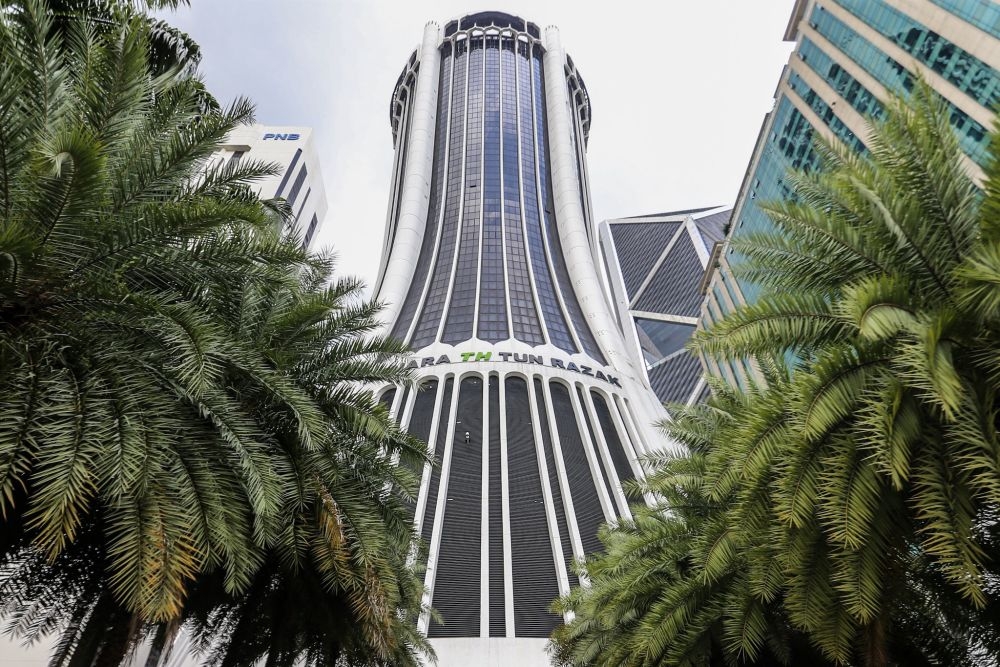
Malaysian enforcement agencies have shifted into higher gear following the tabling of a Royal Commission of Inquiry report that detailed systemic irregularities at Tabung Haji, the country's Islamic pilgrimage savings fund. The Malaysian Anti-Corruption Commission, Royal Malaysia Police, and Inland Revenue Board are now working in parallel to pursue multiple investigative lines, marking an unprecedented level of inter-agency coordination on what has become one of the most significant financial governance failures in recent Malaysian history.
The Tabung Haji saga represents a critical juncture for Malaysia's institutional credibility. The fund, which manages savings for millions of Muslim Malaysians intending to perform the Hajj pilgrimage, accumulated substantial deficits and faced operational crises that eroded public confidence in state-managed financial institutions. The Royal Commission's examination exposed troubling patterns of decision-making, raising questions about internal controls, board oversight, and accountability mechanisms that should have prevented such deterioration. For ordinary Malaysians who entrusted their pilgrimage savings to the institution, the findings have been deeply unsettling.
The MACC's involvement signals that corruption rather than mere mismanagement is now being seriously considered as part of the problem. Anti-corruption agencies typically focus on abuse of power, gratification, and breaches of fiduciary duty by public officials and those managing state funds. The commission's intensified scrutiny will likely examine whether individuals made decisions deliberately contrary to Tabung Haji's interests, whether improper benefits were conferred, and whether procedural safeguards were systematically circumvented. Such investigations are typically protracted and require extensive documentation review and witness interviews.
The police component of this three-agency effort introduces a criminal dimension distinct from corruption-specific statutes. Police investigations may examine whether offences under the Penal Code occurred, including fraud, criminal breach of trust, and forgery. The involvement of uniformed law enforcement also provides broader investigative powers including custody and forensic examination capabilities that specialised agencies might lack. For individuals implicated in wrongdoing, criminal investigation carries weightier implications than civil or administrative proceedings.
The Inland Revenue Board's participation points to potential tax-related dimensions of the scandal. Tabung Haji's financial position, investment decisions, and income management all have taxation implications. The IRB may be investigating whether proper tax compliance procedures were followed, whether income was correctly reported, or whether tax reliefs were improperly claimed. This angle is particularly significant because Tabung Haji enjoys certain tax-privileged status as a statutory body managing Islamic savings, making any irregularities in tax treatment potentially serious.
Coordinated multi-agency investigations of this nature remain relatively uncommon in Malaysia, though the approach is increasingly recognised as essential for complex financial crimes. Tabung Haji's scale—managing hundreds of billions in ringgit across millions of accounts—necessitates sophisticated investigative capability. By pooling expertise across agencies, Malaysian authorities can cross-reference findings, prevent witnesses or evidence from falling through jurisdictional gaps, and build comprehensive cases that withstand legal scrutiny. However, such coordination also requires careful management to avoid duplication and jurisdictional friction.
The investigation's scope will inevitably extend to board members, senior management, external advisors, and potentially political figures who may have influenced institutional decisions during critical periods. The Royal Commission's findings presumably identified specific individuals and decisions warranting criminal examination. Those implicated will face mounting pressure as formal investigations transition from preliminary inquiries to structured prosecutorial preparation. The stakes for reputations, careers, and liberty are substantial.
For Malaysia's broader financial governance environment, this investigation carries symbolic importance beyond Tabung Haji itself. State-owned enterprises and government-linked companies operate across sectors including banking, insurance, infrastructure, and utilities, managing vast resources often with limited public transparency. How vigorously authorities pursue Tabung Haji misconduct will send signals about whether institutional failure carries genuine consequences or becomes absorbed into Malaysia's documented pattern of regulatory lethargy. International observers monitoring Malaysian governance standards and institutional integrity will scrutinise both investigative rigour and eventual prosecutorial outcomes.
The timing of intensified investigations reflects broader political dynamics in Malaysia. Public anger over the Tabung Haji crisis transcends partisan divides, affecting millions of Muslim Malaysians across income levels and demographics. No government can afford to appear indifferent to such widespread institutional failure. By visibly coordinating enforcement responses, Malaysian authorities demonstrate responsiveness to public concern while building political cover against accusations of inadequate action. Whether this translates into consequential prosecutions remains to be seen.
Regional implications deserve consideration as well. Other Southeast Asian nations managing Islamic financial institutions, hajj savings schemes, or faith-based funds observe Malaysian regulatory and enforcement precedents. If Malaysia pursues vigorous accountability for Tabung Haji misconduct, it may influence how neighbouring countries approach similar institutional governance challenges. Conversely, if investigations stall or result in token penalties, it may reinforce perceptions that large-scale misconduct in state-managed institutions carries manageable risks across the region.
These investigations will likely proceed for months or years, involving complex forensic accounting, document analysis, and potentially contested legal proceedings. Affected Tabung Haji depositors, meanwhile, await clarity on whether their savings can be recovered or preserved. The investigations' ultimate trajectory—whether they produce substantive prosecutions, secure convictions, and impose meaningful penalties—will fundamentally shape public assessment of Malaysia's institutional capacity for accountability. For now, the escalated enforcement effort represents a necessary but preliminary step toward addressing one of recent Malaysian governance's most troubling failures.

