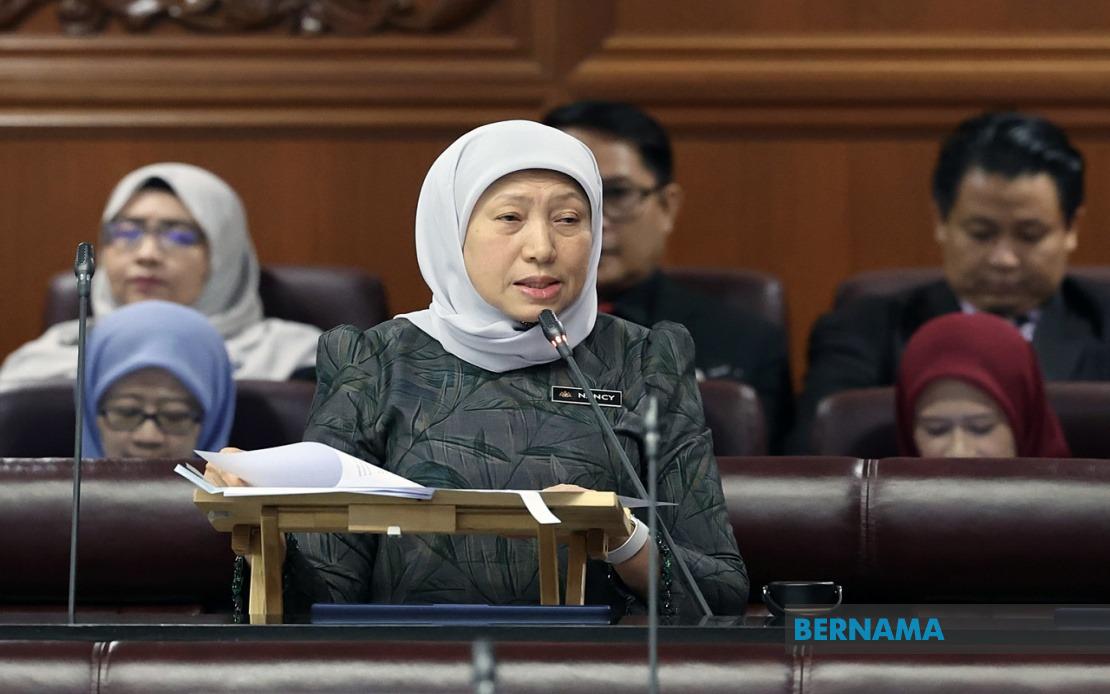
Malaysia has embarked on a substantive overhaul of its Child Act 2001 in response to 159 recommendations issued by the United Nations Committee on the Rights of the Child (UNCRC). The Ministry of Women, Family and Community Development (KPWKM) is leading the initiative, which encompasses reforms spanning the legal framework, abuse prevention mechanisms, and practical enforcement of children's rights across the country. Minister Datuk Seri Nancy Shukri announced the review during parliamentary proceedings on July 21, signalling the government's commitment to aligning domestic legislation with international child protection standards.
The UNCRC's Concluding Observations represent a comprehensive evaluation of Malaysia's performance in safeguarding children's welfare and rights. Rather than offering isolated criticisms, the 159 recommendations address systemic issues encompassing legislation, institutional capacity, and ground-level implementation of existing protections. This breadth reflects the committee's assessment that gaps exist not merely in what laws Malaysia has written, but in how effectively those laws are administered and enforced. The recommendations touch on foundational areas such as legal structures governing child welfare, mechanisms for reporting and responding to abuse, and the overall advancement of children's participation in decisions affecting their lives.
The government's approach to implementing these recommendations eschews a siloed ministry-led process in favour of genuine inter-agency collaboration. KPWKM will work alongside multiple government departments and relevant bodies to ensure that the review produces workable, coordinated solutions rather than isolated legislative adjustments. This multi-stakeholder framework is particularly significant given that child welfare in Malaysia involves numerous institutions—from the police and judiciary to social services, education departments, and healthcare providers. Without coordinated input from these bodies, even well-intentioned legal reforms risk remaining ineffective.
Specific areas flagged for examination within the revised Child Act 2001 include the adequacy of child protection protocols and mechanisms through which abuse and neglect can be reported and investigated. Current procedures within children's courts will also be scrutinised to determine whether they adequately serve children's interests and trauma-informed principles. The government recognises that procedural improvements—such as child-friendly court environments and trauma-sensitive questioning protocols—can substantially improve both the effectiveness of interventions and the psychological outcomes for vulnerable children navigating the legal system.
Family and community-based care arrangements represent another focal point of the review. Malaysia, like many developing nations, faces challenges in balancing institutional care with support for children to remain within family or kinship networks whenever safe and feasible. The UNCRC recommendations likely address whether current law and practice prioritise family-centred approaches, how foster care and residential alternatives are regulated, and whether adequate support services exist for families at risk of separation. These considerations touch directly on implementation capacity and resource allocation across states and federal territories.
Rehabilitation and follow-up support mechanisms are equally critical. Children who have experienced abuse, exploitation, or involvement with the justice system require not merely immediate intervention but sustained, coordinated support to rebuild their lives. The review will examine whether legal frameworks adequately mandate rehabilitation services, whether funding and staffing enable these services to operate effectively, and whether inter-agency coordination ensures that children do not fall through gaps between institutions. This long-term perspective reflects evolving global understanding that child protection is not a one-time event but a continuous process.
Another dimension of the review concerns clarifying the functions and legal authority of various stakeholders involved in child case management. Ambiguity about which agencies hold responsibility for particular decisions, or overlapping mandates without clear delineation, can paralyse response systems and leave children unprotected. By defining stakeholder roles more precisely, the revised act can reduce bureaucratic friction and ensure that decisions are made promptly and transparently. This is particularly important in federal systems like Malaysia's, where both federal and state governments have responsibilities for child welfare.
Strengthening cross-agency collaboration mechanisms is closely linked to clarifying responsibilities. The review will likely address information-sharing protocols, joint training initiatives, and formal coordination structures such as inter-agency committees. Malaysia's child protection system cannot function effectively if the police, social services, health authorities, and education sector operate in isolation. Legal provisions that mandate regular inter-agency meetings, require sharing of relevant information about at-risk children, and establish joint response protocols can substantially improve system coherence.
Improving the responsiveness and quality of interventions and services for children is the ultimate goal underpinning all these specific reforms. Children's circumstances change rapidly, and their needs vary widely depending on age, vulnerability, cultural background, and the nature of threats they face. A responsive system must enable front-line workers to access timely information, make decisions with adequate discretion, connect families with appropriate services quickly, and adapt interventions as circumstances evolve. The review will examine whether current legal structures facilitate or impede this responsiveness.
For Malaysian policymakers and practitioners, this review represents an opportunity to modernise child protection law without waiting for crises to force incremental changes. The UNCRC recommendations provide external benchmarks against global best practices, allowing Malaysia to learn from successes and failures in other jurisdictions. Implementation will require sustained political will, adequate budget allocation, and capacity-building across multiple agencies and regions. States will play a crucial role, as much child welfare work occurs at the local level.
The implications extend beyond Malaysia itself. Within Southeast Asia, Malaysia's child protection system influences regional norms and, through ASEAN mechanisms, contributes to evolving regional standards. A strengthened Malaysian framework can demonstrate to neighbouring countries that comprehensive legal reform, undertaken through inclusive processes, can meaningfully improve outcomes for vulnerable children. Conversely, if the review stalls or produces only cosmetic changes, it may reinforce perceptions that formal commitments to child rights lack genuine backing.
The timeline and resource requirements for this comprehensive review remain unspecified. Previous Malaysian legislative reforms have demonstrated that even well-intentioned processes can extend far longer than initially anticipated, particularly when multiple agencies must reach consensus. Sustained stakeholder engagement, including input from civil society organisations, child welfare professionals, and children themselves, will be essential to producing a revised act that reflects both international standards and Malaysian realities. The months ahead will indicate whether this initiative represents genuine transformation or incremental adjustment.

