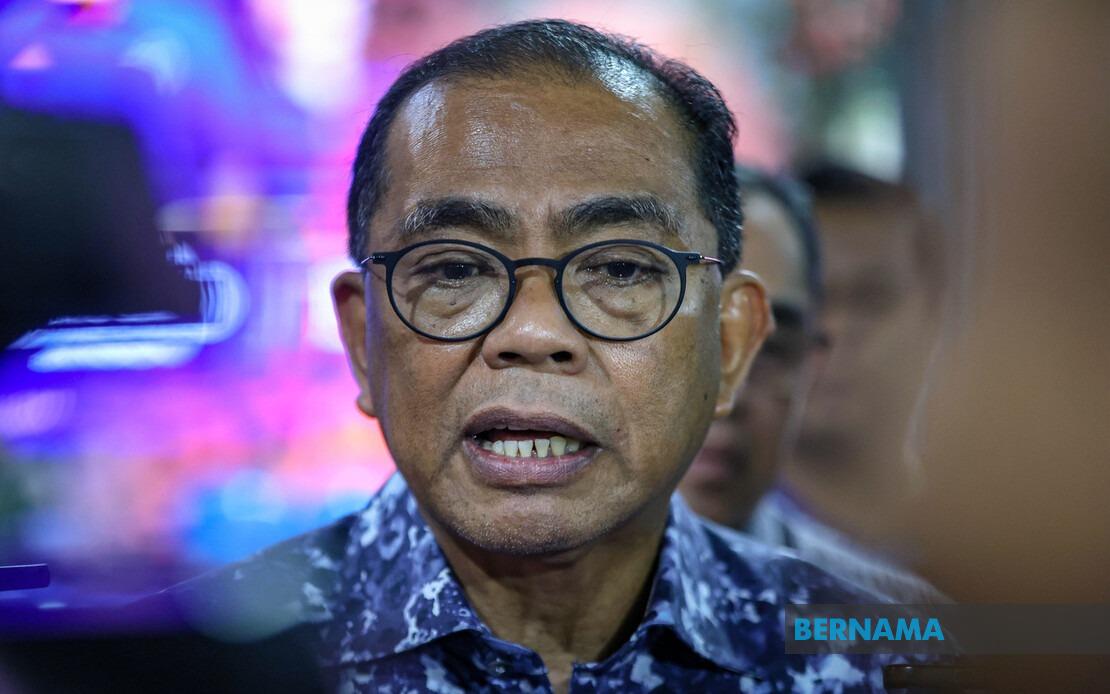
The Ministry of Defence is mounting a sustained campaign to overhaul how the Malaysian Armed Forces manages talent, structures its hierarchy, and compensates its personnel, according to Defence Minister Datuk Seri Mohamed Khaled Nordin. Speaking at a political gathering in Pasir Gudang, the minister disclosed that detailed reform proposals spanning three critical areas have already been forwarded to the government and the Public Service Department for formal consideration, signalling serious intent to reshape military human resources management in the coming months.
The core challenge driving these reforms is straightforward yet consequential: many capable officers possess the necessary competencies and demonstrate strong performance records but find themselves blocked from advancement simply because promotion vacancies remain limited within the current structure. This bottleneck not only frustrates individual careers but potentially compromises military effectiveness by preventing talented personnel from assuming roles matching their capabilities. Mohamed Khaled emphasised that the ministry seeks a more rational alignment between an officer's rank, grade, level of responsibility, and the strategic functions they actually perform within the Malaysian Armed Forces.
These structural and compensation initiatives represent a long-term commitment by MINDEF rather than ad-hoc responses to complaints. The minister noted that the Defence White Paper published in 2022 initiated this systematic approach to talent management and staffing modernisation. Proposals specifically targeting improvements to the Public Service Remuneration System were submitted to the Public Service Department in March of the previous year, demonstrating sustained advocacy within government channels. The defence establishment recognises that modernising military technology and defence assets must be paired with corresponding evolution in how the institution manages and rewards its human capital.
One significant component of the reform agenda addresses the financial recognition of military service conditions. The ministry is arguing that special allowances should apply to military personnel given the distinctive professional demands they face, particularly the requirement to undertake intensive professional development courses spanning nine months to two years. Such extended educational commitments, while essential for maintaining force readiness and capabilities, impose burdens distinct from many civilian public service roles. By seeking dedicated allowance mechanisms, MINDEF aims to acknowledge and appropriately compensate these unique professional obligations.
Crucially, the minister emphasised that any expedited promotion mechanisms being considered will remain anchored in meritocracy rather than devolving into automatic advancement based on seniority or other non-performance criteria. Any acceleration of career progression will continue to evaluate officers against rigorous standards encompassing performance, demonstrated competency, personal integrity, and demonstrable organisational need, all assessed through established institutional evaluation processes. This stance suggests MINDEF is determined to forestall criticism that faster promotions might compromise standards or reward mediocrity.
These defence ministry initiatives align with and reinforce broader government-level commitment to modernising the armed forces. Prime Minister Datuk Seri Anwar Ibrahim announced yesterday an in-principle government agreement to streamline and accelerate promotion mechanisms for both Malaysian Armed Forces and Royal Malaysia Police personnel, bringing these security sector career structures into better alignment with promotion systems operating across other public service agencies. This coordination between MINDEF and the Prime Minister's Office signals unified government direction on this policy domain.
The Prime Minister indicated that comprehensive details regarding the new promotion mechanism will be unveiled during the Ambang Merdeka celebrations scheduled for August 30 at Stadium Merdeka in Kuala Lumpur. This timing suggests the government intends to present these reforms as part of its broader independence month messaging and national development narrative, potentially framing military modernisation as integral to Malaysia's strategic positioning and future security architecture.
Beyond structural and promotion reforms, the government has also pledged to increase MINDEF's budgetary allocation within the 2027 Budget framework, dedicated specifically to strengthening Malaysian Armed Forces operational capabilities whilst prioritising the welfare and support systems for security sector personnel. This financial commitment provides the resource foundation necessary to implement structural reforms and allow the promised acceleration of promotions without creating bottlenecks in training, deployment, or operational readiness.
For Malaysian readers and regional observers, these reforms carry broader significance beyond defence administration. A modern, merit-driven military with appropriate career incentives and aligned organisational structures enhances institutional stability and operational effectiveness during periods requiring enhanced security responses. Countries across Southeast Asia face evolving strategic challenges ranging from maritime security concerns to cybersecurity threats, making the quality and motivation of military personnel increasingly consequential. Malaysia's effort to ensure its armed forces can attract, retain, and advance its best talent contributes to regional strategic stability.
The timing and scope of these defence reforms also reflects shifting government priorities post-2022, with emphasis on institutional modernisation and civil service optimisation extending beyond defence into broader public sector management. By tackling military talent management, the government signals commitment to ensuring that professional excellence and performance capability remain central to advancement across the security sector, potentially creating momentum for similar reforms in other government agencies.
These proposals also merit attention from the defence industry and strategic partnerships perspective. As Malaysia modernises its defence assets through technological upgrades and capability development, ensuring the human systems managing these assets evolve commensurately becomes essential. Officers with advanced education, merit-based advancement, and appropriate compensation are more likely to retain expertise and maintain the technical proficiency required to operate sophisticated defence systems effectively.

