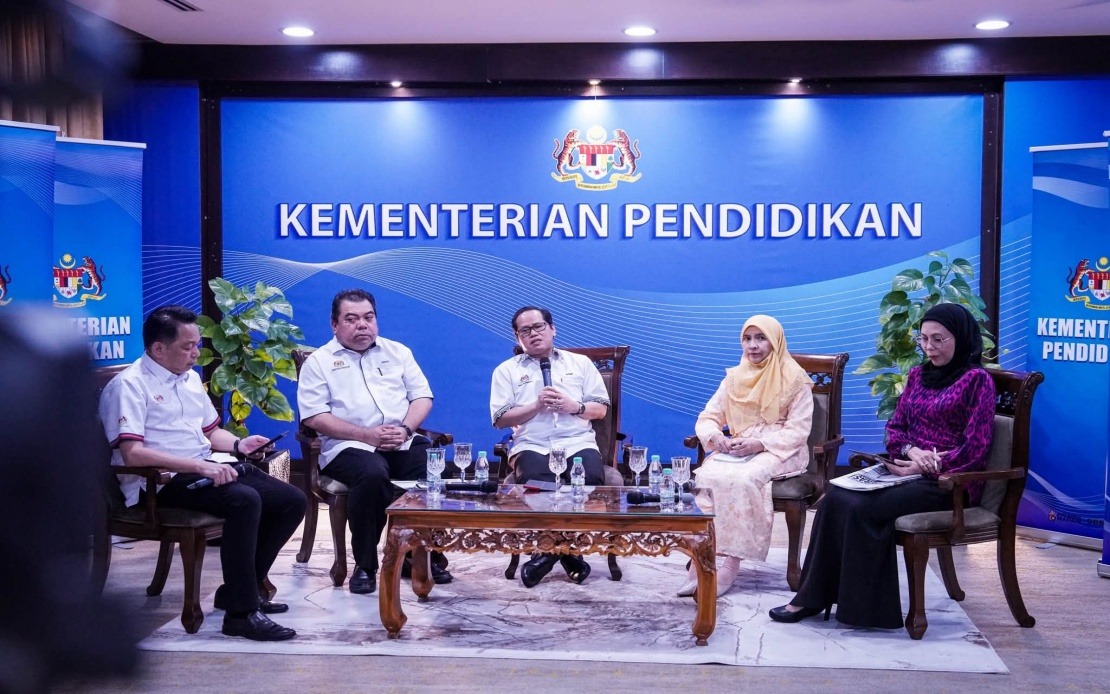
Malaysia's education system faces mounting pressure to safeguard student welfare as the Ministry of Education reveals it receives daily reports of incidents involving student injuries, with some days witnessing more than ten fatalities or serious incidents. Education Director-General Datuk Mohd Azam Ahmad has underscored the urgency of implementing stronger protection mechanisms, highlighting the gap between the serene appearance of school campuses and the reality of challenges confronting administrators and educators behind closed doors.
The scope of the problem extends across the entire educational landscape, affecting all 10,258 schools nationwide. Rather than addressing isolated incidents at individual institutions, the ministry has recognised that systemic, coordinated action is necessary to create a safer environment for Malaysia's student population. This nationwide approach reflects an acknowledgment that student safety transcends individual school boundaries and requires standardised protocols and guidelines applicable to every educational institution regardless of size or location.
The newly announced Student Protection Policy, formalised through a circular issued on July 1, represents a significant institutional response to these challenges. The policy mandates that all school personnel, administrators, teachers, and external parties who interact with students within school environments must sign a Letter of Compliance affirming their commitment to the established safety framework. This compliance requirement serves as both a practical mechanism and a symbolic commitment, ensuring that every individual with access to the school community understands and accepts responsibility for student protection.
Azam pointed to the fundamentally transformed environment in which today's students develop compared to previous generations. Young people now navigate a complex digital landscape that exposes them to external influences at significantly younger ages than their predecessors encountered. This early exposure to sophisticated external pressures, combined with the traditional challenges of adolescence, requires educators to adopt contemporary protective strategies that acknowledge modern realities rather than relying solely on conventional disciplinary approaches.
The role of teachers has expanded considerably beyond traditional academic instruction. Educators now shoulder responsibility for developing students' character, instilling values, and supporting their emotional and psychological development. This broader mandate demands that schools operate within clearly defined frameworks that help teachers manage their expanded responsibilities professionally and effectively. The Student Protection Policy provides these essential guidelines, enabling educators to address contemporary challenges while maintaining appropriate boundaries and professional standards.
The policy addresses multiple interconnected dimensions of student wellbeing and safety. Mental health support has emerged as a critical component, reflecting growing recognition of psychological pressures affecting Malaysian students. The framework incorporates reproductive and social health education, acknowledging that comprehensive health literacy supports informed decision-making among young people. Prevention strategies targeting child sexual violence and substance abuse demonstrate the policy's commitment to protecting students from predatory behaviour and harmful influences, while provisions addressing student voice ensure that young people have mechanisms to express concerns and participate in creating safer school environments.
Teacher welfare provisions within the policy represent an important recognition that educator wellbeing directly impacts their capacity to support students effectively. When teachers themselves experience burnout, stress, or inadequate support, their ability to provide the nurturing environment necessary for student protection diminishes. By addressing teacher welfare alongside student protection, the ministry acknowledges this interdependence and creates conditions enabling educators to perform their expanded roles successfully.
The dialogue session featuring Children's Commissioner of the Human Rights Commission of Malaysia Dr Farah Nini Dusuki alongside ministry officials reflects growing collaboration between government agencies and human rights organisations in advancing student protection. This multi-stakeholder approach brings diverse perspectives to policy implementation, ensuring that child protection mechanisms incorporate expertise from educational administrators, policy specialists, and dedicated human rights advocates. Such collaboration strengthens the framework's credibility and effectiveness.
For Malaysian parents and school communities, the new policy signals increased institutional accountability regarding student safety. The requirement for compliance letters from all personnel creates documentary accountability, making it more difficult for negligent individuals to operate without scrutiny. Schools must now maintain clear records demonstrating that all staff have formally acknowledged their responsibilities, creating an auditable trail of commitment to safety standards.
The timing of this comprehensive policy reflects broader regional and global trends recognising that educational institutions must evolve to address contemporary threats to student safety and wellbeing. Southeast Asian education systems increasingly grapple with similar challenges—digital-era influences, mental health crises, and emerging forms of abuse. Malaysia's systematic response may establish benchmarks for neighbouring countries similarly seeking to strengthen student protection frameworks within their own education systems.
Implementation of this nationwide policy will require sustained commitment and adequate resourcing. Schools must receive training enabling staff to understand and apply the guidelines effectively. Monitoring mechanisms must track compliance and measure policy effectiveness through measurable indicators of improved student safety. The success of this initiative depends not merely on policy announcement but on genuine institutional transformation enabling schools to fulfil their enhanced protective responsibilities.
The Student Protection Policy represents recognition that education extends beyond classroom instruction to encompass the holistic development and safety of young people during formative years. By establishing clear frameworks, requiring institutional accountability through compliance mechanisms, and addressing interconnected aspects of student wellbeing, Malaysia's education ministry has taken a significant step toward creating school environments where students can develop safely and confidently.

