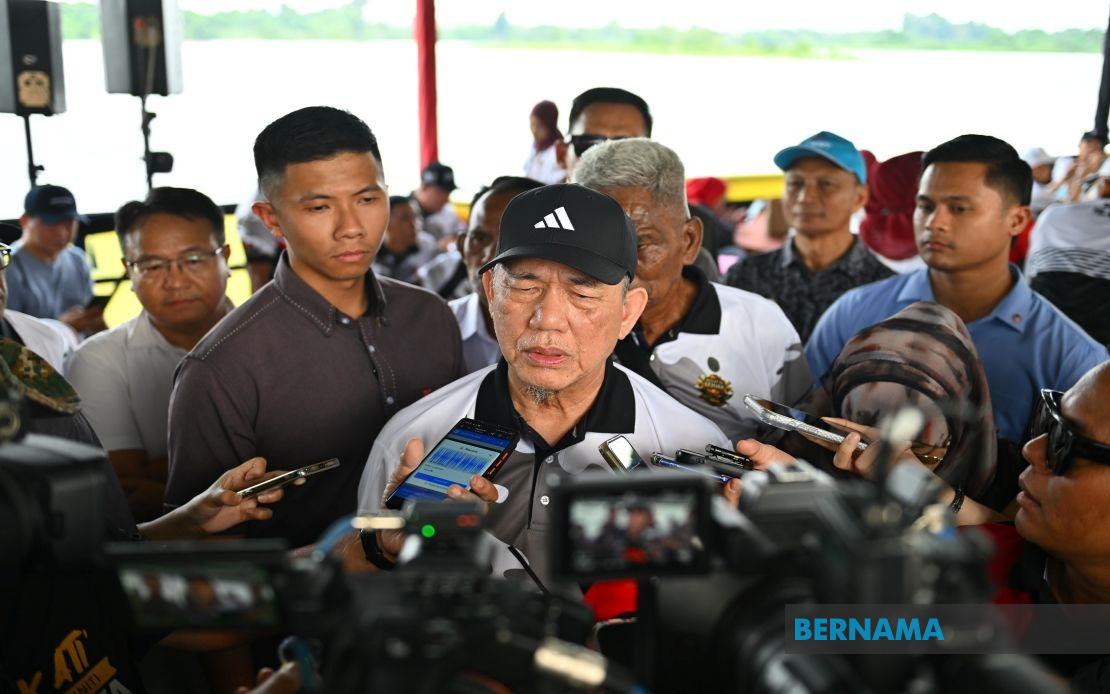
Malaysia's energy sector continues to function without disruption despite mounting geopolitical tensions in one of the world's most strategically critical oil shipping lanes, according to Deputy Prime Minister Datuk Seri Fadillah Yusof. Speaking in Kuching on July 12 after presiding over the closing ceremony of Regatta 2026, Fadillah underscored the government's proactive stance in maintaining fuel security through coordinated efforts between state-owned Petronas and the Prime Minister's office. The reassurance comes at a time when the Strait of Hormuz—through which roughly one-third of global seaborne oil passes—has become an increasingly volatile flashpoint affecting energy markets worldwide.
The stability of Malaysia's energy supply hinges significantly on the success of ongoing diplomatic negotiations being conducted at various governmental levels, Fadillah explained. Petronas, as the nation's principal energy corporation, has been working in tandem with Prime Minister Datuk Seri Anwar Ibrahim to navigate the complex geopolitical landscape and secure reliable fuel imports. This multifaceted approach reflects recognition that energy security in the modern era extends beyond domestic production capacity to encompass international relations, supply chain resilience, and strategic market positioning. For a country like Malaysia, which remains partially dependent on imports despite its own hydrocarbon reserves, such diplomatic engagement becomes paramount when international shipping routes face disruption risks.
While current supply chains remain intact and functioning normally, Fadillah acknowledged that the broader economic implications of regional instability cannot be dismissed. The volatility characterising global oil and gas markets means that even without physical disruptions to supply lines, Malaysia faces considerable financial headwinds. Price fluctuations driven by geopolitical uncertainty ripple through the economy, affecting everything from fuel costs at the pump to manufacturing competitiveness and government revenues. This distinction between supply availability and affordability represents a critical policy challenge that extends beyond the immediate reassurances of uninterrupted delivery.
The government faces an inherent tension in managing the country's economic trajectory while simultaneously maintaining robust support systems for ordinary Malaysians. Fadillah framed this as a fundamental balancing act: ensuring long-term fiscal sustainability requires prudent financial management, yet withdrawing assistance programmes could impose hardship on vulnerable populations already grappling with inflationary pressures. This dilemma becomes more acute when external factors beyond Malaysia's direct control—such as Middle Eastern tensions or global supply shocks—create unpredictable demand and pricing environments in international energy markets.
The Strait of Hormuz's significance to Malaysia's energy equation cannot be overstated. As a major maritime trading nation with extensive shipping interests, Malaysia has vested interests in maintaining freedom of navigation through this chokepoint. Any sustained escalation of tensions would not only jeopardise direct fuel supplies but could also disrupt trade flows more broadly, affecting the archipelago's position as a regional logistics hub. This explains why government attention to these developments remains high-priority, with multiple ministries and agencies coordinated under central leadership.
The Energy Transition and Water Transformation portfolio that Fadillah oversees places him at the intersection of Malaysia's immediate energy security concerns and its longer-term strategic repositioning. While managing current supply vulnerabilities, the ministry must simultaneously advance transition initiatives aimed at reducing fossil fuel dependence and building resilience through diversification. These competing demands require sophisticated policy frameworks that address both immediate vulnerabilities and future sustainability.
Petrona's proactive engagement in multilevel negotiations demonstrates the corporation's recognition that energy security operates across multiple dimensions. Beyond procurement and logistics, securing supply requires maintaining relationships with producing nations, transit countries, and international partners. The breadth of these negotiations suggests that Malaysian decision-makers view energy supply not merely as a commercial transaction but as a strategic national interest requiring sustained diplomatic investment and institutional coordination.
For Malaysian consumers and businesses, the government's public reassurances carry practical implications. The absence of current supply disruptions means economic activities can continue without energy-related supply shocks—a crucial consideration given Malaysia's manufacturing and petrochemical sectors. However, the acknowledged vulnerability to price volatility suggests that while physical scarcity remains unlikely in the near term, cost pressures will likely persist, influencing everything from household budgeting to corporate planning decisions.
The government's continued commitment to subsidy and assistance programmes reflects policy recognition that market-driven price adjustments alone would impose unacceptable burdens on lower-income Malaysians. These social safety nets, while financially demanding, serve as essential stabilisers during periods of price volatility. The challenge lies in calibrating these programmes to provide meaningful protection without creating unsustainable fiscal burdens or distorting market incentives that might encourage longer-term economic efficiency.
Looking forward, Malaysia's energy security strategy appears to rest on three pillars: maintaining diplomatic channels to secure stable supplies, managing domestic consumer impacts through targeted assistance, and advancing the transition toward more diversified and sustainable energy systems. The Strait of Hormuz tensions underscore how Malaysia's prosperity remains partially hostage to geopolitical developments beyond its borders, making continued diplomatic activism and strategic diversification essential components of national economic governance.

