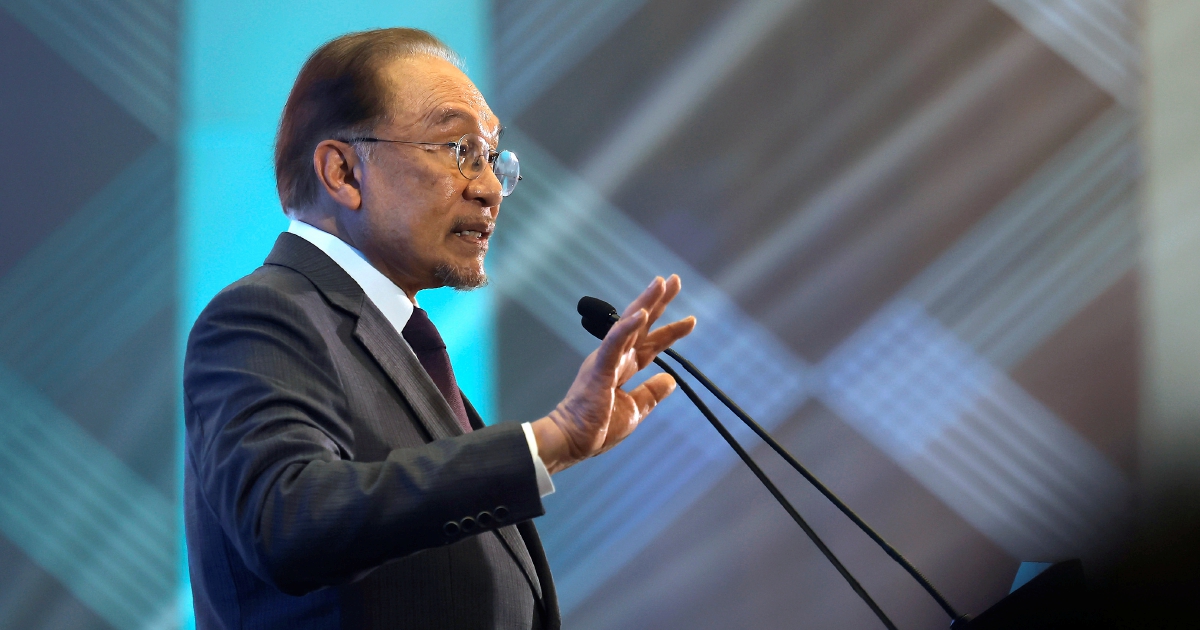
Prime Minister Datuk Seri Anwar Ibrahim has pointed to Malaysia's renewed involvement in hosting the Formula 1 Gulf Air Bahrain Grand Prix at the Sepang International Circuit as a testament to the country's substantial organisational capabilities and readiness to manage events of genuine global significance.
The statement represents a notable assertion about Malaysia's standing within the international events calendar, particularly as the nation seeks to bolster its profile as a destination for major sporting fixtures. The Sepang International Circuit has long been recognised as one of Asia's premier racing venues, equipped with facilities meeting the exacting standards demanded by Formula 1's governing body and participating teams.
For Malaysia, the capacity to stage events of F1's magnitude carries implications extending well beyond the motorsport community itself. A successful Grand Prix attracts substantial international visitor numbers, generating tourism revenue and placing the country squarely on the global media stage for an extended period. Television coverage alone reaches hundreds of millions of viewers across continents, providing unparalleled exposure for Malaysia's destination brand.
The prime minister's emphasis on hosting capability reflects broader strategic thinking about economic diversification and soft power projection. By demonstrating competence in delivering complex international events, Malaysia signals its readiness to compete with other regional economies for premium business and sporting opportunities. This positioning carries weight in an increasingly competitive landscape where neighbouring countries also seek similar showcases for national capability.
Sepang International Circuit's infrastructure—encompassing not only the racing facility itself but supporting transport, accommodation, and service systems—has been continuously upgraded to meet evolving international standards. The venue's proximity to Kuala Lumpur International Airport and integration with Malaysia's wider hospitality sector enhances its appeal to organisers and participants alike.
The economic implications of hosting Formula 1 extend throughout multiple sectors. Hotels, restaurants, transportation services, and retail establishments all benefit from the influx of international attendees, teams, media personnel, and corporate guests. Beyond immediate spending, a successful event enhances Malaysia's reputation among international event planners and corporate decision-makers considering venues for future conferences, conventions, and competitions.
Anwar's comments also underscore confidence in Malaysia's human capital and organisational expertise. Successfully executing an F1 Grand Prix demands coordination across government agencies, private sector partners, security services, and technical specialists—a feat requiring substantial institutional capability. The ability to manage such complexity distinguishes Malaysia from nations lacking comparable experience.
For Southeast Asia more broadly, Malaysia's hosting of premium sporting events contributes to regional prominence in the global events hierarchy. While Singapore, Thailand, and Vietnam have developed their own event portfolios, Malaysia's demonstrated capacity supports the broader regional narrative of Southeast Asia as increasingly capable of hosting world-class spectacles traditionally dominated by European and other developed venues.
The return of Formula 1 to Malaysia also carries symbolic weight regarding the country's pandemic recovery and operational resilience. Successfully managing international events of this scale during an era of heightened health and safety consciousness demonstrates that Malaysia can adapt to contemporary requirements while maintaining world-class standards.
Looking forward, Anwar's framing of F1 hosting as evidence of national capability appears designed to build momentum for pursuing additional marquee events. Whether future bids target summer Olympic Games, major football tournaments, or other international competitions, the precedent of successful F1 hosting strengthens Malaysia's position as a credible contender.
The strategic articulation of hosting capacity serves domestic purposes as well. Emphasising Malaysia's ability to stage globally significant events reinforces national pride and confidence, particularly important during periods of economic adjustment or political transition. Major sporting events provide tangible demonstrations of national achievement accessible to ordinary citizens through television and media coverage.
International sporting calendars increasingly reward venues that combine technical excellence with effective management and genuine hospitality. Malaysia's track record at Sepang positions the country competitively within these evolving criteria, potentially opening doors to sporting opportunities previously concentrated in established European and Middle Eastern hubs.
The prime minister's confidence in Malaysia's event-hosting capacity reflects substantive reality grounded in previous successful tournaments and growing experience managing complex international operations. As the nation continues rebuilding post-pandemic momentum, hosting capability represents genuine national asset with economic, diplomatic, and cultural dividends extending well beyond individual sporting fixtures.

