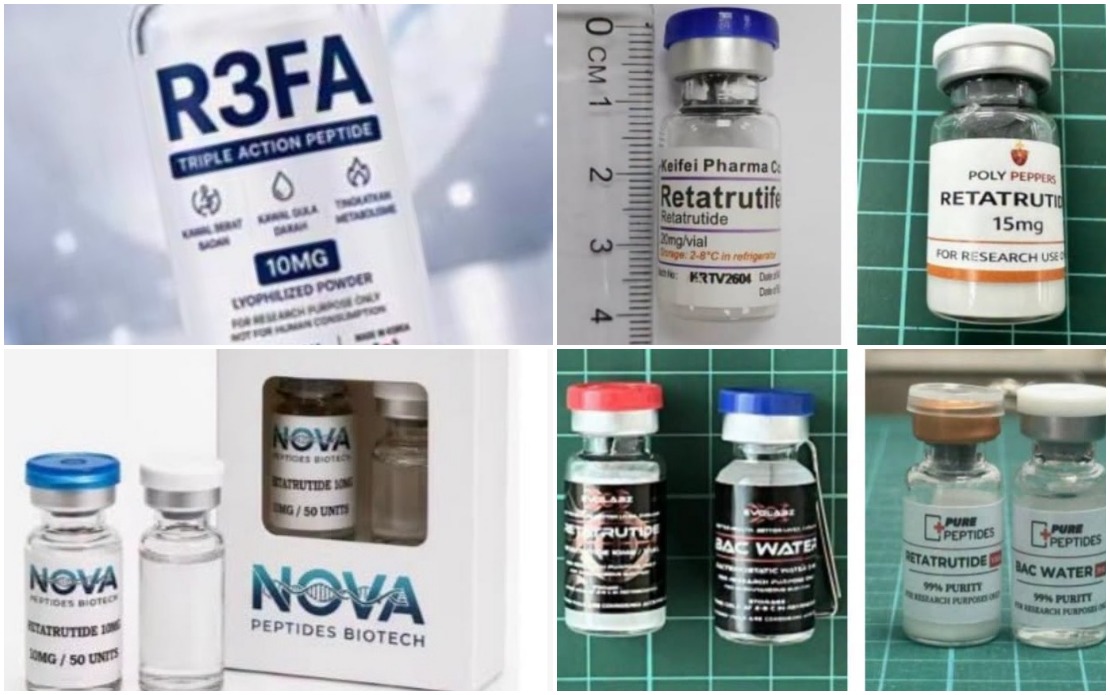
The Ministry of Health has issued a stark warning to Malaysian consumers regarding the proliferation of unregistered weight-loss injection pens marketed as containing Retatrutide, emphasising that no such products have received authorisation for use within the country. Speaking on August 28, the ministry clarified that Retatrutide remains an experimental pharmaceutical compound currently undergoing Phase 3 clinical trials globally, and as of August 17, 2026, has not secured marketing approval from any regulatory body anywhere in the world, let alone Malaysia's Drug Control Authority.
The alert reflects deepening concerns about the explosive growth of online weight-loss product sales in Malaysia, where injectable medicines are increasingly being offered directly to consumers without proper medical assessment, legitimate prescriptions, or healthcare professional supervision. This trend represents a significant public health vulnerability, particularly as weight management products attract substantial consumer interest but remain prone to counterfeiting and misuse. The absence of proper medical oversight creates dangerous conditions where individuals self-administer potentially harmful substances without understanding their composition, purity, or suitability for their specific health circumstances.
According to the ministry's enforcement data, the problem has reached concerning proportions. Between January and July 2026 alone, Malaysia's Pharmacy Enforcement Division received 65 complaints and executed 30 separate raids targeting weight-loss product distributors. Of these enforcement actions, 17 specifically targeted online sales channels, resulting in total confiscations valued at RM477,142. The scale of enforcement activity underscores how rapidly illicit weight-loss products have embedded themselves within Malaysia's digital marketplace, exploiting the convenience and anonymity that e-commerce platforms provide to sellers operating outside regulatory frameworks.
Digital monitoring has revealed the staggering volume of misleading marketing surrounding these products. Throughout 2026, authorities removed 209 weight-loss product advertisements explicitly claiming Retatrutide content from various e-commerce platforms. Beyond these documented removals, enforcement teams identified, screened, and took action against 1,243 additional advertisements across multiple media channels promoting similar products. This pattern demonstrates how aggressively these products are being marketed despite their illegal status, with sellers employing multiple digital channels and platforms to reach potential customers before regulatory action can be taken.
The health risks associated with unregistered weight-loss injections extend beyond mere ineffectiveness. Using such products without comprehensive medical evaluation creates opportunities for serious adverse effects and medical complications that may go unrecognised and untreated. When complications emerge without proper healthcare monitoring, the delays in identifying and addressing these issues can escalate from manageable side effects into potentially life-threatening conditions. Individuals purchasing these products often lack baseline health assessments that would identify contraindications, underlying conditions, or medication interactions that could render their use particularly dangerous.
Retatrutide itself represents an emerging class of pharmaceutical compounds being investigated for metabolic regulation. Its experimental status means that safety and efficacy profiles remain incompletely understood, with large-scale clinical data still being gathered. The fact that no regulatory authority globally has approved this drug for commercial distribution should signal to Malaysian consumers that any available product claiming to contain it has circumvented legitimate regulatory pathways and cannot provide any assurance regarding its actual contents, manufacturing standards, or safety. The disconnect between the product's claimed identity and its unverified reality creates substantial fraud and health risks.
The ministry has provided practical guidance for consumers seeking to verify product legitimacy. The National Pharmaceutical Regulatory Agency operates a Product Search function on its website enabling the public to confirm whether specific weight-loss products have received official registration and approval. Additionally, the FarmaChecker feature within the MyUBAT application allows consumers to authenticate the security features present on genuinely registered medications. These verification tools represent the first line of consumer defence against counterfeit and unregistered products, though their effectiveness depends on consumer awareness and willingness to conduct verification before purchasing.
Legal penalties for distributing unregistered medicines remain substantial under Malaysia's regulatory framework. The Sale of Drugs Act 1952 stipulates maximum fines of RM50,000 for first-time violations and RM100,000 for repeat offences. These penalties apply regardless of the volume sold or the harm caused, establishing baseline legal consequences for participation in the unregistered medicine trade. However, enforcement challenges persist, particularly regarding online sellers who operate across multiple jurisdictions and platforms, creating detection and prosecution difficulties for Malaysian authorities.
The proliferation of these products reflects broader regional trends where weight-management pharmaceuticals have generated substantial demand, yet legitimate supply remains restricted by necessary regulatory oversight. Southeast Asian markets broadly have experienced surging consumer interest in weight-loss treatments, creating profitable opportunities for sellers willing to operate outside regulatory systems. Malaysia's experience mirrors challenges confronting regulators across the region, as pharmaceutical companies developing new weight-management compounds navigate clinical trial phases while black markets simultaneously spring up around drugs still under investigation.
For Malaysian healthcare consumers, this situation highlights the critical importance of obtaining weight-loss treatments exclusively through registered medical practitioners. Legitimate pathways, though potentially requiring longer waiting periods and higher costs, ensure that prescribed medications have undergone rigorous safety and efficacy testing, that patients receive appropriate medical monitoring, and that adverse effects can be identified and managed by qualified professionals. The ministry's warning extends beyond merely identifying problematic products to affirming that sustainable, safe weight management requires integration with comprehensive healthcare rather than reliance on unvetted marketplace offerings.
The enforcement efforts undertaken by Malaysian authorities demonstrate commitment to protecting public health, yet the ongoing market presence of these products suggests that supply-side interventions must be complemented by consumer education and awareness initiatives. Many individuals purchasing these products may lack awareness regarding regulatory approval processes, the dangers of untested pharmaceuticals, or the specific risks associated with self-administered injections. Targeted public health communications addressing these knowledge gaps could meaningfully reduce demand for illegally distributed products and shift consumer behaviour toward legitimate healthcare pathways.

