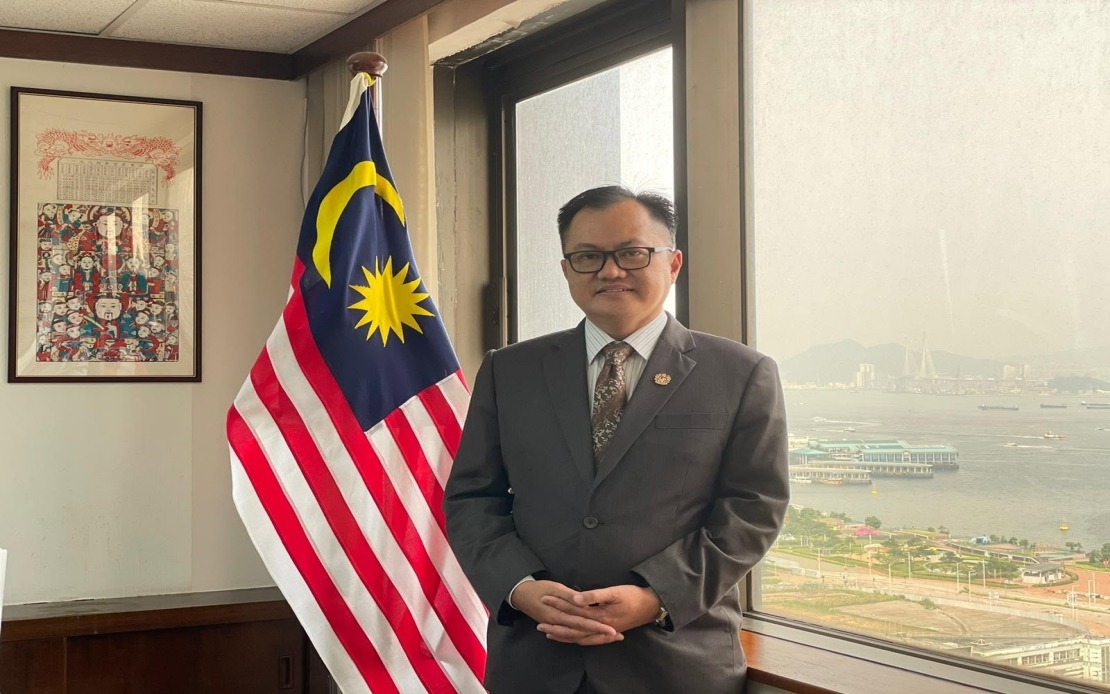
The Consulate General of Malaysia in Hong Kong has responded firmly to suggestions that Malaysian voters abroad encountered obstacles during the recent Johor state election, insisting its diplomatic mission had actively promoted civic participation through multiple communication channels. In a written statement, Consul General Muzambli Markam rejected claims that overseas Malaysians lacked awareness of voting procedures, instead highlighting the consulate's sustained efforts to disseminate election-related information across its official platforms and through collaborative partnerships.
The response addresses a South China Morning Post article published on July 9 that suggested overseas Malaysian postal voters faced significant hurdles due to inadequate awareness and tight deadlines. Markam accused the publication of overlooking substantial local engagement work and misrepresenting both the consulate's initiative and broader government efforts to guarantee democratic participation for citizens living abroad. He specifically flagged the article's headline as grossly inaccurate, arguing it painted an incomplete picture of Malaysia's electoral infrastructure and overseas support systems.
Central to the consulate's defence is its partnership with the Malaysian Association of Hong Kong (MAHK), which served as a crucial channel for spreading voter registration information and encouraging participation. Rather than operating in isolation, the mission sought to embed itself within the local Malaysian community to ensure messaging reached its intended audience through trusted organisations. This collaborative model reflects a broader diplomatic approach wherein consulates leverage existing community networks rather than relying solely on official channels that may have limited reach among dispersed populations.
The consulate also disputed the characterisation that its lack of detailed local voter statistics indicated administrative weakness. Markam pointed instead to Malaysia's recent modernisation and digitalisation of the overseas voting registration system, which allows Malaysians abroad to submit applications directly via the centralised MySPR online portal without requiring consulate intermediation. This direct-to-system architecture represents a deliberate policy choice designed to streamline the electoral process while enhancing security, rather than a failure of diplomatic infrastructure or bureaucratic oversight.
The MySPR portal's introduction marks a significant shift in how Malaysia manages overseas voter participation. By eliminating the need for consulates to serve as intermediaries, the system reduces administrative bottlenecks and allows voters greater autonomy in managing their registration. However, this architecture also means consulates no longer maintain comprehensive records of local voter numbers, creating a data visibility gap that external observers may misinterpret as inadequate support systems. Markam's clarification emphasises that transparency in voter statistics does not equate to the quality or effectiveness of voter facilitation.
For Malaysian expatriates and their families across Southeast Asia and beyond, the distinction between administrative intermediation and informational support carries practical implications. While the digital system provides technical access to registration, the consulate's role in publicising deadlines, eligibility requirements, and procedural steps remains essential for ensuring awareness translates into actual participation. The consulate's reliance on MAHK and its official platforms to broadcast this information suggests recognition that many Malaysians abroad may not independently seek out electoral information without targeted outreach.
The broader context of this dispute involves ongoing tensions between Malaysian government communications and international media coverage of domestic affairs. The South China Morning Post's framing of restricted access for overseas voters touched on legitimate questions about whether Malaysia's electoral system adequately serves its diaspora population. Yet the consulate's counterargument highlights the government's increasing investment in digital infrastructure that theoretically democratises access to voting registration regardless of geographic location. The gap between institutional claims and lived experience for individual voters, however, cannot be entirely resolved through statements defending administrative design.
Markam emphasised that the Malaysian government remains committed to facilitating democratic rights for overseas citizens through both efficient digital infrastructure and active diplomatic engagement. This dual commitment suggests policymakers view technology and human communication as complementary rather than substitutional approaches. Consulates continue to play a vital role in community engagement and information dissemination, even as centralised digital systems handle backend registration processes. The articulation of this commitment signals Malaysia's intent to be responsive to criticism while clarifying the distinction between technical capability and awareness-raising responsibilities.
The episode raises important questions about how middle-income countries with significant diaspora populations manage electoral participation across borders. Malaysia's approach—combining centralised digital registration with decentralised community outreach—reflects efforts to balance efficiency with accessibility. Yet the fact that concerns about voter awareness persist despite stated consulate efforts suggests potential gaps between official communications strategies and the actual information needs of Malaysian expatriates. Different communities abroad may have varying levels of digital literacy, access to Malaysian news sources, or familiarity with government platforms, requiring tailored outreach beyond generic advisories.
Looking forward, the consulate's response underscores the importance of transparent evaluation of overseas voter engagement initiatives. While the MySPR portal represents technological progress, measuring success requires tracking not just registration completion but also awareness levels, participation rates, and barriers encountered by different cohorts of Malaysian voters abroad. The Hong Kong case demonstrates that even when missions claim extensive outreach efforts, external validation and community feedback remain necessary to verify whether information actually reaches target audiences effectively. Future Johor elections or other state ballots will likely provide opportunities to test whether current systems have adequately addressed overseas voter concerns.

