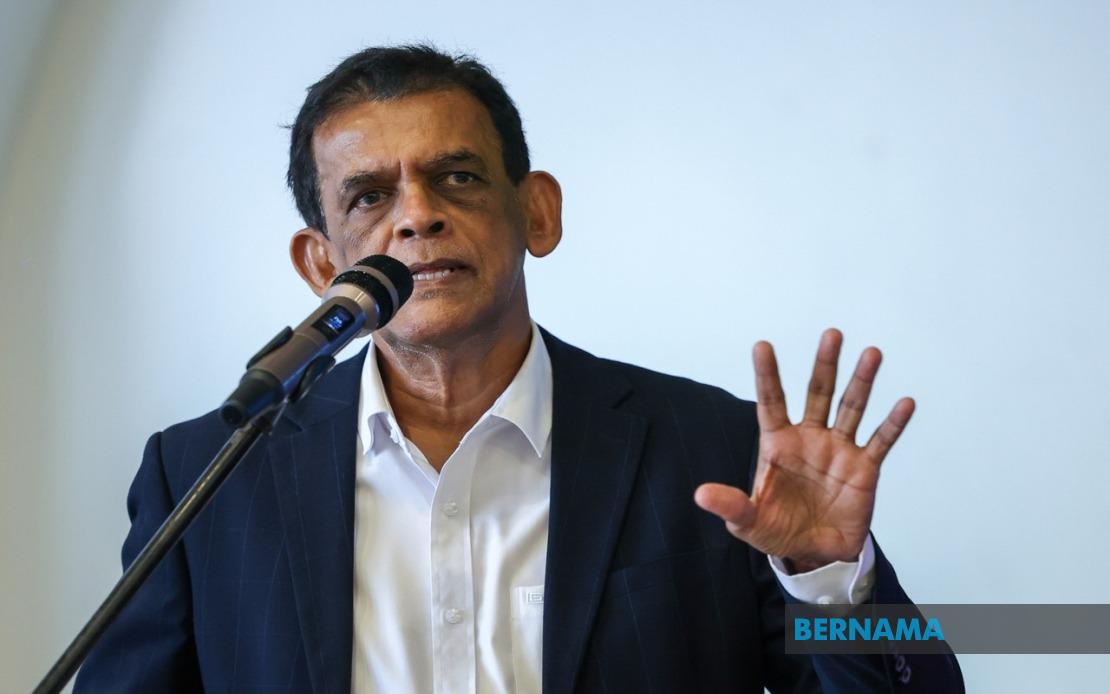
The Malaysian Artistes Association (Karyawan) has launched a significant push for governmental intervention in the country's music royalty infrastructure, arguing that the current fragmented system has created widespread inequities and inefficiencies. At its recent annual general meeting, the association unanimously endorsed a proposal calling on the government to assume direct management of royalty collection and distribution operations. Karyawan president Datuk Freddie Fernandez framed the initiative as essential reform, noting that music royalties in Malaysia now approach RM200 million annually—a substantial pool that remains mismanaged under existing structures.
The proposal draws inspiration from Indonesia's experience, where authorities recognised similar systemic failures and established the National Collective Management Institution to centralise public performance royalty operations. Indonesia's transition demonstrates that governmental intervention can address coordination problems that independent collecting bodies struggle to resolve. Freddie emphasised that Malaysia faces parallel obstacles: opacity in financial dealings, bloated administrative overhead, jurisdictional conflicts among competing collection organisations, and persistent disputes about equitable distribution methodologies. These accumulated problems have corroded industry confidence and created palpable frustration among composers, performers and rights holders seeking clarity about their earnings.
Beyond basic governmental takeover, Karyawan has articulated a more sophisticated vision involving a unified digital platform for music rights management. This proposed system would function as a comprehensive national registry, integrating copyright registration, usage tracking, automatic royalty computation and transparent fund dispersal under state oversight. The architecture would establish a single source of truth for musical works, sound recordings, ownership structures, licensing agreements and usage reports—creating an auditable record accessible to government authorities, creators, commercial users and other stakeholders. Such integration would theoretically eliminate duplication, enhance accountability and ensure that every instance of musical exploitation maps directly to the appropriate rights holder.
The transparency benefits extend beyond conventional administration. Freddie highlighted that an automated matching system would enable royalties to flow directly to legitimate copyright owners based on verified ownership data and documented usage, reducing the delays and discrepancies that currently plague the sector. Moreover, this infrastructure would provide clearer mechanisms for regulating artificial intelligence-generated music—an emerging technological frontier that threatens to complicate rights management further if left unaddressed. The proposal thus positions governmental intervention as both a remedial measure for current dysfunction and a proactive step towards anticipated future challenges.
Karyawan's position aligns with the Copyright (Collective Management Organisation) Guidelines 2025, which emphasise strengthened governance standards, enhanced transparency obligations, meticulous record-keeping and rigorous accountability mechanisms. This alignment suggests the proposal reflects broader policy conversations within Malaysia's intellectual property establishment, indicating institutional receptivity to systemic reform. The timing is significant: recent interactions between Karyawan, the Intellectual Property Corporation of Malaysia (MyIPO), the Ministry of Domestic Trade and Cost of Living, and the three established royalty collection bodies—Music Authors' Copyright Protection, Public Performance Malaysia and Recording Performers Malaysia—have generated sufficient friction that legal action has been initiated, signalling breakdown in cooperative governance.
The association's advocacy intensified following documented cases of royalty mismanagement that underscore the human cost of systematic failure. The late Malaysian music legend Sudirman Arshad's family exemplifies this problem: they waited years to receive RM367,000 in accumulated royalties from decades of his musical contributions. This case, while singular in its prominence, reflects patterns affecting numerous Karyawan members who report receiving inadequate compensation from record labels regarding album sales and streaming platform distributions. These grievances suggest structural problems extending beyond collection inefficiencies to encompass record company practices and digital platform accountability.
Karyawan's mobilisation around member complaints indicates broadening pressure for systematic resolution. The association is actively compiling documentation from affected creators, positioning itself to pursue collective claims for fair payment and appropriate remedies. This grassroots advocacy amplifies the proposal's credibility, transforming abstract governance concerns into tangible industry demands rooted in widespread creator experiences. The emphasis on gathering member testimonies also signals Karyawan's intention to maintain momentum through sustained pressure, potentially escalating the issue politically and publicly if governmental response proves inadequate.
For Malaysian stakeholders, the proposal's implications stretch across creative industries and intellectual property governance. Musicians, songwriters and sound recording artists face immediate relevance, as reformed systems could expedite payments and increase transparency regarding their earnings. The broader creative economy—encompassing film, publishing and related sectors—may anticipate spillover effects, as successful implementation of music royalty reform could establish templates for rationalising other intellectual property distribution systems. Commercial music users, including radio stations, restaurants and digital platforms, might encounter standardised licensing procedures and clearer compliance frameworks, potentially reducing administrative friction.
International dimensions merit consideration as well. Malaysia's music industry competes regionally and globally, and regulatory modernisation could enhance the country's attractiveness to international music publishers and streaming services. Countries implementing sophisticated digital rights management infrastructure often capture greater international licensing revenues. Additionally, addressing AI-generated music through governmental frameworks positions Malaysia ahead of international peers grappling with these emerging issues, potentially establishing regulatory precedent respected across the region.
The governmental response remains uncertain. While Karyawan's proposal reflects consensus among industry participants, implementation would require coordination across multiple agencies and negotiation with established collection organisations facing potential diminished roles. The Ministry of Domestic Trade and Cost of Living and MyIPO must reconcile stakeholder interests while designing governance structures that balance creator protection, user accessibility and administrative sustainability. The legal disputes already underway between Karyawan and collection bodies could either expedite reform through judicial pressure or entrench institutional resistance, depending on litigation outcomes.
Regionally, Malaysia's approach will influence Southeast Asian creative industries. Indonesia's centralised model offers proven precedent, yet each nation's copyright infrastructure reflects distinct legal traditions and institutional capacities. Thailand, Vietnam and the Philippines maintain varying degrees of royalty collection fragmentation, and outcomes from Malaysia's deliberations could inform their policy development. A successful Malaysian transition to government-managed systems might establish regional best practices or conversely highlight implementation challenges that other nations would seek to avoid.
Ultimately, Karyawan's proposal addresses fundamental questions about who controls creative value chains and how transparent those mechanisms should be. The association's framing positions governmental intervention not as ideological preference but as pragmatic necessity, justified by decades of systemic failure and measurable creator hardship. Whether the government accedes to these demands will substantially shape Malaysia's creative industries' future competitiveness, transparency and fairness to practitioners whose contributions generate significant national cultural and economic value.

