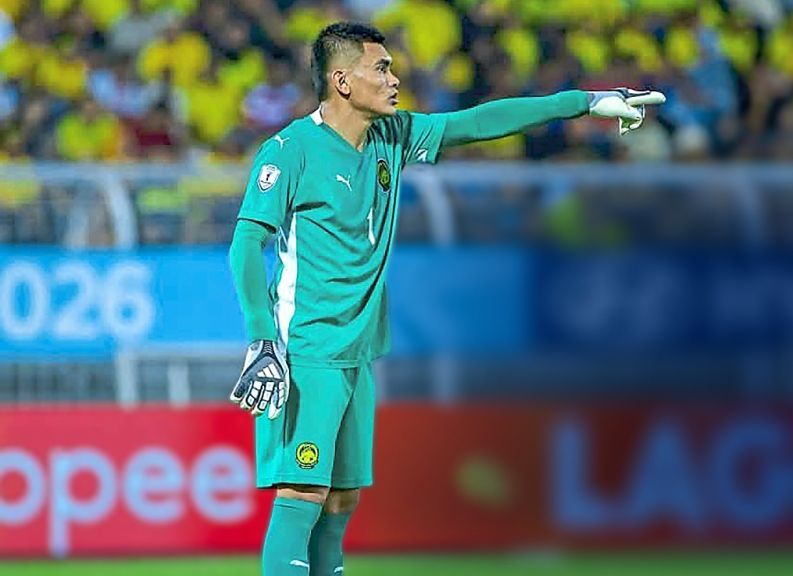
Malaysia's Hyundai AFF Cup ambitions suffered a major setback on Sunday when they fell to a 0-2 defeat against Vietnam in the semi-final first leg at Cheras Football Stadium in Kuala Lumpur. The loss leaves the Harimau Malaya facing an uphill battle in the second leg at the MyDinh Stadium in Hanoi, requiring a substantial victory against the tournament's defending champions to advance to the final.
The match proved frustrating for the home side from the outset, with Malaysia losing centreback Rodney Celvin Akwensivie to injury in the 15th minute. The early departure forced interim coach Tan Cheng Hoe to introduce young centreback Aysar Hadi Sapri, disrupting the team's defensive rhythm during a critical period. This early setback served as a precursor to a night of missed opportunities and defensive lapses that ultimately cost Malaysia any realistic chance of a positive result.
The most glaring opportunity came in the 34th minute when Malaysia's attacking prowess should have produced at least one goal. Following a low, threaded cross from leftback Faris Danish Asrul, captain and striker Paulo Josue found space to tap toward goal, but Vietnam goalkeeper Patrick Le Giang reacted superbly to deny the chance. Remarkably, just three seconds later, midfielder Daryl Sham George faced an empty net after the rebound, yet inexplicably skied the ball high into the stands in a moment that encapsulated Malaysia's wasteful finishing throughout the evening.
Vietnam's clinical approach contrasted sharply with Malaysia's profligacy. Before halftime, the visitors took the lead through a moment of poor Malaysian defending when wingback Truong Tien Anh delivered a sumptuous cross from the right flank. Xuan Son, left unmarked by the Malaysian defence, powered home a header that proved to be the opening goal and a turning point in the contest. The ease with which Vietnam breached the defensive line highlighted the gaps that Malaysia's interim coach would need to address before the crucial return leg.
The second half saw Malaysia increase their territorial possession as they sought to claw back into the contest, while Vietnam adopted a pragmatic approach centred on defensive solidity and dangerous counter-attacking breaks. This tactical approach proved effective, with the Vietnamese defence remaining resolute against Malaysia's attacking forays. However, a controversial moment in the 60th minute briefly created confusion when referee Rustam Lutfullin of Uzbekistan dismissed goalkeeper Patrick Le Giang for allegedly handling the ball outside his penalty area. The decision appeared harsh initially, but video assistant referee technology intervened, and the Uzbekistan official overturned the dismissal after reviewing footage that showed Le Giang had not actually used his hands to clear the danger.
Tan Cheng Hoe's attempts to inject fresh energy into Malaysia's attack proved unsuccessful despite introducing attacking options. The interim coach brought on winger Haqimi Azim Rosli and midfielder Ibrahim Manusi, with the latter marking his international debut by replacing Mahamadou Sumareh and Syafiq Ahmad respectively. While these substitutions appeared designed to provide additional creativity and attacking thrust, they failed to unlock Vietnam's organised defence or create the kind of clear-cut opportunities that might have reduced the deficit.
Vietnam's second goal in the 86th minute was particularly painful for Malaysia as it came through an own goal by Faris Danish Asrul, the same player whose earlier cross had been saved superbly by Le Giang. The own goal represented a cruel end to Malaysia's efforts and effectively sealed the fate of the first leg. This lapse in concentration during the closing stages meant Malaysia would need to overturn a two-goal deficit in Hanoi—a formidable challenge even for the most resilient team.
The defeat carries significant ramifications for Malaysian football's aspirations in the region. Vietnam's status as defending AFF Cup champions was evident from their professional, organised display, and Malaysia's failure to capitalise on home advantage at Cheras makes the task ahead considerably more difficult. The Harimau Malaya will need to demonstrate considerable character and tactical adjustment to have any realistic prospect of forcing a path to the final in the second leg.
Looking ahead to Hanoi, Malaysia face the daunting prospect of becoming only the second team in this semi-final to recover from such a deficit. The MyDinh Stadium presents a hostile environment for visiting teams, with Vietnam's home support typically providing an extra edge. For Malaysia to progress, they will require not only improved finishing and defensive organisation but also a significant emotional and tactical reset. The performance at Cheras, while containing elements of competence, ultimately lacked the intensity, precision, and clinical edge necessary to trouble a champion side.

