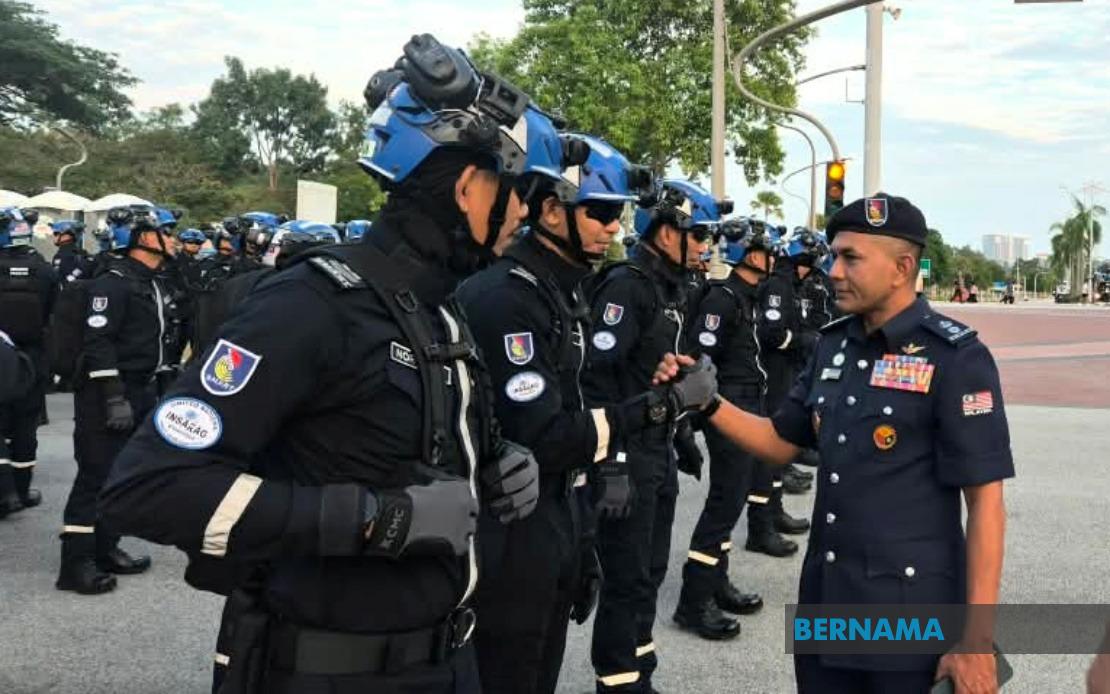
Malaysia's specialist disaster response team is standing by for deployment to Nepal, where catastrophic flooding and landslides have triggered a regional humanitarian crisis of unprecedented scale. The Special Malaysia Disaster Assistance and Rescue Team (SMART) has completed its preparations and awaits formal clearance from Nepalese authorities to commence search and rescue operations, according to the unit's commanding officer.
Senior Fire and Rescue Officer 1 Abdul Manaf Che Isa confirmed the readiness of the 112-strong contingent during National Day celebrations in Putrajaya on August 31. The team has been mobilized following Prime Minister Datuk Seri Anwar Ibrahim's announcement that Malaysia would dispatch SMART personnel to assist neighboring Nepal in its recovery efforts. The decision reflects Malaysia's commitment to regional humanitarian cooperation at a moment when the scale of the disaster has become starkly apparent—flash floods and landslides that struck Nepal's Rasuwa District on August 26 have since claimed 804 lives across Nepal and China's Tibet region, with nearly 3,300 people still reported missing.
The deployment represents a coordinated whole-of-government effort. Abdul Manaf emphasized that coordination mechanisms involving the Foreign Ministry, National Security Council, and National Disaster Management Agency are already in motion to facilitate the team's transition from readiness to active deployment. This institutional coordination reflects the complexity of international disaster response, where diplomatic channels, security protocols, and operational logistics must align before personnel can cross borders and commence sensitive emergency work.
Beyond immediate search and rescue operations, the Malaysian intervention carries a broader humanitarian mandate. The SMART team has been tasked not only with locating and extracting survivors, but specifically with identifying and assisting Malaysian nationals affected by the disaster. This dual focus underscores a critical reality for Southeast Asian citizens abroad—during transnational catastrophes, their home governments must mobilize resources to ensure their safety while simultaneously contributing to the host nation's overall relief effort.
Malaysia's response extends beyond personnel deployment. The government has committed USD1 million in financial assistance to support Nepal's immediate relief efforts and longer-term recovery programmes. This monetary contribution positions Malaysia among nations providing concrete material support during the critical early phase of disaster response, when cash resources are essential for purchasing emergency supplies, coordinating logistics, and sustaining rescue operations.
The situation confronting Nepal is particularly acute in scale. The August 26 flooding event has affected populations across a wide geographic area, with Rasuwa District among the hardest hit zones. The persistence of nearly 3,300 missing persons nearly a week after the disaster suggests ongoing search operations are hampered by terrain challenges, accessibility issues, and the sheer scale of destruction. In such environments, international assistance becomes not merely symbolic but operationally necessary—foreign teams bring specialized equipment, fresh personnel, and different technical expertise that can accelerate recovery efforts and locate survivors in areas where local resources may be stretched.
For Malaysian nationals caught in the disaster zone, the deployment carries direct personal significance. As of August 29, Wisma Putra reported 36 Malaysians uncontactable in China and 55 in Nepal following the floods. These figures represent individuals whose families have experienced days of uncertainty regarding their welfare. The Malaysian Embassy in Nepal, while actively coordinating aid efforts, depends on support from specialized rescue teams to fulfill its protective mandate toward citizens abroad. The SMART deployment thus addresses both Malaysia's diplomatic obligations and its humanitarian commitment to its own people.
The decision to deploy SMART also reflects evolving patterns of regional cooperation in Southeast Asia. Major disasters increasingly trigger immediate offers of international assistance, with neighboring nations recognizing that catastrophes transcend borders and that coordinated response capabilities save lives. Malaysia's readiness to deploy demonstrates the value of maintaining highly trained disaster response units and the importance of pre-established protocols that enable rapid mobilization when neighboring countries face emergencies.
From a broader strategic perspective, Malaysia's response to the Nepal disaster illustrates the country's positioning within the wider Indo-Pacific region. By offering specialized teams and financial resources, Malaysia demonstrates regional leadership in humanitarian affairs—a dimension of international relations that often receives less attention than military or trade relationships, yet carries significant soft power implications. Nations that respond generously and effectively to regional disasters build reputational capital and deepen relationships of mutual trust.
The humanitarian crisis unfolding in Nepal also raises important questions about disaster preparedness and climate resilience in the Himalayan region. Flash floods and landslides in mountainous terrain present particular challenges for response teams, as rescue personnel must operate in hazardous conditions where secondary disasters frequently occur. The involvement of international teams like SMART, which brings experience from diverse environments, can contribute valuable knowledge to Nepal's longer-term disaster management infrastructure.
Looking forward, the effectiveness of Malaysia's intervention will depend significantly on the speed at which Nepalese authorities grant formal approval for deployment. Every day that passes without rescue teams on the ground represents additional risk for missing persons. The institutional machinery that coordinates these decisions—diplomatic channels, security assessments, and on-ground coordination—must operate with both thoroughness and urgency. Once deployed, SMART personnel will face demanding conditions as they work in coordination with Nepalese authorities and other international teams to locate survivors and support the affected population through the critical early phase of recovery.

