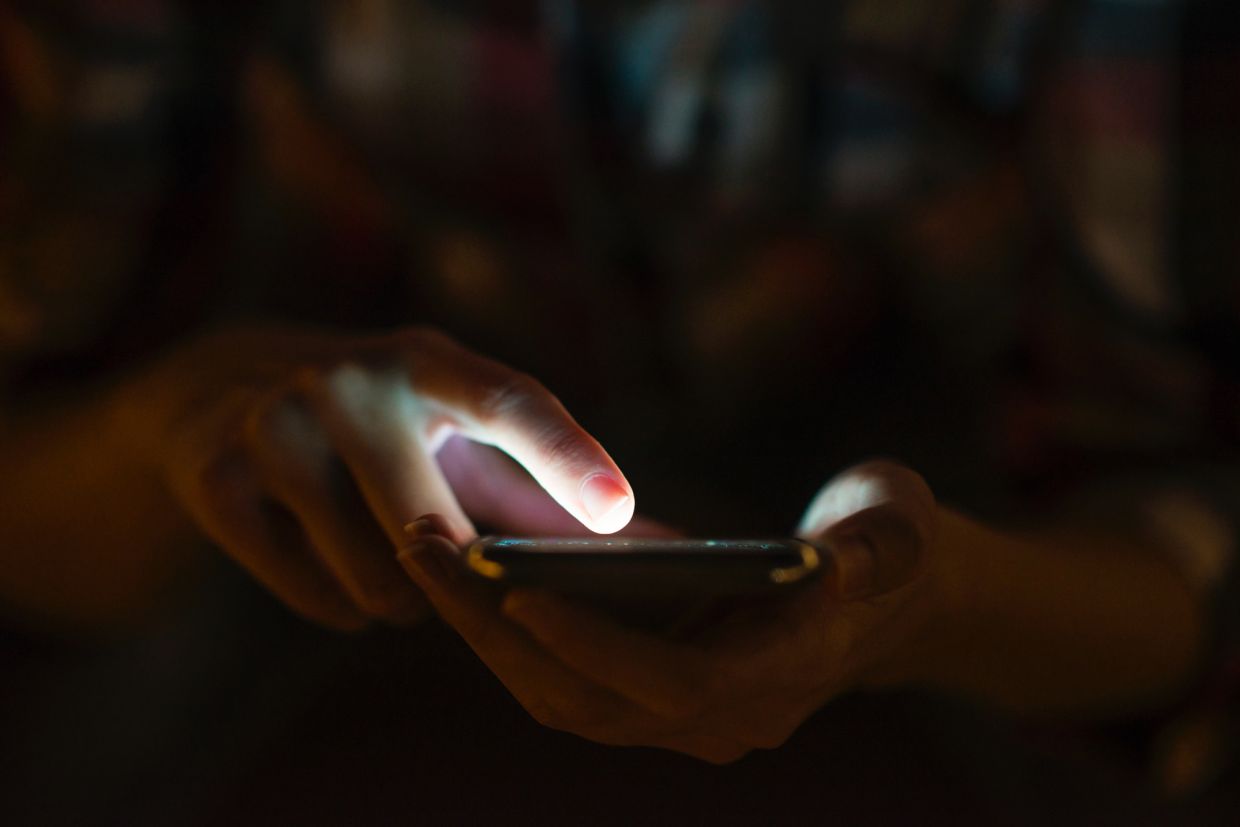
Malaysia's decision to restrict social media access for children under 16 has prompted intense debate among mental health professionals about whether the measure adequately addresses youth wellbeing or simply shifts the problem elsewhere. Communications Minister Datuk Fahmi Fadzil introduced the restriction citing protection from online risks, drawing support from prominent mental health figures while simultaneously triggering concern that a sweeping prohibition may oversimplify a complex issue affecting young people across Southeast Asia.
The urgency behind such restrictions reflects a global pattern of legal reckoning with social media platforms. TikTok recently agreed to settle three lawsuits brought by young Americans alleging mental health damage from platform use. Earlier this year, Meta and Google faced orders to compensate a young woman diagnosed with depression and anxiety linked to compulsive social media consumption, with damages set at US$6 million. A school district secured US$27 million from Meta, Snap, TikTok, and YouTube to avoid trial in a case citing student mental health crises, while New Mexico pursued its own accountability measure, ordering Meta to contribute US$567 million to a teen mental health fund after findings of liability for child welfare harm.
Proponents of Malaysia's age restriction point to documented psychological risks. Prof Datuk Dr Andrew Mohanraj, consultant psychiatrist and president of the Malaysian Mental Health Association, emphasises that children under 16 remain in critical developmental stages where emotional regulation and critical thinking are still forming, rendering them particularly vulnerable to adverse effects. He identifies anxiety and depression as established consequences of heavy adolescent social media usage, supported by research showing links between platform engagement and deteriorated sleep patterns, increased cyberbullying exposure, damaged self-esteem, and body image concerns among developing children.
Beyond immediate psychological harm, the restriction targets what experts describe as secondary developmental threats. Heavy media consumption has been associated with shortened attention spans, increased distractibility, and reduced academic performance—consequences that may compound disadvantage over years of schooling. The ban also limits exposure to content depicting self-harm and suicide, pornography, hate speech, and gambling solicitation, all of which multiply vulnerability during formative years. Dr Chung Kai Li, associate professor and head of psychology at the University of Nottingham Malaysia, recognises these protective dimensions while emphasising additional safeguards against harmful advertising and unwanted sexual contact.
However, experts caution that protection alone does not constitute sound policy. Both Prof Andrew and Dr Chung stress that supervised social media engagement offers genuine benefits for specific populations of young people. Isolated children facing chronic illness, social anxiety, or bullying frequently rely on online platforms as lifelines to connection and social participation. For such vulnerable groups, supervised digital access provides psychological support that offline environments may not offer. This consideration becomes particularly acute in Malaysia's diverse context, where geographic isolation, economic disadvantage, and social marginalisation affect many young people whose only accessible peer networks exist online.
Dr Chung further highlights that social media platforms serve legitimate developmental functions beyond entertainment. For young people addressing mental health challenges, these spaces foster awareness-building conversations and reduce stigma around psychological difficulties. Marginalised youth—including LGBTQ+ individuals, religious minorities, and others facing discrimination—often find community, validation, and information unavailable through offline channels. A blanket prohibition effectively denies such populations access to psychological resources that may be more protective than restrictive.
Lee Eun Hee, assistant professor at the School of Psychology at the University of Nottingham Malaysia, articulates the unintended consequences of absolute bans. She notes that some young people experience social interaction as less demanding and more psychologically accessible through online communication than face-to-face engagement, particularly those with social anxiety or neurodivergence. Prohibition forces such individuals back into isolation precisely when connection proves most therapeutic. Lee argues that complete surveillance alternatives—granting parents and teachers unrestricted access to all online interactions—represent an overcorrection that sacrifices adolescent privacy and the genuine developmental value of navigating relationships with increasing independence.
The more nuanced position emerging from these experts suggests that parental involvement and educational support offer more sustainable alternatives than prohibitive legislation. Lee emphasises that parents and teachers should remain engaged through open communication and caring attention rather than punitive monitoring, creating environments where young people feel comfortable discussing online contacts and raising concerns. This approach requires, however, that adults themselves receive education enabling them to understand how young people utilise digital spaces, recognise emerging risks authentically, and respond with support rather than invasive surveillance or punishment.
Dr Chung introduces a systemic perspective often absent from policy discussions focused narrowly on social media. Mental health outcomes result from complex interactions across individual, family, community, and societal levels. Risk factors including difficulties with emotion regulation, predisposition toward mental health conditions, substance use exposure, and adverse environmental stress all increase vulnerability to psychological harm—often more substantially than social media alone. By concentrating regulatory attention exclusively on platforms, policymakers may obscure more fundamental contributors to youth mental health crises, allowing underlying structural and familial dysfunction to remain unaddressed while celebrating symbolic restrictions.
The Malaysian policy thus reflects broader global tensions between the instinct to protect youth through prohibition and the evidence suggesting that developmental wellbeing emerges from more sophisticated engagement. Rather than treating social media as categorically harmful or beneficial, evidence increasingly points toward the necessity of differential approaches reflecting individual vulnerabilities, supervised access with clear boundaries, parental education enabling informed guidance, and simultaneous attention to the fuller ecosystem determining adolescent mental health. For Malaysia and the broader Southeast Asian region, the genuine challenge involves implementing protective measures without sacrificing the authentic psychological value that digital connection provides to isolated and marginalised young people whose offline alternatives remain severely constrained.

