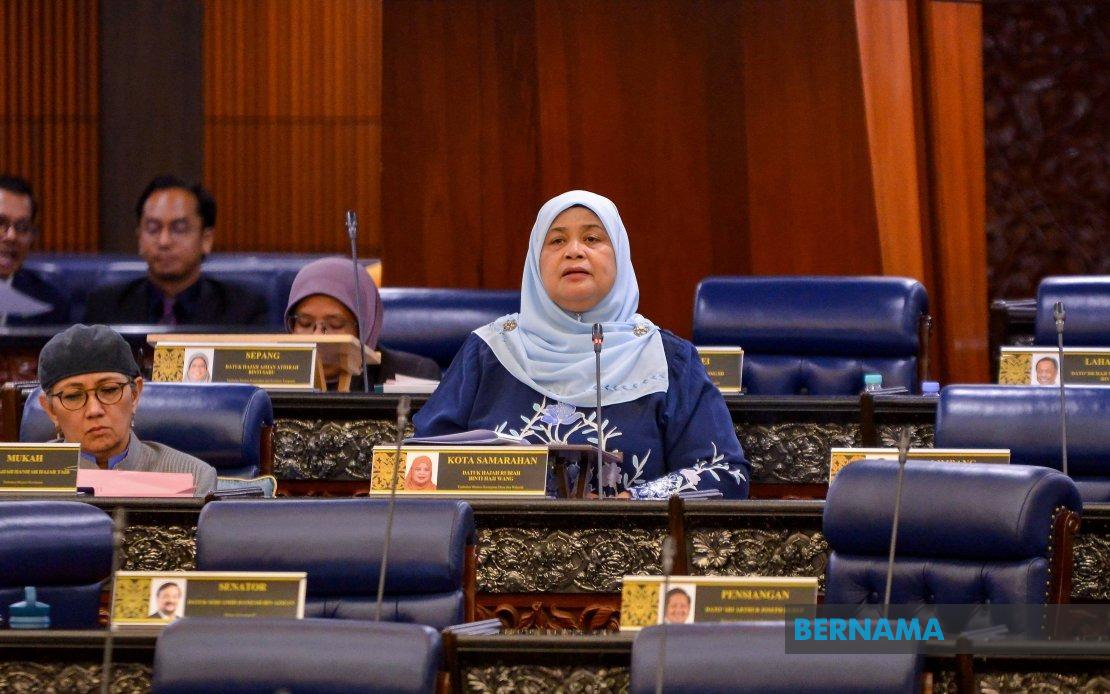
Malaysia is moving to significantly strengthen its Technical and Vocational Education and Training (TVET) system through a comprehensive accreditation overhaul that ties learning standards directly to what employers actually need. Deputy Minister of Rural and Regional Development Datuk Rubiah Wang announced the initiative in Parliament, describing it as a fundamental shift towards ensuring that vocational graduates enter the workforce with immediate relevance and competitive advantage in an increasingly technology-driven job market.
The core challenge driving this reform is the persistent mismatch between what vocational institutions teach and what industries require. By introducing accreditation mechanisms that include direct recognition from major industry partners, Malaysia aims to close this gap and boost employment rates among TVET graduates. This approach acknowledges a reality faced across Southeast Asia: thousands of technical graduates struggle to find work not because they lack qualifications, but because their skills do not align with actual market demands. The new framework positions Malaysia to address this systemic issue head-on.
Under the TVET 2.0 framework, the ministry is pursuing a dual strategy. First, it is embedding advanced technological competencies into curricula, ensuring graduates master tools and systems that define modern industry. Second, it is developing specialized training nodes across the country, each focused on particular technological domains. This geographic distribution of expertise serves the government's broader goal of spreading economic opportunities beyond urban centres and revitalizing rural economies through skilled workforce development.
The ministry has already established several focal institutions to lead this specialization effort. TVETMARA Petaling Jaya has become the primary centre for Internet of Things training, while TVETMARA Besut focuses on cloud computing infrastructure. TVETMARA Pasir Mas operates as a Building Information Modelling hub, reflecting the construction and infrastructure sector's digital transformation needs. Each institution represents a deliberate investment in equipping students with expertise in domains where Malaysia seeks competitive advantage regionally and globally.
Beyond conventional technical training, the framework includes an innovative component: the TVET Tahfiz programme. This initiative integrates Islamic education with digital technical skills, producing graduates who possess both strong spiritual foundations and advanced technological capabilities. The model reflects Malaysia's attempt to develop rounded professionals who can thrive in global markets while maintaining cultural and religious identity—a distinctive positioning that could appeal to Muslim-majority markets across the Organisation of Islamic Cooperation and Southeast Asia.
Artificial intelligence, Internet of Things, cloud computing, cybersecurity, automation, robotics, and smart manufacturing systems now form the backbone of training delivery across TVET institutions. These domains represent the frontier of Industry 4.0 transformation, and Malaysia's deliberate focus on them signals recognition that regional competitiveness increasingly depends on technological sophistication. Graduates equipped in these areas will be positioned to serve not just Malaysia but the broader ASEAN economic landscape, where digital infrastructure development and industrial automation present significant employment opportunities.
The German-Malaysian Institute adds an international dimension to this ecosystem. By facilitating the transfer of German industrial technology and advanced manufacturing expertise, the institute leverages bilateral cooperation to expose Malaysian trainees to world-class technical standards. Germany's reputation for precision engineering and industrial excellence provides a valuable learning framework, and this partnership model could be replicated with other technologically advanced nations to continuously upgrade training quality.
At the higher education level, Universiti Kuala Lumpur is positioning itself as a leader in advanced TVET through degree-level programmes such as the Bachelor of Artificial Intelligence Technology. This progression pathway acknowledges that vocational education is no longer a dead-end but a springboard to advanced qualifications. Students can build careers that evolve from technical certificates through diplomas to bachelor's degrees, creating pathways for ambitious vocational graduates to advance into specialized professional roles.
The emphasis on producing techno-entrepreneurs represents another strategic dimension. Rather than viewing TVET primarily as a means to create compliant employees, the framework encourages graduates to become job creators themselves. In Malaysia's rural regions, where employment opportunities are constrained, supporting TVET graduates to establish technology-enabled businesses could catalyze local economic development. This entrepreneurial orientation aligns with Malaysia's aspiration to move beyond extractive and low-value manufacturing towards knowledge-based economic activities.
For Malaysian employers, the accreditation transformation promises a more predictable talent pipeline. Companies will have greater confidence that TVET graduates possess verified competencies recognized across the sector, reducing the need for extensive on-the-job retraining. This efficiency gains appeal particularly to multinational corporations establishing or expanding operations in Malaysia, as it reduces their workforce preparation costs and accelerates productivity ramp-up.
Regionally, Malaysia's TVET 2.0 framework positions the country as a vocational education hub within ASEAN. As other Southeast Asian nations grapple with similar skills mismatches, Malaysia's model—combining industry accreditation, technological specialization, and entrepreneurial development—could become a reference point for policy makers. Malaysian institutions might attract regional students seeking quality technical training aligned with regional industry standards, creating an educational export opportunity.
The implementation of this framework will require sustained coordination between the Ministry of Rural and Regional Development, industry associations, multinational employers, and the institutions themselves. Success depends not merely on curriculum redesign but on creating genuine partnership mechanisms where industry leaders help shape learning objectives, provide equipment and facilities, and offer placement opportunities. As Malaysia pursues this transformation, the coming years will reveal whether accreditation mechanisms truly bridge the persistent gap between vocational training and labour market reality.

