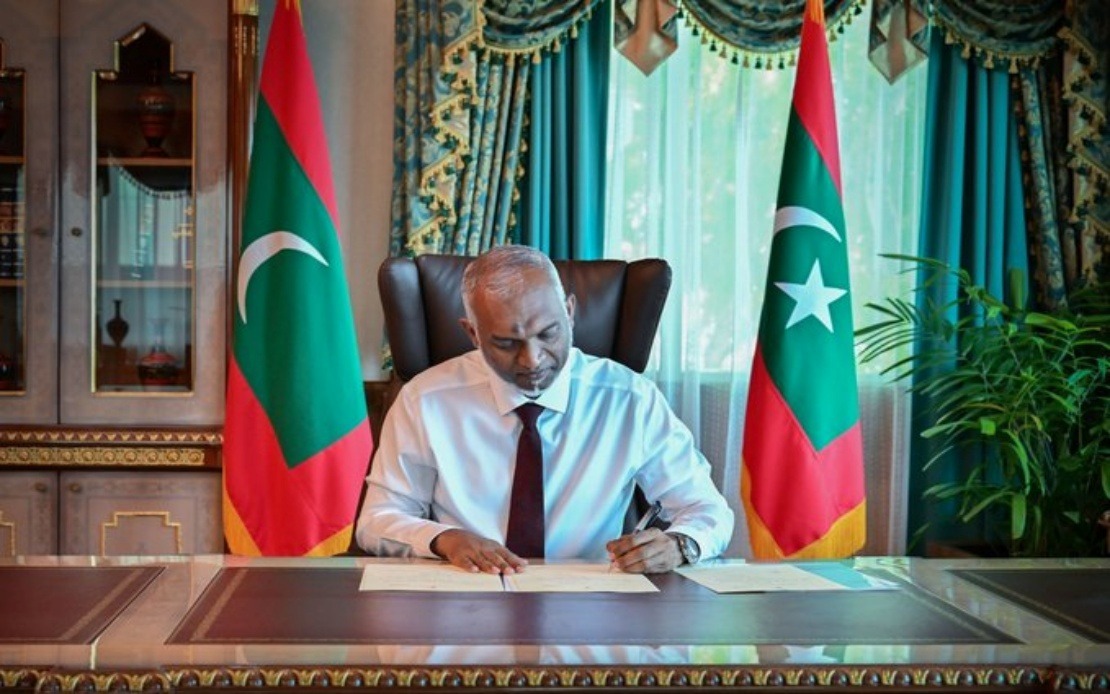
Maldives President Mohamed Muizzu has expressed strong support for Malaysia's National Day by sending formal greetings to His Majesty Sultan Ibrahim, King of Malaysia, and Prime Minister Datuk Seri Anwar Ibrahim, highlighting the deep historical connections that bind the two island nations together. The presidential messages, delivered on Monday, underscore the significance that the Male administration places on its relationship with Malaysia, a key regional partner in South and Southeast Asia.
In correspondence to Sultan Ibrahim, Muizzu reflected on the trajectory of Malaysia-Maldives relations, noting that the two countries have cultivated warm and enduring diplomatic ties spanning more than five decades. According to statements released by the Maldives presidency, these relations rest upon a foundation of genuine friendship, mutual respect for each other's sovereignty and development aspirations, and a demonstrated willingness to cooperate on matters of common interest. The Maldives leader used the occasion to reaffirm his personal and governmental commitment to elevating the partnership to new heights.
The message conveyed to Prime Minister Anwar Ibrahim emphasised the human dimension of the bilateral relationship. Muizzu pointed to the pattern of frequent high-level visits and exchanges between senior government officials as evidence of the relationship's robustness, reflecting a diplomatic cadence that keeps the two governments closely aligned. Beyond state-to-state engagement, the Maldives president highlighted the significance of people-to-people connections, recognising that cultural, educational, and social ties between Malaysian and Maldivian citizens form the bedrock of lasting international friendship.
Muizzu expressed confidence that the existing relationship would continue to flourish and expand in the coming years, particularly in economic spheres. The presidential statement indicated that both nations see considerable untapped potential for increased trade, investment cooperation, and commercial ventures that could benefit businesses and consumers in both countries. This forward-looking perspective suggests that Malaysia-Maldives engagement is not merely nostalgic reflection on past achievements but rather a pragmatic commitment to creating tangible economic opportunities.
The Maldives greeting forms part of a broader pattern of international acknowledgement of Malaysia's National Day, with neighbouring and distant nations alike using the occasion to publicly affirm their relationships with the country. Pakistan's Ministry of Foreign Affairs extended formal congratulations through social media platforms, characterising Malaysia as a brotherly nation while wishing the government and people sustained peace and prosperity. The phrasing employed by Pakistani officials reflects diplomatic conventions that emphasise long-term stability and welfare rather than specific bilateral initiatives.
India's approach to Malaysia's National Day celebrations carried particular significance given the two countries' efforts to strengthen their strategic partnership in recent years. India's Minister of External Affairs Subrahmanyam Jaishankar directed his greetings specifically to Foreign Minister Datuk Seri Mohamad Hasan, alongside broader messages to the Malaysian government and populace. Jaishankar's emphasis on advancing the existing Comprehensive Strategic Partnership demonstrates India's recognition of Malaysia as a priority nation in its regional diplomacy and its desire to build upon already substantial foundations of cooperation.
These international greetings collectively reflect Malaysia's standing as a significant regional player whose National Day celebrations attract formal recognition from major powers in South Asia and beyond. The timing and tone of messages from countries such as Maldives, Pakistan, and India suggest that Malaysia occupies an important position in the strategic calculations of nations seeking to maintain and expand influence across the Indian Ocean region and broader Asia-Pacific. For Malaysian policymakers, such recognition validates the country's diplomatic efforts to maintain a balanced and productive engagement with multiple international partners.
For Malaysian observers, the Maldives president's emphasis on economic cooperation carries practical implications. The two nations share maritime interests, tourism industries, and developmental challenges typical of island and coastal nations in tropical regions. Potential areas for deeper collaboration could include maritime security cooperation, tourism industry exchanges, fisheries management, and climate change adaptation—issues where both nations face similar pressures and could benefit from shared expertise and resources. The commitment expressed by Muizzu suggests openness to exploring these avenues.
The broader context of these National Day messages underscores how ceremonial occasions serve practical diplomatic functions in contemporary international relations. Beyond their symbolic value, such greetings establish or reaffirm shared understandings between nations and signal to domestic and international audiences the priority accorded to particular relationships. Malaysia's reception of warm messages from the Maldives and other nations demonstrates the country's successful navigation of regional diplomacy and its ability to maintain productive relationships across geopolitical divisions.

