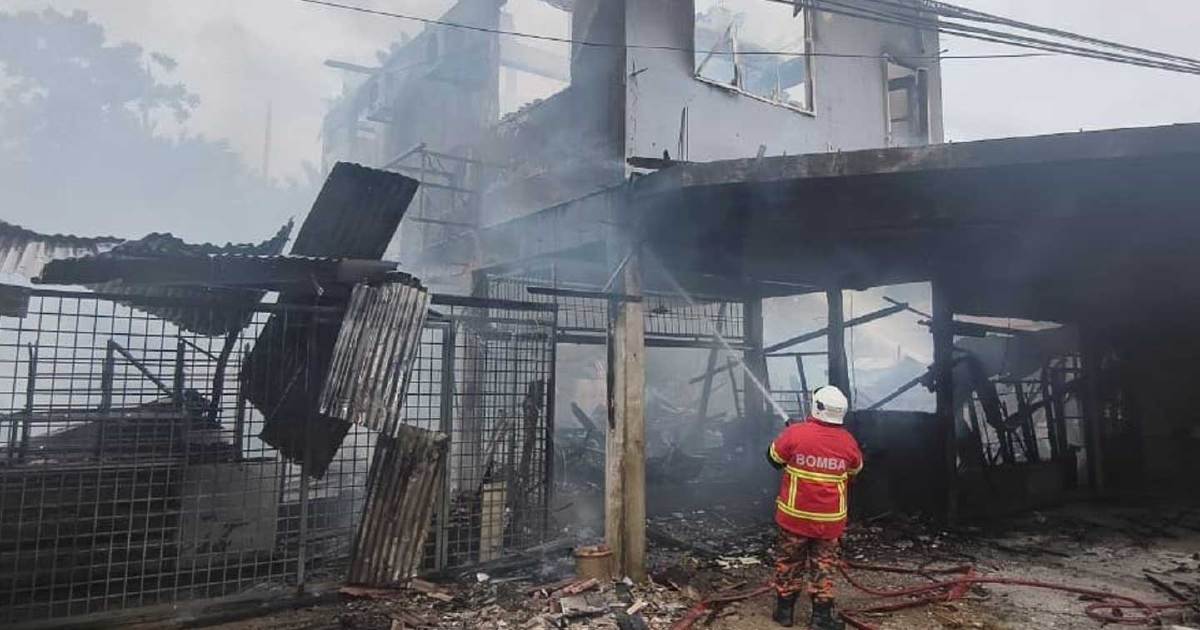
Authorities in Jitra have remanded a 36-year-old man for five days after he was taken into custody in connection with a fire that destroyed his mother's house in Kampung Sungai Baru. The extended detention period allows investigators to conduct further questioning and gather additional evidence as they seek to establish the circumstances surrounding the alleged arson.
The case highlights the concerning intersection of family dysfunction and property crime in Malaysian communities. House fires, particularly those involving family residences, often carry complex psychological and social dimensions that extend beyond the initial criminal act. Investigators will need to examine the relationship dynamics between the suspect and his mother, any prior conflicts, and the circumstances that may have led to the alleged incident.
Arson cases present unique investigative challenges for law enforcement agencies. Determining the origin of a fire, establishing accelerants used, and linking physical evidence to a specific individual requires careful forensic examination. The five-day remand period gives authorities time to collect witness statements, analyze fire scene evidence, and build a comprehensive case file before deciding on charges or seeking further detention.
Family violence and property destruction cases often reflect deeper issues within households that may have escalated over time. In this instance, investigators will likely examine whether the alleged act stemmed from disputes over inheritance, living arrangements, financial matters, or mental health concerns. Understanding the underlying causes is crucial for both the legal proceedings and potential social intervention.
The Jitra district, part of Kedah, has seen various crime incidents in recent years as the community continues to develop. This particular case draws attention to the need for early intervention programs targeting family disputes before they escalate into violent or destructive acts. Mental health support, family counselling, and conflict resolution services remain underutilized resources in many Malaysian communities.
From an investigative perspective, fire scenes require specialists trained in recognizing patterns of deliberate ignition versus accidental causes. Forensic engineers examine burn patterns, residue analysis, and structural damage to reconstruct how the fire started and spread. The presence or absence of accelerants, the location where the fire initiated, and witness accounts all contribute to establishing whether this was deliberate arson.
The mother's perspective and safety following this incident are also critical considerations. If the allegations prove accurate, this represents a serious breach of family trust and domestic safety. Authorities must ensure appropriate protective measures are in place, and any future contact between the suspect and his mother is carefully managed if he is ultimately released pending trial.
Malaysian courts take property destruction offences seriously, particularly when they involve arson and pose public safety risks. The Penal Code provides significant penalties for deliberately setting fires that endanger life and property. However, the judicial system also recognizes mitigating factors such as mental illness or extreme psychological distress, which may influence sentencing if conviction occurs.
Community safety implications extend beyond the immediate parties involved. House fires in residential areas can spread rapidly to neighbouring properties, endangering other families and stretching emergency services. This broader public safety dimension reinforces why law enforcement treats such incidents with priority and why remand periods are granted to allow thorough investigation.
The detention order reflects the court's assessment that there are reasonable grounds to believe an offence has been committed and that the suspect should remain in custody while evidence is gathered. If investigators determine they require additional time after the five-day period expires, they can seek an extension of remand, subject to the suspect's right to legal representation and judicial review.
This case underscores the importance of community awareness regarding family crisis intervention. Many states in Malaysia now offer domestic dispute resolution services and family counselling through local authorities and NGOs. Early intervention when tensions escalate can prevent situations from deteriorating into property damage or violence.
As investigations proceed, the case will move through Malaysia's criminal justice system. If sufficient evidence is gathered, the Public Prosecutor will determine whether formal charges should be filed. The eventual court proceedings will depend on the strength of forensic evidence, witness testimony, and the suspect's own account of events leading to the fire at his mother's residence in Kampung Sungai Baru.

