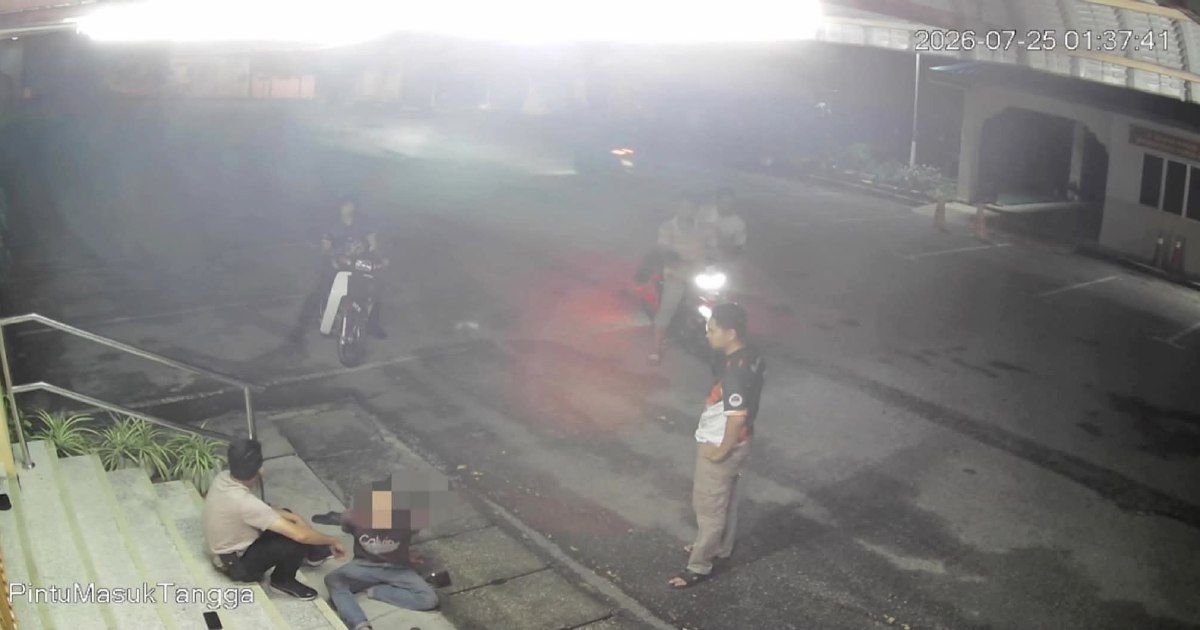
Police in Sungai Buloh have successfully concluded a hunt for a suspect linked to a series of thefts affecting Masjid Bandar Baru Sungai Buloh, with the arrest taking place this week. The apprehension marks a significant development in what appears to have been a troubling pattern of crime targeting the mosque's charitable collections.
The case highlights a recurring vulnerability that places of worship across Malaysia have faced in recent years. Donation boxes—commonly known as amal boxes—serve as critical collection points for mosque maintenance, community assistance programmes, and religious education initiatives. When these boxes become targets for theft, the impact extends far beyond the monetary loss, affecting the institution's ability to serve its congregation and broader community needs.
Investigators working on the case had been tracking the suspect's movements after multiple reports came in from mosque officials and worshippers. The repetitive nature of the thefts suggested a pattern of calculated behaviour rather than isolated opportunistic incidents. Each successful theft likely emboldened the individual to return, establishing what authorities describe as a criminal habit targeting the same location.
The arrest represents the culmination of surveillance efforts and investigative work conducted by local law enforcement. Officers had likely reviewed security footage, interviewed witnesses, and analysed the timing and frequency of incidents to narrow down suspects. Such methodical approaches have proven increasingly effective in resolving property crimes, particularly those targeting religious institutions where community members can provide detailed accounts of suspicious behaviour.
Mosques throughout Malaysia's urban centres have grappled with similar security challenges. While most thefts occur relatively infrequently, the cumulative effect of repeated losses can strain financial resources already stretched across multiple charitable and operational commitments. Many mosques have begun implementing upgraded security measures in response, including installing surveillance cameras in donation areas, installing locked collection boxes that require authorised opening, and scheduling regular collections to reduce the amount of cash accessible at any given time.
The incident also raises broader questions about personal circumstances that may drive individuals toward theft. Social workers and community leaders often note that crimes of this nature frequently stem from financial desperation rather than pure criminality. Understanding these underlying factors remains essential for developing preventive approaches alongside enforcement efforts, though this does not diminish the seriousness of targeting a religious institution's charitable resources.
For the Sungai Buloh community and the mosque's congregation, the arrest should bring reassurance that their concerns have been taken seriously by authorities. The resumption of uninterrupted religious activities without the shadow of ongoing crime represents a restoration of peace to the worship space. Congregants may now feel more confident about contributing to donation boxes, knowing that their charitable intentions will reach their intended destination rather than falling into a thief's hands.
The case serves as a reminder of the importance of robust security practices in places of worship. While mosques remain fundamentally welcoming spaces designed to encourage community participation and charitable giving, reasonable protective measures need not contradict those values. Strategic placement of security cameras, adequate lighting, and regular monitoring create an environment that discourages criminal activity while remaining open and accessible to legitimate worshippers.
Moving forward, this incident may prompt other religious institutions in the Klang Valley region to review their own security protocols. Law enforcement agencies often recommend that mosques work with local police to conduct security audits, implement recommended practices, and establish clear reporting procedures for suspicious activity. Building strong relationships between mosques and police departments enhances community safety while fostering mutual trust and cooperation.
The outcome of this case may also influence how authorities approach similar crimes targeting places of worship elsewhere in Malaysia. Each successful investigation and conviction sends a message that such crimes will be pursued diligently, potentially deterring others from attempting similar offences. The relatively swift arrest and conclusion of this investigation demonstrate that even property crimes, which sometimes receive lower investigative priority than other offences, can be solved through determined police work and community support.
As the investigation transitions into the judicial process, the community will be watching to see how the courts handle this matter and what sentence is ultimately imposed. Such outcomes help establish precedent and deter future similar crimes. Meanwhile, the mosque can focus on rebuilding community confidence and ensuring that its charitable mission continues unimpeded, with worshippers assured that their contributions will fulfill their intended purpose of supporting religious and community welfare activities.

