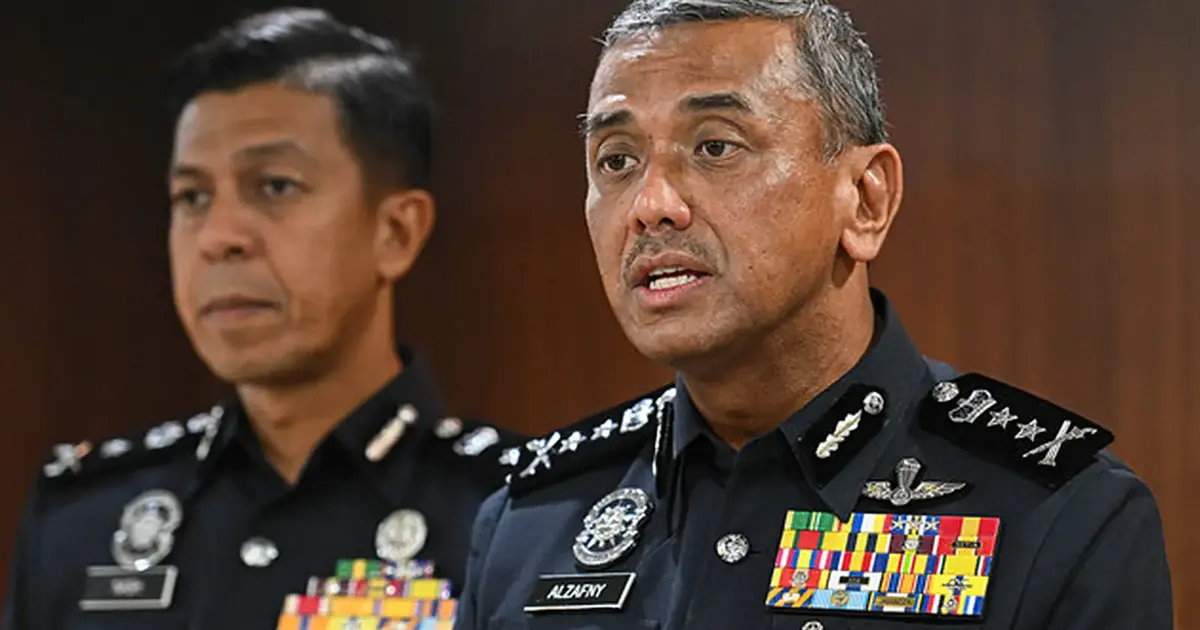
A man has been taken into custody by Negeri Sembilan police following allegations that he posted insulting remarks about the state's royal family on social media, marking another enforcement action under laws designed to protect the dignity of Malaysia's constitutional monarchy. The arrest, confirmed by state police chief Alzafny Ahmad, reflects ongoing efforts by law enforcement to monitor online content that may breach provisions protecting royal institutions.
Authorities also seized the suspect's mobile phone to facilitate their investigation into the alleged post. Such seizures are standard procedure in cases involving online statements that police believe may contravene legislation governing respect towards the monarchy. The phone will be examined by investigators to gather evidence and establish the full context and reach of the alleged insulting material.
This incident underscores the sensitivity surrounding the monarchy in Malaysia, where strict laws exist to safeguard the reputation and honour of royal families at both federal and state levels. The Negeri Sembilan royal institution, like its counterparts in other Malaysian states, holds significant cultural and constitutional importance within the state's governance structure and community identity.
Online conduct has become an increasingly significant concern for Malaysian law enforcement agencies, particularly as social media usage expands and the viral nature of digital communication means that contentious posts can reach large audiences rapidly. Police forces across the country have stepped up monitoring of digital platforms to identify content that violates various statutes, including those protecting royal dignity and constitutional institutions.
The Negeri Sembilan case illustrates how police interpret and enforce laws relating to insulting remarks about royalty in the digital age. What constitutes an insulting post can sometimes be a matter of interpretation, yet authorities maintain that protection of the monarchy's dignity remains a priority, particularly given the institution's constitutional role in Malaysia's system of government.
Such arrests are not uncommon in Malaysia, where individuals have previously faced legal action for social media posts deemed disrespectful towards the monarchy. These cases often generate public discussion about the balance between protecting royal institutions and preserving freedom of expression, an ongoing tension in Malaysian society and jurisprudence.
For Malaysian internet users, particularly those in Negeri Sembilan, the arrest serves as a reminder of the legal boundaries surrounding online expression. While free speech is valued, Malaysian law clearly delineates certain boundaries, and social media users cannot assume anonymity or absence of consequences when posting content about sensitive national and state institutions.
The investigation's progression will likely determine what specific charges, if any, the suspect faces. Several statutes could potentially apply depending on the nature and context of the alleged post, including provisions under laws designed to maintain public order and protect royal honour. The seizure of the mobile phone suggests a thorough examination of the suspect's communications and digital activity.
Alzafny Ahmad's statement regarding the arrest represents official acknowledgement of police action and sets the tone for public understanding of the case. As police chief, his communications about such matters are typically calibrated to inform the public while emphasizing law enforcement's commitment to maintaining social harmony and protecting constitutional institutions.
The case also reflects broader regional patterns, as neighbouring Southeast Asian countries similarly enforce laws protecting their respective royal families from disparaging remarks. However, Malaysia's approach remains distinctive in both its legal framework and enforcement intensity, particularly regarding online content.
Moving forward, the investigation will determine the outcome and any potential prosecution. Such cases often proceed through the court system with varying outcomes depending on evidence presented and legal arguments made by both prosecution and defence. The case may also influence how individuals and social media users approach discussing sensitive topics online.
For observers monitoring Malaysian civil liberties issues, this arrest will join a growing list of similar cases that reflect the country's complex balance between protecting respected institutions and accommodating diverse viewpoints in an increasingly connected digital society. The investigation outcome may set precedent for how similar future cases are handled by authorities.

