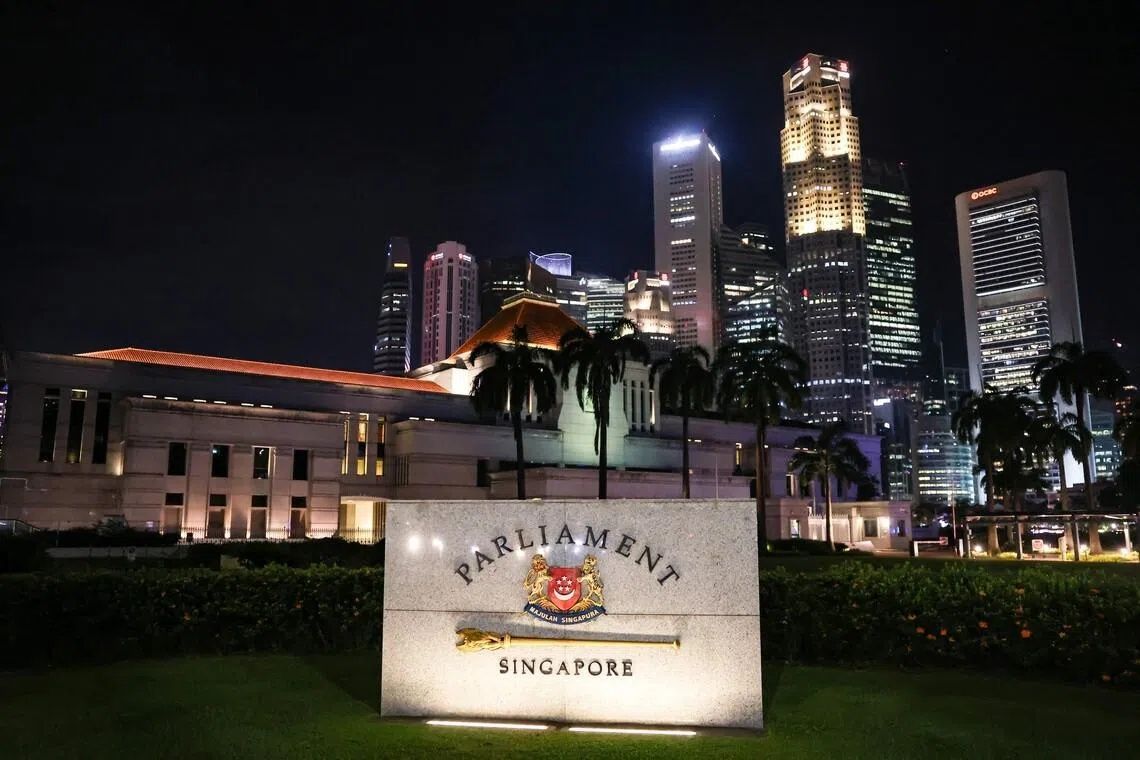
Singapore authorities have charged a 40-year-old man for orchestrating a pair of hoax bomb threats targeting critical government installations, including Parliament House, in early July. The arrests and pending legal action underscore the serious consequences that Singapore's law enforcement attaches to security breaches and public alarm, even when no actual explosive devices materialise.
The first incident occurred on July 3 when the Home Team Science and Technology Agency (HTX) received a suspicious online submission claiming an explosive device had been planted at its One North facility. Four days later, on July 7, authorities received separate notification of an anonymous email directed at the Prime Minister's Office alleging a bomb had been positioned at Parliament House. Police responded swiftly to both reports, initiating comprehensive security protocols at each location.
Security personnel conducted extensive and systematic sweeps of both the Parliament House complex and the HTX building at One North, extending their inspections to surrounding areas. Despite the thoroughness of these checks, no suspicious items or devices of any security concern were discovered at either venue. The all-clear findings brought relief to the buildings' occupants, though not before significant disruptions to normal operations.
Detectives working with Singapore's Criminal Investigation Department and Central Police Division methodically traced the communications originating from both incidents. Their investigation established that the same perpetrator had authored both threatening messages, moving swiftly to apprehend him on July 7, the same day the Parliament House threat emerged. This rapid linkage of the two incidents to a single source reflected the sophisticated investigative capabilities deployed in response to potential terrorism-related offences.
Electronic devices recovered from the suspect's possession during his arrest are believed to have facilitated the transmission of both false threats. Police have seized these items as evidence in the ongoing prosecution. The forensic examination of these devices will likely form a crucial component of the prosecution's case, establishing the technical means by which the accused orchestrated the hoaxes.
The formal charge against the man falls under Singapore's legislation against communicating false information of a harmful thing. This statutory offence carries substantial penalties designed to deter similar conduct and protect public institutions from frivolous security threats. The potential consequences for conviction include imprisonment of up to seven years, a financial penalty reaching S$50,000, or both sanctions imposed concurrently.
For Malaysia and other Southeast Asian nations, this case illustrates the region's coordinated approach toward security threats and public alarm offences. Singapore's swift and decisive response demonstrates the zero-tolerance stance that developed economies in the region maintain toward hoax threats. The penalties imposed provide a strong deterrent against similar conduct that might otherwise proliferate in an era of instantaneous digital communication.
The broader implications extend to cybersecurity and digital accountability across Southeast Asia. As governments increasingly rely on online systems for citizen notifications and administrative functions, the vulnerability of these channels to malicious use becomes heightened. The case underscores the necessity for robust digital security infrastructure and the legal frameworks that support prosecutions of those who exploit such systems for false alarms.
Police authorities have warned explicitly that false bomb threats generate unnecessary public anxiety and squander substantial state resources that could otherwise address genuine security concerns. This messaging appears directed not only at potential offenders but also at the general public, reinforcing norms against participating in or propagating unverified threat information. In densely populated urban environments like Singapore and Malaysia's major cities, such diversions of emergency response capacity carry amplified consequences for public safety.
The case also reflects the sophisticated coordination between different law enforcement agencies in Singapore's response architecture. The involvement of both the Criminal Investigation Department and Central Police Division illustrates how serious security incidents trigger interagency cooperation. This model of institutional coordination has relevance for Malaysian authorities as well, particularly given the need for seamless communication between federal and state-level security agencies.
From a civil society perspective, this prosecution sends a signal about the boundaries of acceptable discourse surrounding government institutions and public security. While Singapore maintains robust free speech protections in many contexts, threatening communications directed at Parliament or senior government officials occupy a different legal category entirely. The distinction between legitimate political criticism and actionable threats remains a live issue in courts across Southeast Asia.
The defendant's July 9 court appearance will provide formal notice of the charges and opportunity for bail consideration. Depending on the evidence presented at trial, the case may generate further discussion about digital communication monitoring, the adequacy of cybersecurity measures protecting government systems, and whether existing penalties sufficiently deter such conduct. The outcome will likely inform policy discussions in other Southeast Asian democracies grappling with similar security challenges in an increasingly connected world.

