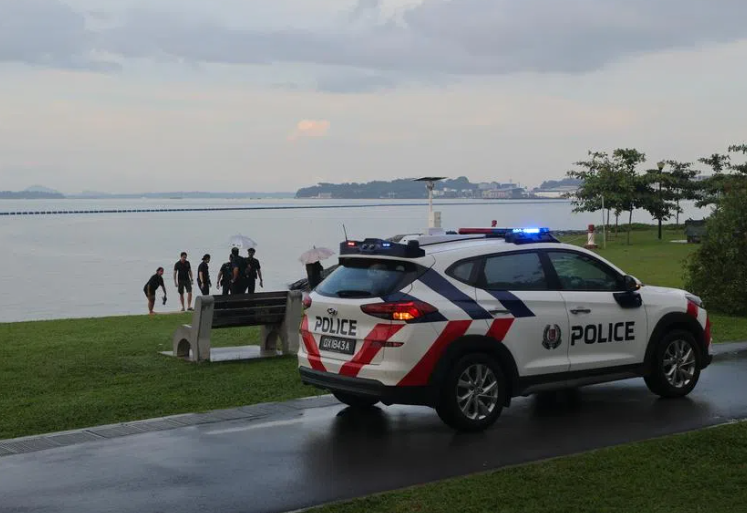
A recreational outing turned tragic when a 24-year-old man was fatally struck by lightning while paddleboarding off Singapore's Pasir Ris Beach on Sunday, July 5. The incident, which occurred around 4.50pm, claimed one life and left six others injured, ranging in age from 13 to 54 years old. The young man was initially conveyed unconscious to hospital, where he subsequently died despite emergency intervention efforts. The surviving victims remained conscious when transported to medical facilities, with five of them admitted to Sengkang General Hospital while two children received treatment at KK Women's and Children's Hospital.
Police investigations into the incident revealed no signs of criminal activity or foul play. The authorities, who were alerted to the emergency at 131 Pasir Ris Road, have classified the death as a tragic accident resulting from natural causes. Officers arrived at the scene where Singapore Civil Defence Force personnel were already conducting emergency response operations, including cardiopulmonary resuscitation attempts captured in footage recorded shortly after 5.10pm.
According to eyewitness accounts and local media reports, the group had been engaged in kayaking and paddleboarding activities when the lightning struck without warning. Muhammad Fairuz, a 40-year-old delivery rider who was fishing at the beach, provided crucial testimony about the incident's circumstances. He recalled that the paddleboarding group was approximately 100 metres offshore shortly after 4pm when the strike occurred, noting that the sky had appeared relatively clear at the time. The intensity of the electrical discharge was such that Fairuz, standing on shore, felt the current travel through his fishing rod, underscoring the raw power of the natural phenomenon.
The sequence of events unfolded with startling speed. After the lightning made contact with the water, Fairuz heard urgent shouting from the distressed paddleboarders. One man lay unconscious on his paddleboard while his companions desperately paddled their kayaks back toward the shore. Demonstrating quick thinking and bravery, Fairuz and another beachgoer immediately launched their own kayaks to reach the stricken man. Their rescue effort successfully brought the victim back to land, where emergency responders took over with resuscitation attempts visible in video footage from the scene.
The incident underscores a persistent meteorological challenge facing Singapore and Southeast Asia's tropical maritime environment. According to the Meteorological Service Singapore, the nation experiences an average of 176 lightning days annually, a measurement defined as any day recording at least one lightning occurrence detected at the Changi climate station. This frequency means that thunderstorms capable of producing dangerous electrical discharges are far from uncommon in the region, particularly during monsoon seasons when atmospheric instability peaks.
This is not the first lightning-related fatality Singapore has recorded in recent months. In May of the same year, a worker employed at a fish farm perished after being struck by lightning while working outdoors. Additionally, in December 2023, three workers required hospital admission after lightning struck near their construction or work site, though they survived their injuries. These recurring incidents highlight the genuine occupational and recreational hazards that lightning poses to those working or leisure-seeking near open water and exposed areas in the city-state.
The tragedy raises important questions about beach safety protocols and public awareness during weather fluctuations. While clear skies may suggest relative safety, the speed with which atmospheric conditions can change—and the ability of lightning to strike from seemingly distant thunderstorms—means swimmers and water sports enthusiasts face risks that are not always visually apparent. Emergency response systems in Singapore responded rapidly to Sunday's incident, with the Light Fire Attack Vehicle and ambulance service demonstrating the coordinated efficiency typical of the nation's civil defence capabilities.
For Malaysian and broader Southeast Asian readers, the incident serves as a sobering reminder of nature's unpredictability in tropical climates. The region's geographical positioning and seasonal weather patterns create environments where lightning activity is statistically elevated compared to temperate zones. Paddleboarders, kayakers, swimmers, and those engaged in water-based recreation or work should remain vigilant about weather forecasting and be prepared to vacate exposed water bodies when thunderstorms approach, even if the immediate sky appears clear.
The fatality also reflects the broader challenge of balancing recreational opportunity with environmental risk in densely populated coastal cities. Singapore's beaches attract thousands of visitors weekly for swimming, water sports, and fishing activities. As climate patterns potentially intensify extreme weather events, the imperative for better public education about lightning dangers becomes increasingly important. Local authorities and recreational facility operators may need to consider enhanced warning systems and clearer advisory guidelines to minimize future tragedies.

