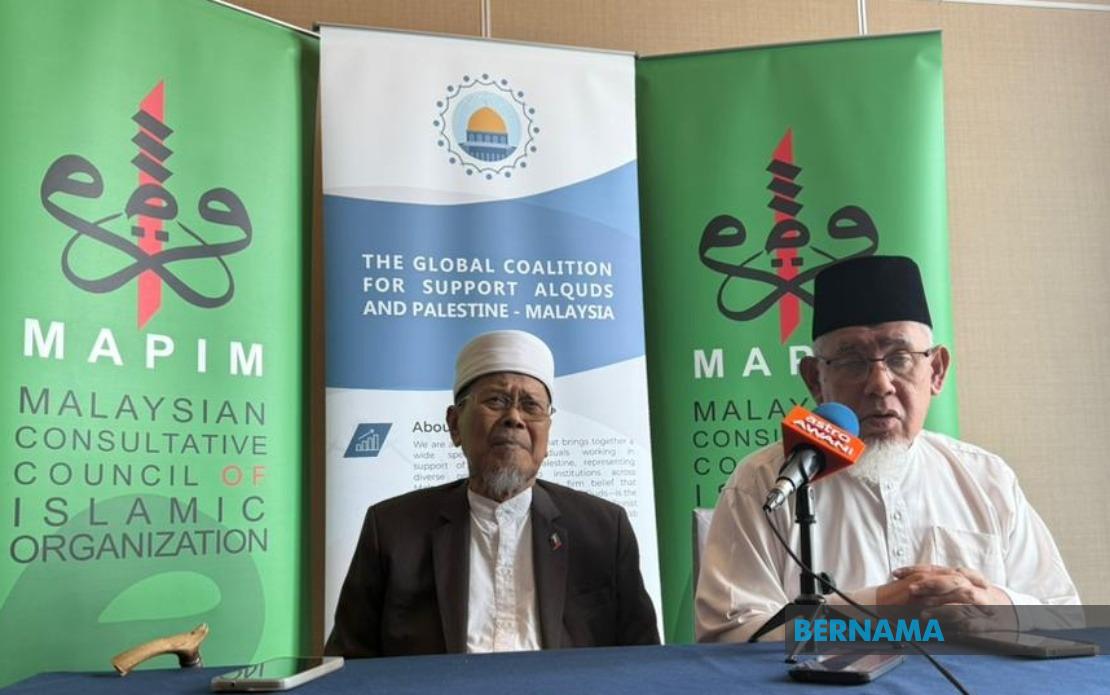
The Malaysian Consultative Council of Islamic Organisations will launch a humanitarian intervention in Nepal beginning September 5, responding to one of the region's most destructive natural disasters in recent years. The mission represents Malaysia's coordinated effort to assist victims of the devastating flash floods that struck the Himalayan nation on August 26, claiming nearly 500 lives and leaving more than 1,400 people unaccounted for across affected communities.
Declaring the initiative at a press conference in Ipoh, MAPIM president Mohd Azmi Abdul Hamid outlined a structured approach to relief efforts, beginning with a preliminary assessment phase. An initial contingent of four MAPIM volunteers will travel to Nepal to evaluate the humanitarian situation on the ground, identify priority needs in devastated areas, and establish coordination mechanisms for distributing aid to affected populations. This reconnaissance phase represents standard practice for rapid-response humanitarian organisations seeking to maximise the effectiveness of relief supplies and volunteer labour in complex disaster scenarios.
The catastrophe unfolded when a massive avalanche triggered torrential flash floods that tore through mountain rivers in the Himalayas, transforming them into destructive channels of rock, ice, mud and debris. The deluge swept across villages and critical infrastructure positioned along a heavily trafficked trekking corridor linking Kathmandu to Lhasa in Tibet, disrupting both settlements and international transit routes. The scale of destruction extended beyond national borders, with approximately 540 foreign nationals among the confirmed casualties and missing persons, underscoring the international dimensions of this humanitarian emergency.
Malaysia faces particular concern regarding the welfare of its own citizens caught in the disaster. The Ministry of Foreign Affairs documented 57 Malaysian nationals remaining unaccounted for as of late August 27, based on notifications from family members, friends and employers. This figure positions Malaysia among nations with significant missing populations, reflecting the country's strong engagement with Nepal's tourism and trekking industries. Families awaiting news of their loved ones have prompted official monitoring and coordination efforts throughout Malaysian government agencies.
Recognising the urgency of coordinated assistance, MAPIM has deliberately designed its response to encompass multiple organisational partners rather than operating in isolation. The council contacted Nepal's Embassy to obtain preliminary situational briefings before launching operations, demonstrating diplomatic coordination alongside humanitarian action. Beyond MAPIM's own volunteers, the mission framework incorporates MyCare, an established Malaysian humanitarian organisation, alongside two local Nepali NGOs positioned to understand on-ground realities and cultural contexts essential for effective aid delivery.
Mohd Azmi identified medical supplies as the foremost humanitarian requirement currently facing flood-affected populations, with pharmaceutical products and emergency health equipment representing the initial focus of procurement efforts. Following medical prioritisation, the mission will facilitate distribution of essential food packages to survivors and displaced communities, addressing immediate survival needs. This sequencing reflects humanitarian assessment principles emphasising life-saving medical intervention before secondary survival support, prioritising interventions with greatest immediate impact on mortality reduction.
The breadth of this multilayered response demonstrates how Malaysian civil society organisations increasingly coordinate with government structures and international partners during regional crises. Rather than fragmented relief efforts, MAPIM's model emphasises strategic collaboration, with the council planning to brief Prime Minister Datuk Seri Anwar Ibrahim on mission details and progress. This approach signals Malaysia's commitment to projecting not merely financial aid but also personnel, expertise and institutional capacity toward supporting neighbouring nations experiencing catastrophic events.
The Nepal disaster underscores the intensifying climate risks confronting South Asian mountain communities. Avalanche-triggered flash floods represent a particular hazard in the Himalayas, where warming patterns, precipitation shifts and glacial changes increasingly generate sudden hydrological emergencies. Malaysia's engagement with Nepal relief efforts reflects Southeast Asian recognition that disaster preparedness and mutual assistance extend beyond ASEAN borders toward the broader Asian region sharing interconnected climate vulnerabilities and growing people-to-people links.
For Malaysian stakeholders, the MAPIM mission carries symbolic significance beyond immediate relief delivery. It demonstrates the Malaysian Muslim community's commitment to humanitarian principles transcending religious or national boundaries, positioning Islamic-led organisations as constructive regional actors contributing to human welfare during emergencies. This dimension carries particular resonance given international attention to how Islamic organisations engage in development and humanitarian contexts across Asia.
The deployment also reflects practical realities of Malaysian engagement with Nepal, where tourism, trekking expeditions and people-to-people exchanges create ongoing ties. Many Malaysian trekkers traverse the same Kathmandu-to-Lhasa route where the disaster occurred, personalising the tragedy within Malaysian consciousness and generating grassroots support for relief efforts. The coordination involving multiple organisations suggests that Malaysian civil society possesses both the capacity and the will to mobilise resources efficiently when regional emergencies demand rapid international response.
Looking ahead, MAPIM's initiative may establish frameworks for sustained Malaysian humanitarian engagement with Nepal during what will likely prove an extended recovery period. Initial relief missions typically evolve into longer-term reconstruction support, rehabilitation programmes and capacity-building initiatives addressing underlying vulnerabilities exposed by disaster. The Malaysian volunteers and partner organisations positioned in Nepal during September may thus represent the beginning of sustained engagement spanning months or years.

