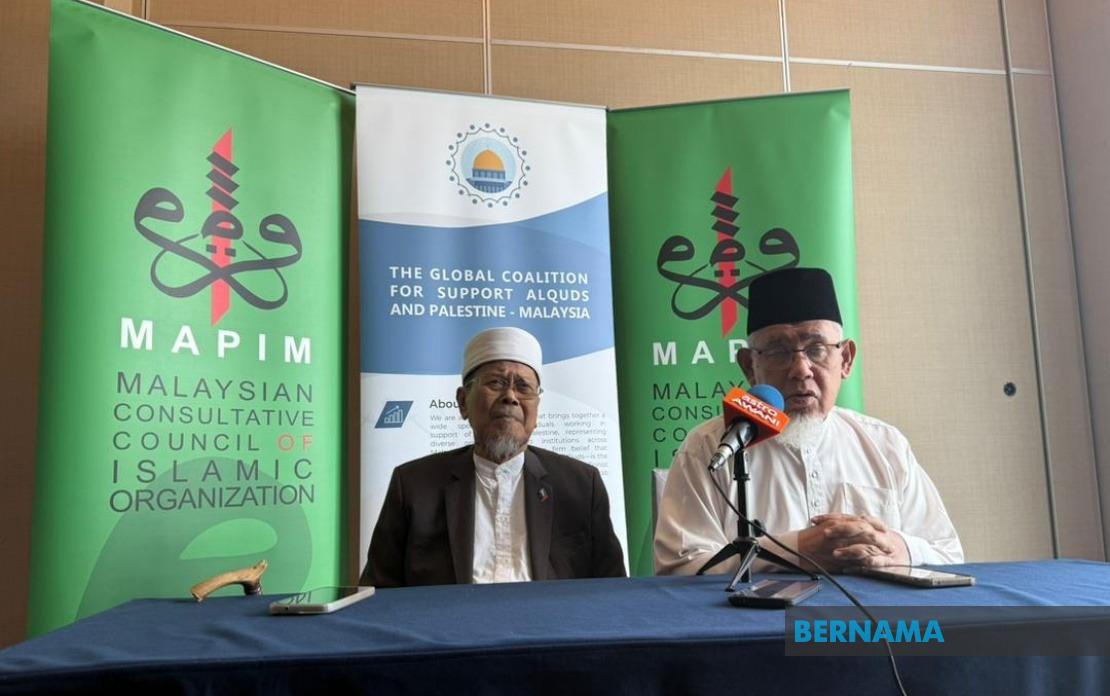
The Malaysian Consultative Council of Islamic Organisations (MAPIM) is convening a landmark two-day Regional Mosque Conference 2026 in Ipoh, drawing together mosque representatives from across Southeast Asia and beyond. Commencing tomorrow, the gathering will bring approximately 400 delegates from Malaysia, Indonesia, Singapore, Brunei, Timor-Leste, Myanmar, Cambodia, Thailand and Vietnam, alongside participants from Turkiye, Iran and Pakistan. The conference represents a significant effort to strengthen institutional ties among Islamic organisations across the region at a time when regional cooperation frameworks are gaining prominence.
The timing of the conference aligns with the commemoration of World Mosque Day on August 21, observed internationally to honour the memory of the 1969 arson attack on Al-Aqsa Mosque in Jerusalem. MAPIM president Mohd Azmi Abdul Hamid emphasised that the organisation views this annual observance as more than symbolic gesture. Rather, the council sees it as an opportunity to reinvigorate the mosque's traditional role as a robust institutional pillar within Muslim communities, moving beyond ceremonial acknowledgement toward concrete action and sustained engagement with contemporary challenges.
The conference framework encompasses seven core objectives designed to create lasting institutional impact. Among these are establishing a formalised regional cooperation network specifically linking mosques across participating nations, mobilising youth participation in mosque activities, integrating economic initiatives within communities, and deepening collaborative relationships with Islamic non-governmental organisations. This multi-layered approach reflects recognition that effective mosque-centred community development requires coordination across multiple stakeholder groups and sectors.
Mohd Azmi outlined an ambitious agenda extending beyond the conference itself. The gathering will generate a formal declaration and actionable implementation plan that participating organisations can adopt and execute following the event. This emphasis on translating dialogue into documented commitments distinguishes the conference from purely consultative forums, establishing clear deliverables and accountability mechanisms that participating institutions can track and report on.
The conference programme combines academic rigour with focused advocacy initiatives. Scheduled activities include scholarly presentations, international dialogues exploring current issues, and dedicated sessions examining the situation in Palestine and the status of Al-Aqsa Mosque. This hybrid format balances knowledge-sharing with mobilisation around what organisers frame as pressing humanitarian concerns, particularly those affecting Muslim communities and Islamic heritage sites globally.
Three significant initiatives will be formally unveiled during the conference, each addressing distinct organisational priorities. A regional mosque coalition dedicated to supporting Palestine represents an institutional commitment to collective advocacy on this geopolitical issue. Simultaneously, MAPIM will launch a comprehensive publication examining the evolving role of mosques in contemporary society, and introduce the MAPIM Gold Dinar scheme—a fundraising mechanism designed to simplify public participation in supporting the Al-Aqsa Mosque Fund. The gold dinar concept taps into Islamic heritage while modernising fundraising approaches for international religious causes.
The MAPIM Gold Dinar warrants particular attention for Malaysian observers. As a financial instrument facilitating donations toward Al-Aqsa Mosque preservation, it represents an innovative approach to mobilising diaspora and community resources for overseas religious causes. The scheme also reflects broader trends within Islamic finance, where traditional concepts are being adapted to contemporary economic contexts. For Muslim-majority Malaysia, where such initiatives resonate strongly, the instrument may gain traction if distribution channels are established domestically.
Mohd Azmi articulated the broader strategic vision underpinning the conference initiative. MAPIM hopes the gathering will generate substantial impact within regional Muslim communities and transmit a clear message about the necessity for Muslims throughout Southeast Asia to engage proactively in strengthening institutional mosque infrastructure and advancing their societal roles. This framing positions mosques not merely as places of worship but as community anchors with responsibilities extending into social, economic and educational domains.
For Malaysia specifically, the conference underscores the country's positioning as a convener of regional Islamic cooperation and institutional dialogue. Ipoh's selection as host venue, alongside collaboration with the Perak Islamic Religious Department (JAIPk), reflects Malaysia's established role facilitating Islamic organisational networks. The involvement of Islamic authorities from Perak at the state level demonstrates integration between federal and state-level Islamic governance structures in supporting such initiatives.
The gathering also carries significance for understanding Southeast Asian Islam's institutional evolution. The participation of representatives from majority-Muslim Indonesia and Brunei, alongside Muslim-minority nations like Thailand, Vietnam and Myanmar, suggests expanding cross-border cooperation among Islamic organisations regardless of demographic composition. This approach may strengthen regional coordination on humanitarian issues, Islamic heritage preservation and community development challenges that transcend national boundaries.
The Palestine and Al-Aqsa Mosque emphasis, prominently featured in conference programming and fundraising initiatives, reflects sustained engagement by Southeast Asian Islamic organisations with Middle Eastern geopolitical concerns. This commitment, while longstanding, continues shaping regional Islamic institutional agendas and mobilising resources across borders. The MAPIM conference provides a formal institutional platform for articulating and coordinating such commitments among mosque networks spanning multiple nations.
Looking forward, the conference outcomes—particularly the declaration and implementation plan—will indicate whether participants establish binding commitments or frame recommendations loosely. The conference's success ultimately depends on participating organisations translating aspirations into sustained collaborative mechanisms beyond the Ipoh gathering. For regional observers monitoring Islamic institutional development and cross-border cooperation frameworks, the concrete outputs from this conference warrant close attention.

