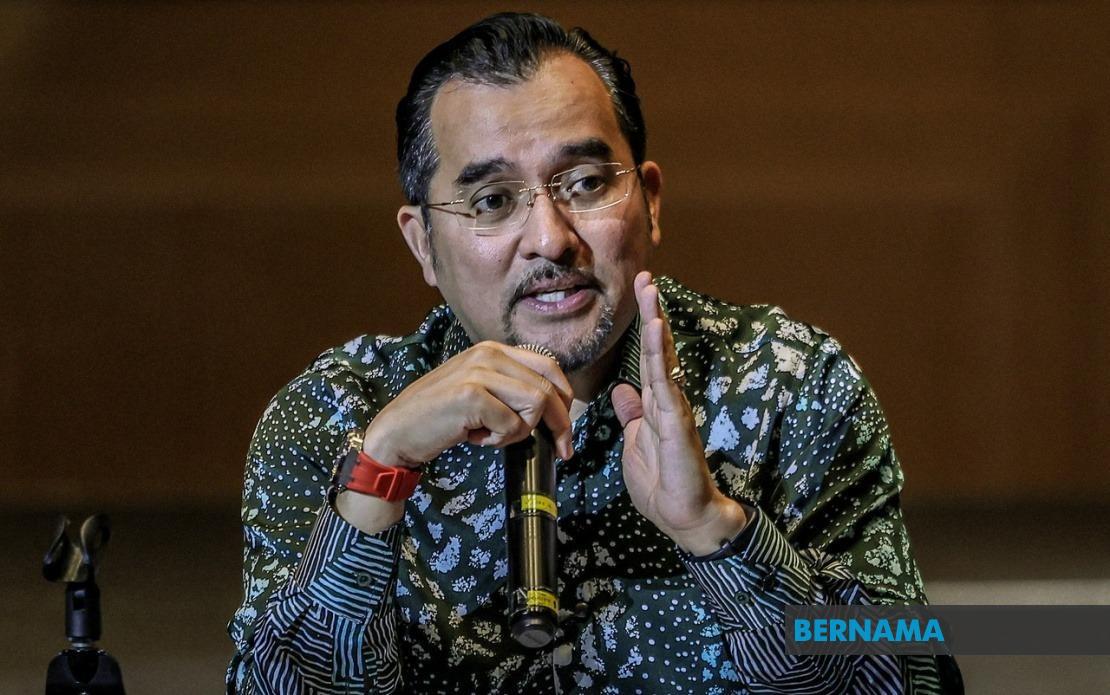
The governance architecture of Majlis Amanah Rakyat faces significant restructuring through the proposed MARA Bill 2026, which MARA chairman Datuk Dr Asyraf Wajdi Dusuki indicates will substantially reshape how Malaysia's premier Bumiputera development institution operates. In a statement released in mid-August, Asyraf Wajdi disclosed that approximately eighty percent of the Bill's provisions concentrate on corporate governance improvements designed to fortify institutional structures and management systems. The Cabinet has already endorsed the Bill in principle, positioning it for parliamentary introduction before the calendar year concludes, marking a watershed moment for an organisation responsible for safeguarding Malay and Bumiputera economic interests.
Historically, governance weaknesses at MARA have attracted public scrutiny and concern. The comprehensive reform agenda emerging through this legislation targets a troubling pattern of institutional vulnerabilities that have periodically surfaced. Asyraf Wajdi's initiative seeks to eliminate recurring problems including power abuse, management deficiencies, fund misappropriation, operational irregularities, financial leakages, and wasteful expenditure. These endemic challenges have occasionally threatened MARA's credibility and effectiveness in executing its core development mandate. The Bill represents an attempt to recalibrate institutional safeguards and embed accountability mechanisms that align with contemporary governance expectations and international best practices.
A particularly significant feature involves circumscribing the MARA chairman's authority. Under the existing MARA Act 1966, the chairman wielded expansive powers combining executive and strategic leadership. The proposed legislation will restrict the chairman's remit to Board or Council presiding duties and policy deliberation, fundamentally realigning the balance between executive authority and institutional oversight. This delineation reflects global governance trends emphasising the separation of executive function from supervisory responsibility. By narrowing the chairman's operational scope, the Bill aims to prevent power concentration and create clearer accountability lines within MARA's hierarchy.
The proposed Bill introduces several structural innovations absent from existing legislation. A formal "fit and proper" assessment framework will evaluate Board candidates before appointment, establishing minimum competency and ethical standards for governance participants. Term limitations for Board members will introduce cyclical renewal, reducing entrenchment and encouraging fresh perspectives. These mechanisms represent departure from older institutional practices and reflect modern corporate governance principles increasingly adopted across Southeast Asian government-linked companies and statutory bodies.
Financial and procurement governance receives particular emphasis in the Bill's framework. The legislation will strengthen financial controls and acquisition procedures to ensure compliance with both national regulatory standards and internationally-recognised best practices. This comprehensive tightening acknowledges that institutional failures frequently originate in inadequate financial supervision and procurement irregularities. By establishing robust financial governance protocols and transparent acquisition processes, MARA can reduce opportunities for mismanagement while enhancing public confidence in resource allocation decisions.
The Bill mandates the establishment of several specialist Board committees addressing distinct governance domains. An Audit Committee will oversee financial integrity and internal control effectiveness. An Investment Committee will scrutinise capital allocation and portfolio performance. A Finance and Governance Committee will integrate financial planning with institutional management. A Risk Committee will identify, analyse, and mitigate emerging threats to institutional objectives. This multi-committee architecture distributes governance responsibility across multiple specialised bodies, preventing excessive concentration of oversight authority and enabling deeper technical expertise within each domain. Most innovatively, a Syariah Committee will be established for the first time, ensuring MARA's operations remain aligned with Islamic principles—a significant development for an institution serving Malay-Muslim populations.
These institutional reforms build upon governance improvements initiated since Asyraf Wajdi's appointment in March 2023. Shortly after assuming the chairmanship, he established a special task force headed by Tan Sri Muhammad Ibrahim, the former Bank Negara Malaysia governor, to diagnose governance deficiencies and recommend remedial action. This task force undertook systematic institutional assessment and developed the conceptual foundation for comprehensive reform. Subsequent measures have strengthened financial discipline across MARA through enhanced budgetary controls, implemented forensic audits examining subsidiary performance and compliance, centralised internal audit operations for both MARA and MARA Corp to ensure consistent oversight standards, and restructured procurement divisions to eliminate bottlenecks and irregularities.
The implementation pathway has also included procedural innovations enhancing management transparency. MARA now produces monthly financial performance reports submitted directly to the Council, aligning reporting cycles with international institutional standards. This cadence enables rapid problem detection and management adjustment rather than relying on quarterly or annual reporting cycles that delay responsiveness. These reporting enhancements complement the structural reforms embedded in the proposed legislation, creating a comprehensive institutional modernisation spanning both reporting mechanics and governance architecture.
The proposed legislation comes as Malaysian government agencies increasingly face pressure to demonstrate transparency and accountability in resource stewardship. The 2026 timeframe for implementation provides adequate opportunity for institutional preparation and staff reorientation. For MARA's stakeholders—including Bumiputera entrepreneurs, beneficiary communities, and the broader Malaysian public—the Bill signals commitment to strengthening institutional performance and integrity. The emphasis on Syariah compliance also responds to ongoing expectations that faith-based principles should inform governance frameworks affecting Muslim-majority populations. Whether the Bill achieves its intended outcomes will depend substantially on implementation rigour and sustained commitment to enforcing new governance standards across MARA's sprawling institutional apparatus.
The governance framework emerging through the MARA Bill 2026 reflects broader institutional evolution across Southeast Asia's development agencies. As regional economies mature and governance expectations rise, statutory bodies managing significant national resources increasingly adopt robust oversight mechanisms. MARA's transformation illustrates how legacy institutions can modernise governance approaches while preserving core development mandates. For Malaysia, the Bill represents investment in institutional capacity and stakeholder confidence—essential foundations for effective Bumiputera advancement in coming decades. The legislation's success will reverberate beyond MARA itself, potentially influencing governance reforms across Malaysia's broader constellation of government-linked entities and statutory authorities.

