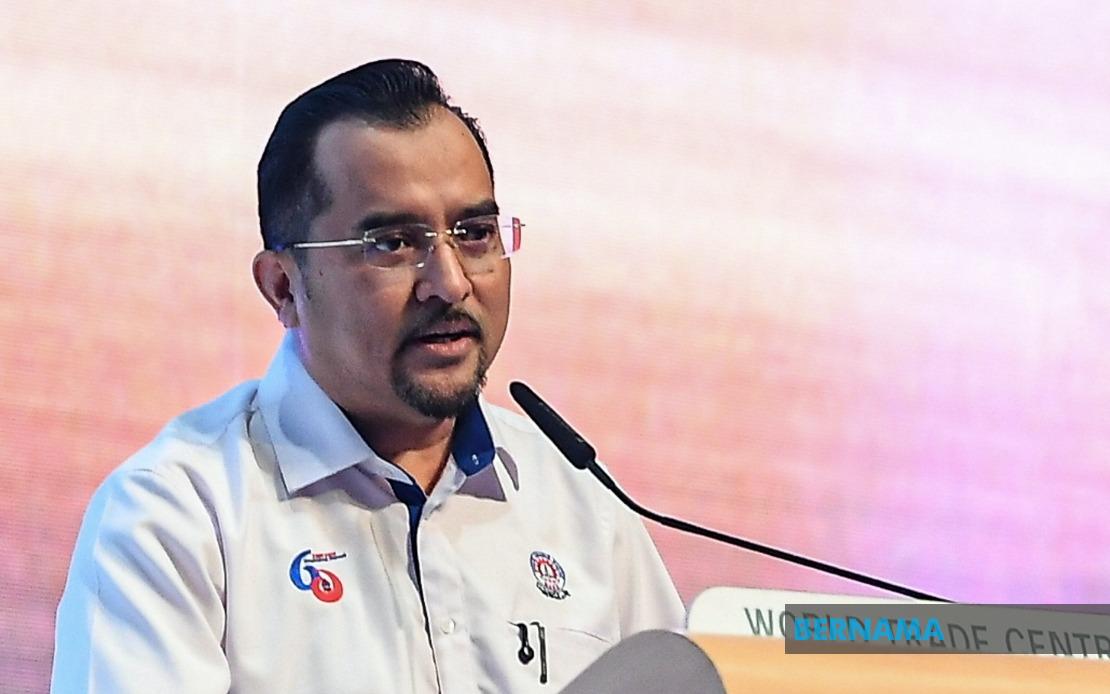
The MARA administration has declared it will expunge six Form Five students from its Johor MARA Junior Science College campus if investigations confirm their involvement in bullying a younger schoolmate, signalling a hardline stance on disciplinary matters within the elite boarding school network. The commitment comes after Datuk Asyraf Wajdi Dusuki, who chairs MARA, issued a forceful statement late on June 28, making clear that institutional tolerance for such behaviour has reached its end. The punitive approach underscores mounting pressure on Malaysia's premier educational institutions to demonstrate robust governance and safeguard student welfare amid growing public scrutiny of campus culture.
The incident centred on a 14-year-old student whose parents disclosed their distress on social media, explaining that their child had pleaded to withdraw from the institution after enduring sustained harassment from older students. The family's decision to air their grievance publicly appears to have catalysed official action, transforming a private familial crisis into a matter of institutional accountability and police inquiry. The parents subsequently lodged a formal complaint with law enforcement, resulting in the arrest and two-day remand of the six accused students as authorities gathered evidence. This sequence of events illustrates how parental activism and digital communication can compel institutional responses where formal channels might otherwise proceed sluggishly or discreetly.
Ashraf directed MARA's Secondary Education Division and the MRSM administration to assemble the College Disciplinary Committee within 24 hours to expedite proceedings and ensure swift investigative action. The urgency reflected in this directive suggests awareness that delays could amplify reputational damage and public mistrust. By establishing such an aggressive timeline, the MARA leadership attempted to demonstrate decisiveness and institutional seriousness about the allegations. The rapid convening of the disciplinary body was intended to signal that MARA takes its duty of care to students as a paramount concern, not merely a procedural obligation. This approach contrasts with historical patterns in Malaysian schools where disciplinary matters sometimes remained opaque or protracted.
The MARA Chairman's rhetoric employed the phrase "YOU TOUCH, YOU GO," a stark formulation meant to embed a clear cultural message throughout the MRSM community. By crystallising the institution's position into such memorable language, Asyraf sought to reshape student behaviour and expectations through repetition and clarity. His repeated assertions that bullying has no legitimacy and no place within MRSM boarding schools represented an attempt to delegitimise what may have previously been normalised or tolerated as part of informal senior-junior hierarchies common in residential educational settings across Southeast Asia. The uncompromising language foreclosed any possibility of mitigating arguments based on tradition, seniority, or character-building rationales sometimes invoked to defend hazing and bullying.
The case raises broader questions about institutional culture within Malaysia's selective boarding schools. MRSM colleges recruit high-performing students and maintain competitive academic environments where peer hierarchies can become entrenched. The residential nature of these institutions creates spaces where authority figures may have limited visibility into daily interpersonal dynamics, potentially enabling bullying to persist unchecked. The alleged incident suggests that despite institutional prestige and selective admissions, MRSM campuses are not immune to the toxic group behaviours that plague secondary schools globally. Understanding how and why bullying flourishes in such settings—whether through deliberate perpetuation of hazing traditions, failure of supervision, or peer pressure dynamics—remains essential for preventing recurrence.
Ashraf's statement also cautioned against cover-ups, warning that individuals who conceal or shield perpetrators would face MARA sanctions themselves. This multilayered accountability framework attempted to dismantle collective silence and peer protection networks that sometimes shield bullies from consequences. By making complicity culpable, the MARA leadership acknowledged that bullying typically depends on witnesses' tacit acceptance or active non-reporting. The warning implicitly recognised that bystanders and institutional enablers bear responsibility alongside direct perpetrators. Such messaging seeks to reshape the moral landscape within boarding communities where loyalty to peer groups might otherwise supersede institutional rules.
Simultaneously, Asyraf exhorted students to report bullying without delay to teachers, wardens, and administrators, and discouraged victims from simply withdrawing from school. This dual emphasis—holding institutions accountable while empowering students to seek help rather than flee—articulated a vision where MRSM remains a safe space if properly managed. The appeal for victims to stay and report reflected recognition that many students endure harassment silently, compounding psychological harm. By encouraging disclosure and promising protective responses, MARA attempted to position itself as trustworthy and responsive to student safety concerns. However, such appeals carry weight only if victims observe that reporting genuinely triggers protective action rather than retaliation or dismissal.
The incident's public dimension through social media has become characteristic of contemporary school governance in Malaysia. Parents increasingly bypass traditional institutional communication channels, opting instead to amplify concerns through digital platforms where narratives reach wider audiences and exert public pressure. This development challenges schools and regulatory bodies to be more transparent and responsive, as reputational risks now escalate rapidly. The MARA response, delivered through official statements and swift institutional action, reflects awareness that perceived inaction or opacity invites intensified scrutiny and erosion of public confidence. In this environment, institutions that respond slowly or defensively face sustained criticism and damage to their standing.
The case also highlights evolving standards regarding student conduct and institutional duty of care in Malaysian education. Whereas previous generations of boarding school students might have experienced hazing or bullying as normalised components of residential schooling, contemporary parents, regulators, and society increasingly reject such practices as harmful and unacceptable. This generational shift in attitudes has repositioned bullying from a regrettable but tolerable byproduct of institutional life to an actionable breach deserving severe consequences. MARA's emphatic stance reflects this broader reorientation, signalling to other educational institutions that tolerance for bullying is no longer viable from either a moral or reputational standpoint.
As the disciplinary process unfolds and police investigations proceed, the case will likely yield important precedents regarding institutional accountability within Malaysia's elite secondary school sector. If MARA follows through with expulsions for the convicted students, it will establish that serious consequences do follow substantiated bullying allegations, potentially deterring similar behaviour elsewhere. Conversely, if processes stall or verdicts prove lenient, institutional credibility could suffer substantially. The heightened visibility of this incident means that outcomes will be scrutinised closely by parents, educationalists, and observers concerned with school safety culture. How MARA executes its stated commitment to zero tolerance will determine whether the institution truly commits to protecting vulnerable students or merely manages public relations.

